Explore by category

Astronomy AR Experiences

Browse public AR experiences in Astronomy and open the ones that look interesting to you.

Subcategories

0

Experiences

33

Experiences

Open any experience that looks interesting and see how this section is used in practice.
Earth
legendary

Earth

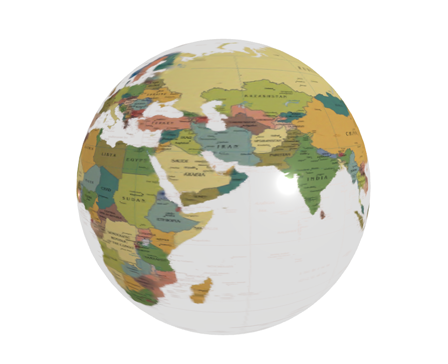
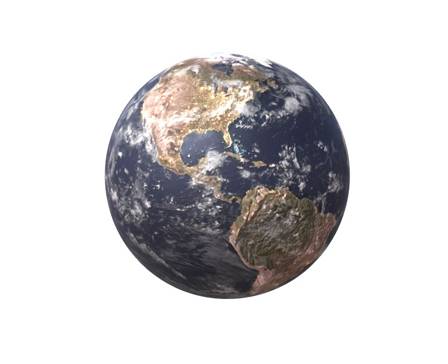
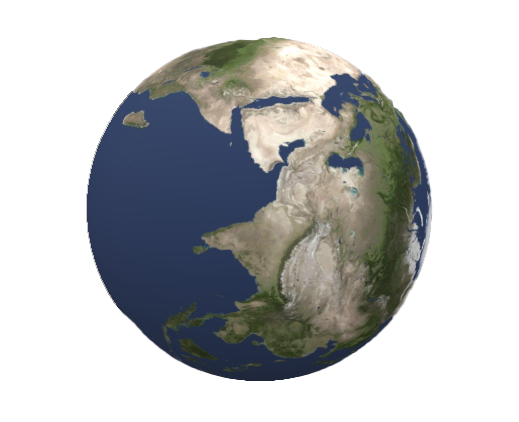
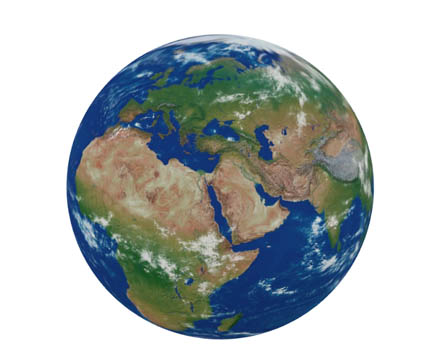
Earth, our home planet, is a vibrant and diverse world teeming with life. With its blue oceans, green landscapes, and vast ecosystems, it stands as a unique haven in the cosmos. From its moderate climate to its life-sustaining atmosphere, Earth provides a nurturing environment for a rich variety of organisms. As the birthplace of human civilization, it holds a special place in our hearts and fuels our curiosity for exploration and understanding. Let us cherish and protect this precious planet we call home.

View on ARLOOPA
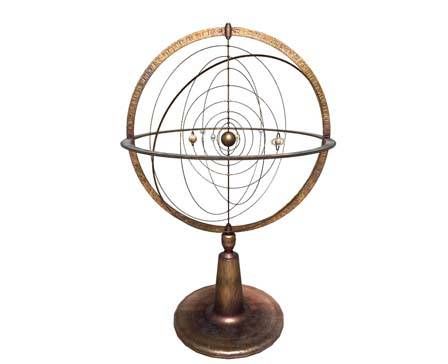
Armillary sphere
rare

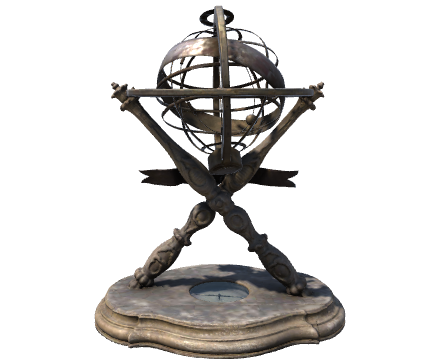
Armillary sphere

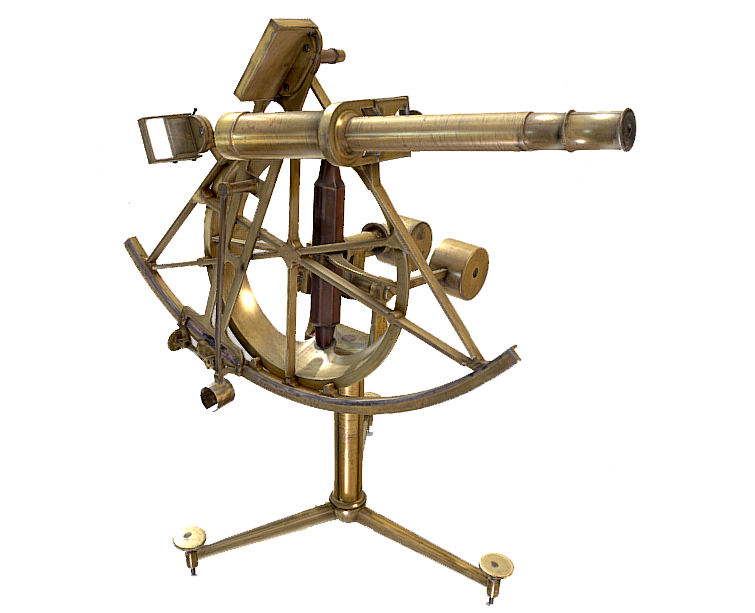
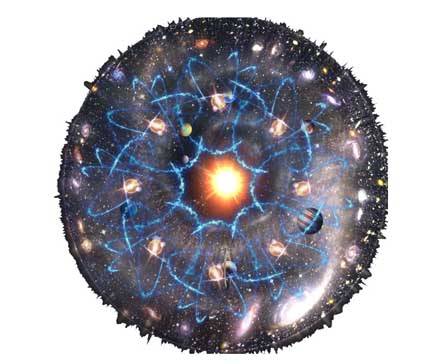
Full name: Armillary sphere by Franciszek Słupski (1771) An armillary sphere is an astronomical instrument, a model of the celestial sphere. It was used to demonstrate celestial phenomena and determine the time and equatorial and ecliptic coordinates. The armillary sphere enabled simulation of astronomical phenomena, including the movement of planets in relation to the Sun. It was made by Franciszek Słupski as part of his doctoral thesis defended at the Philosophy Department of the University of Kraków. For more images and further information, visit: https://muzea.malopolska.pl/en/objects-list/2792 Inventory number: 4307; 307/V Localisation of the physical object: Jagiellonian University Museum Collegium Maius, Kraków, Poland

View on ARLOOPA
Ozone Layer Depletion
epic

Ozone Layer Depletion

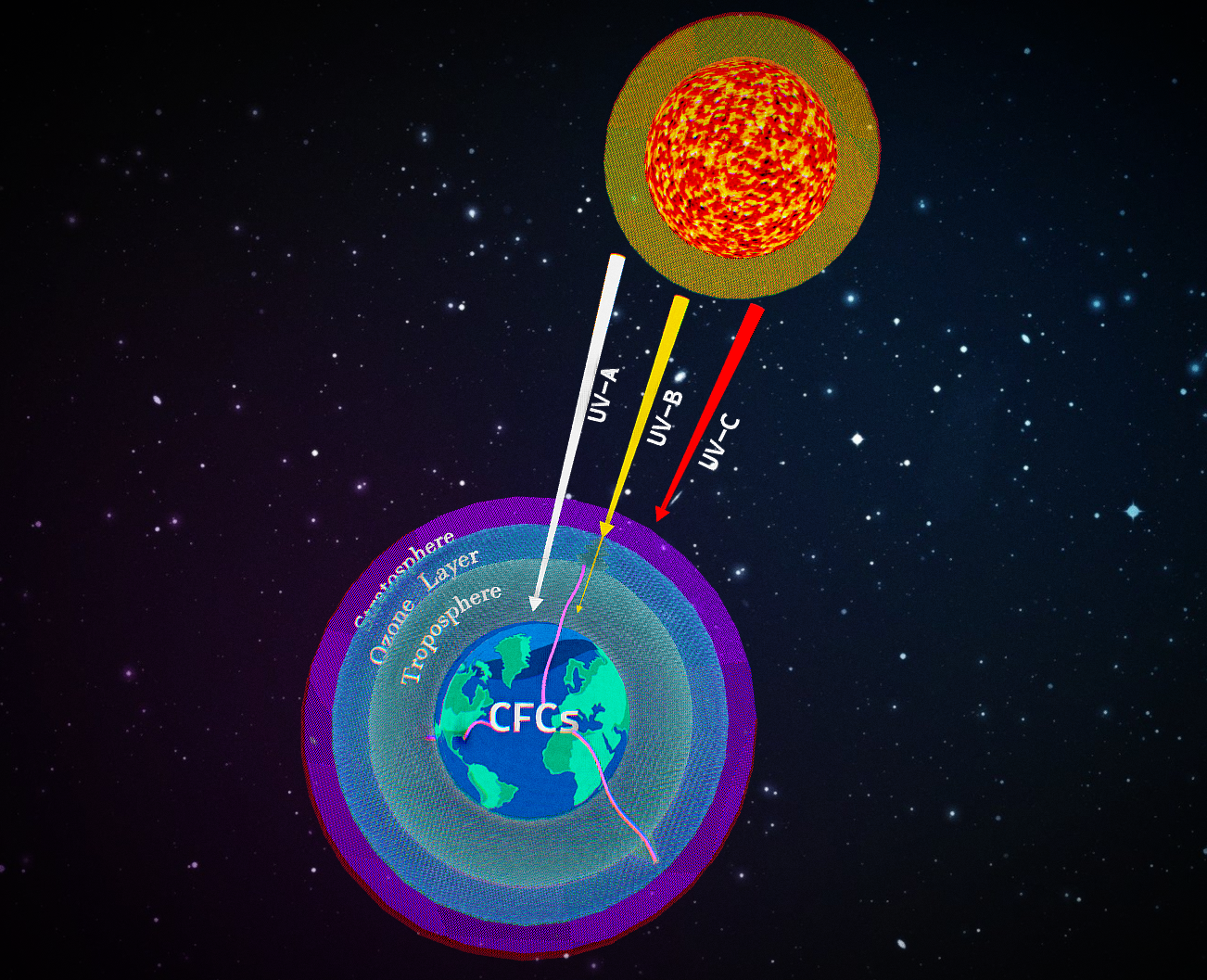
The ozone layer is a natural region of ozone gas found along 9-18 miles (15-30 km) above the earth’s surface called the stratosphere. It acts like sunscreen, protecting the planet from the sun’s harmful ultraviolet (UV) radiation. Ozone depletion is defined as the gradual thinning of the ozone layer present in the lower portion of the earth’s stratosphere.

View on ARLOOPA
Layers of the Sun
epic

Layers of the Sun

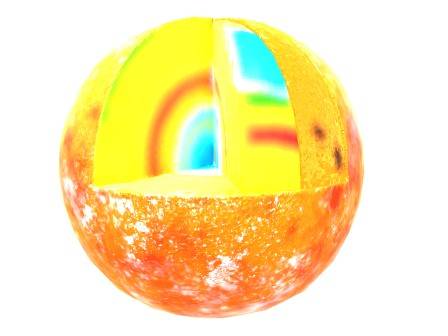
The structure of the sun is made up of four layers. At the very center is the dense, hot core. Around the core lie two layers: a thick layer called the radiative zone and a thinner, cooler layer called the convective zone. Surrounding all of them is the sun's surface layer, known as the photosphere.

View on ARLOOPA
Lunar Phases
legendary

Lunar Phases

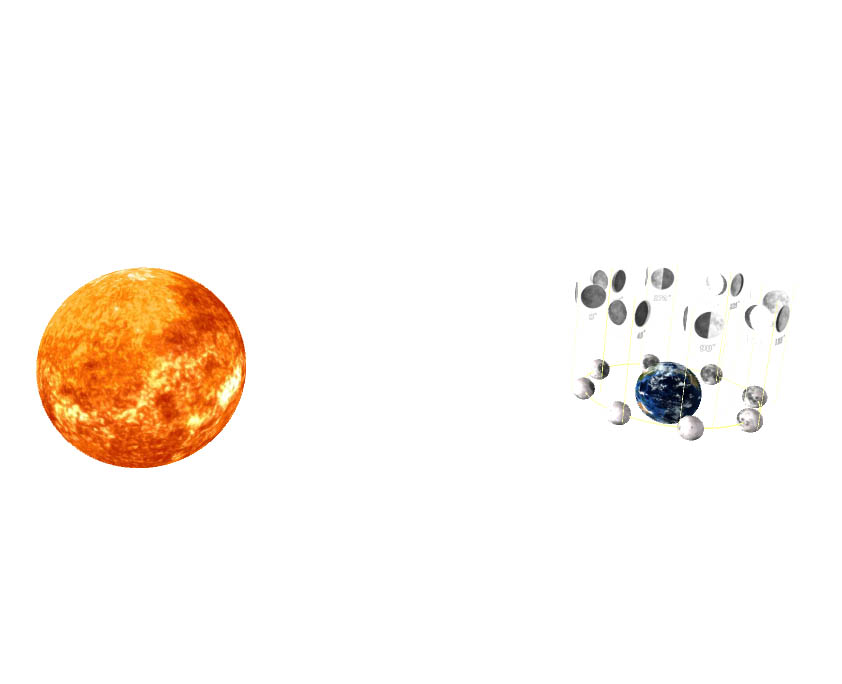
The eight Moon phases: New: We cannot see the Moon when it is a new moon. Waxing Crescent: In the Northern Hemisphere, we see the waxing crescent phase as a thin crescent of light on the right. First Quarter: We see the first quarter phase as a half moon. Waxing Gibbous: The waxing gibbous phase is between a half moon and full moon. Waxing means it is getting bigger. Full: We can see the Moon completely illuminated during full moons. Waning Gibbous: The waning gibbous phase is between a half moon and full moon. Waning means it is getting smaller. Third Quarter: We see the third quarter moon as a half moon, too. It is the opposite half as illuminated in the first quarter moon.

View on ARLOOPA
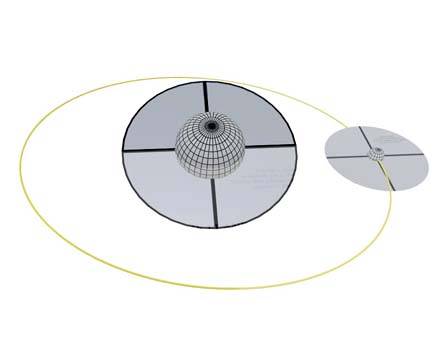
Earth - Moon orbits system by SebastianSosnowski
epic

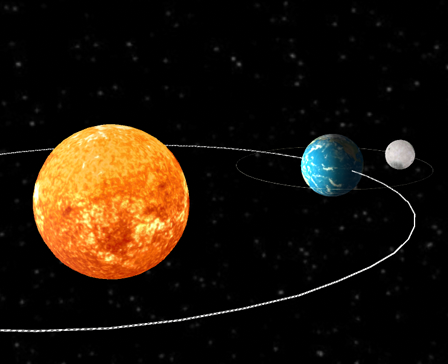
Earth - Moon orbits system by SebastianSosnowski

SebastianSosnowski

View on ARLOOPA
Venus
rare

Venus

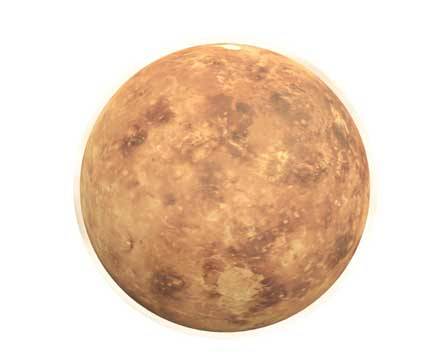
Venus, the second planet from the Sun, is Earth's closest neighbor. It has a thick atmosphere, primarily composed of carbon dioxide, creating a greenhouse effect that makes it the hottest planet in our solar system. Venus is known for its rocky surface, rugged terrain, and volcanic activity. Its retrograde rotation and longer day than year make it unique among the planets. Ongoing research and exploration missions aim to unravel the mysteries of Venus and shed light on its atmospheric conditions and geological features.

View on ARLOOPA
Uranus
legendary

Uranus

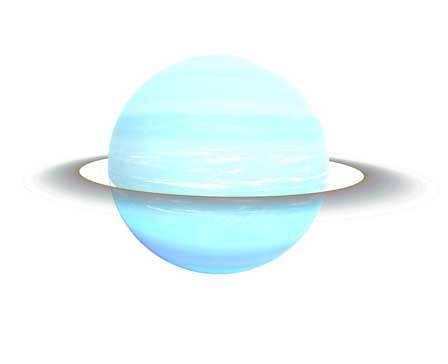
Uranus, the seventh planet from the Sun, is a captivating ice giant in our solar system. With its distinct blue-green appearance and sideways rotation, Uranus stands out among the planets. It boasts a complex atmosphere rich in methane and is orbited by a collection of moons and a subtle ring system. Although limited in exploration, ongoing research aims to unravel the mysteries of this distant planet and deepen our understanding of its unique features. Uranus remains a fascinating celestial body that continues to pique the curiosity of scientists and stargazers alike.

View on ARLOOPA
Neptune
rare

Neptune

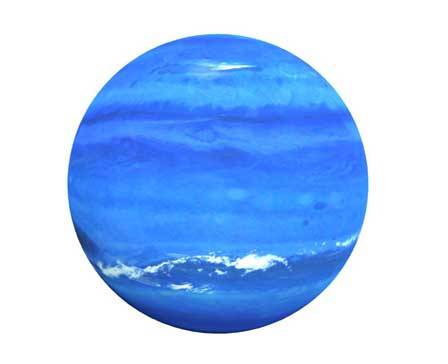
Neptune, the eighth planet from the Sun, is a captivating ice giant known for its stunning deep blue color and dynamic weather patterns. With its faint rings and a collection of moons, including Triton, Neptune remains a fascinating destination for exploration. Ongoing research aims to uncover more about this distant planet and enhance our understanding of the outer reaches of our solar system.

View on ARLOOPA
Mercury
rare

Mercury

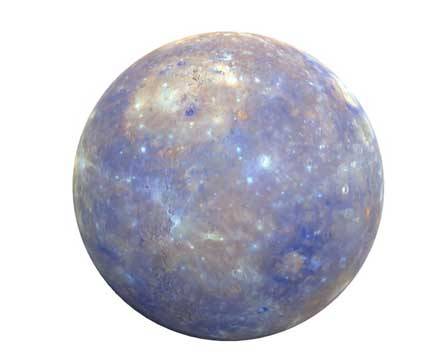
Mercury, the closest planet to the Sun, is a small and rocky world with a harsh environment. Known for its extreme temperatures and lack of atmosphere, Mercury features a heavily cratered surface reminiscent of the Moon. Its dense core sets it apart from other rocky planets. Although challenging to explore, studying Mercury provides valuable insights into the formation and evolution of planets in our solar system.

View on ARLOOPA
Mars
rare

Mars

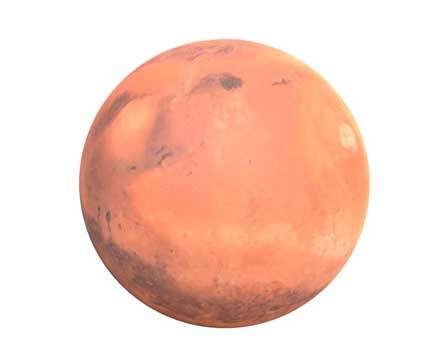
Mars, the fourth planet from the Sun, is a captivating world known for its distinct reddish hue. With its rugged landscape featuring towering volcanoes, deep valleys, and polar ice caps, Mars has long been a subject of fascination and exploration. Scientists study Mars to unravel its geological history, understand its potential for habitability, and pave the way for future human missions to this neighboring planet.

View on ARLOOPA
Earth
legendary

Earth

Earth, our home planet, is a vibrant and diverse world teeming with life. With its blue oceans, green landscapes, and vast ecosystems, it stands as a unique haven in the cosmos. From its moderate climate to its life-sustaining atmosphere, Earth provides a nurturing environment for a rich variety of organisms. As the birthplace of human civilization, it holds a special place in our hearts and fuels our curiosity for exploration and understanding. Let us cherish and protect this precious planet we call home.

View on ARLOOPA
Black hole by rubykamen
legendary

Black hole by rubykamen

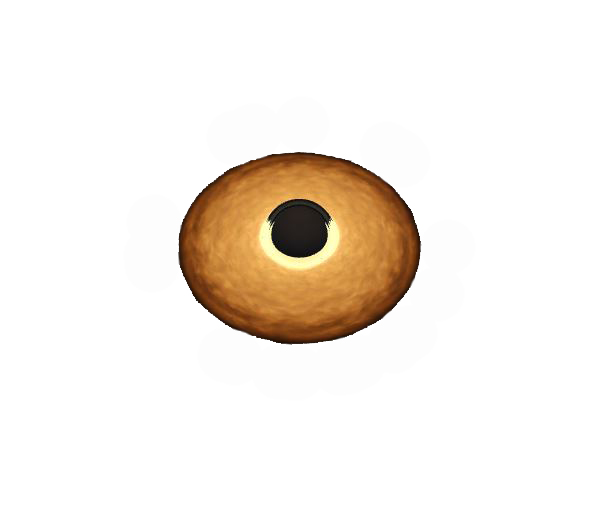
A black hole is a cosmic phenomenon with intense gravitational forces that prevent anything, including light, from escaping its grasp. Formed from collapsed massive stars, black holes have a compact core called a singularity surrounded by an event horizon. They come in various sizes, and their immense gravity distorts spacetime. Although they can't be directly observed, scientists study their effects on surrounding matter and their role in the evolution of galaxies. Black holes continue to fascinate and challenge our understanding of the universe.

View on ARLOOPA
Binary star system with atmospheric mass flow by SebastianSosnowski
legendary

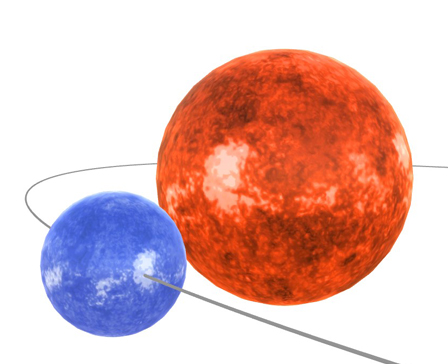
Binary star system with atmospheric mass flow by SebastianSosnowski

View on ARLOOPA
Galaxy by 991519166
legendary

Galaxy by 991519166

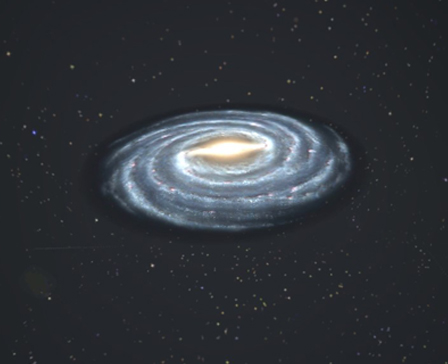
A galaxy is a vast system of stars, gas, and dust held together by gravity. They come in different shapes and sizes and contain billions or even trillions of stars. Galaxies interact and evolve over time, offering insights into the history and structure of the universe. Studying galaxies helps us understand the immense scale and beauty of our cosmos.

View on ARLOOPA
Jupiter by  Mieke Roth
legendary

Jupiter by Mieke Roth

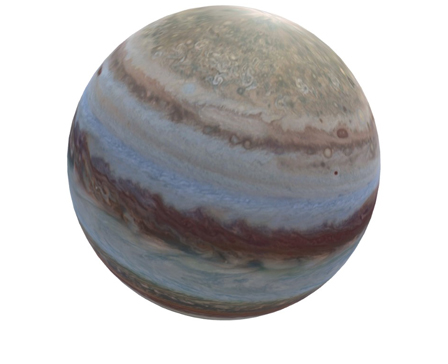
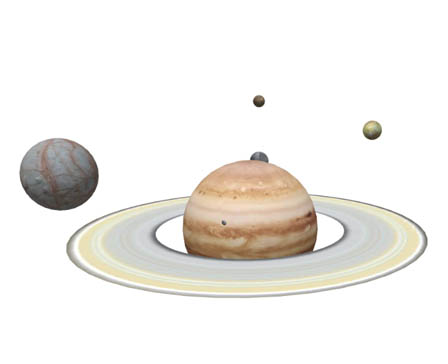
Jupiter, the largest planet in our solar system, is a magnificent gas giant with awe-inspiring features. Known for its vibrant bands of swirling clouds and its iconic Great Red Spot—a colossal storm—Jupiter is a captivating sight in the night sky. Its immense size could encompass all the other planets combined, and its powerful gravitational pull influences the orbits of neighboring celestial bodies. Jupiter is also a prolific producer of moons, with dozens of known satellites orbiting around it. Exploring Jupiter provides valuable insights into the dynamics of gas giants and the formation of our solar system.

View on ARLOOPA
Moon by AD&D 4D
legendary

Moon by AD&D 4D

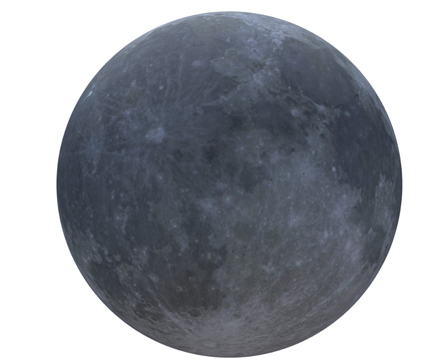
The Moon, Earth's companion in space, is a mesmerizing celestial body. With its enchanting silvery glow, it has fascinated humanity for centuries. As Earth's only natural satellite, the Moon influences our tides and adds a sense of wonder to our night sky. It has been a subject of exploration and research, allowing us to deepen our understanding of our own planet and the broader universe. The Moon stands as a constant reminder of the vastness and beauty of space, captivating us with its serene presence.

View on ARLOOPA
Saturn
legendary

Saturn

Saturn, the sixth planet from the Sun, is a captivating gas giant known for its stunning ring system. With its distinctive golden hue and majestic appearance, Saturn is a celestial wonder that has intrigued scientists and stargazers alike. Its mesmerizing rings, made up of icy particles, set it apart from all other planets in our solar system. Exploration missions have revealed fascinating insights about Saturn's composition, atmosphere, and intriguing moons.

View on ARLOOPA

ARLOOPA Studio

Create your own AR experience
Use ARLOOPA Studio to build and publish a similar experience for your campaign, venue, product, or audience.

ARLOOPA Inc. 2026