Esplora per categoria

Chimica Esperienze AR

Sfoglia le esperienze AR pubbliche in Chimica e apri le esperienze che ti sembrano più interessanti.

Sottocategorie

0

Esperienze

39

Esperienze

Apri qualsiasi esperienza interessante e osserva come questo formato viene usato nella pratica.
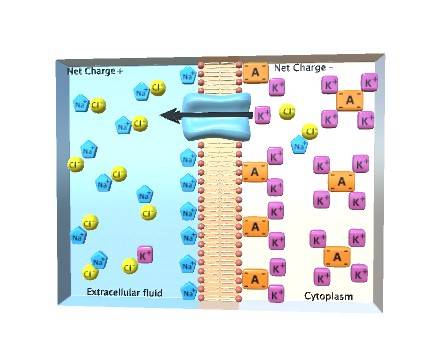
Electrochemical Gradient
rare

Electrochemical Gradient

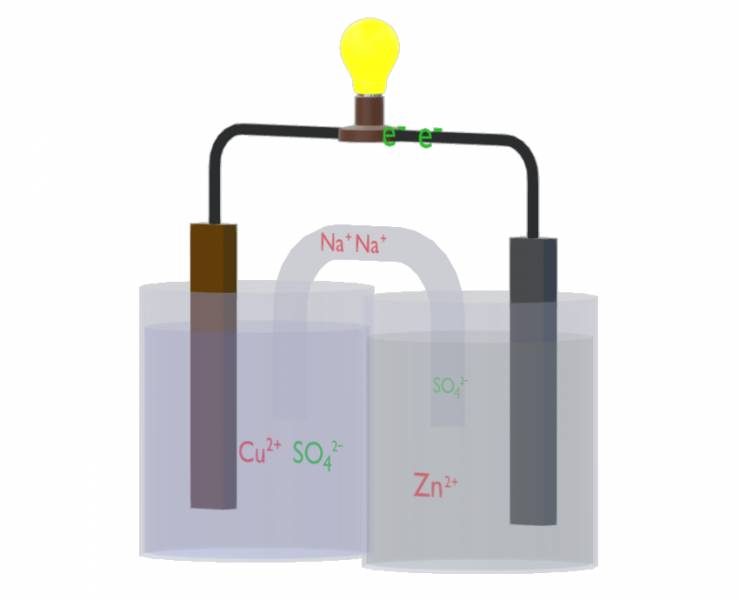
An electrochemical gradient is the combined difference in ion concentration and charge across a membrane. It powers essential cellular processes like ATP production, nerve impulse transmission, and ion transport, maintaining cell function and energy balance.

Vedi su ARLOOPA
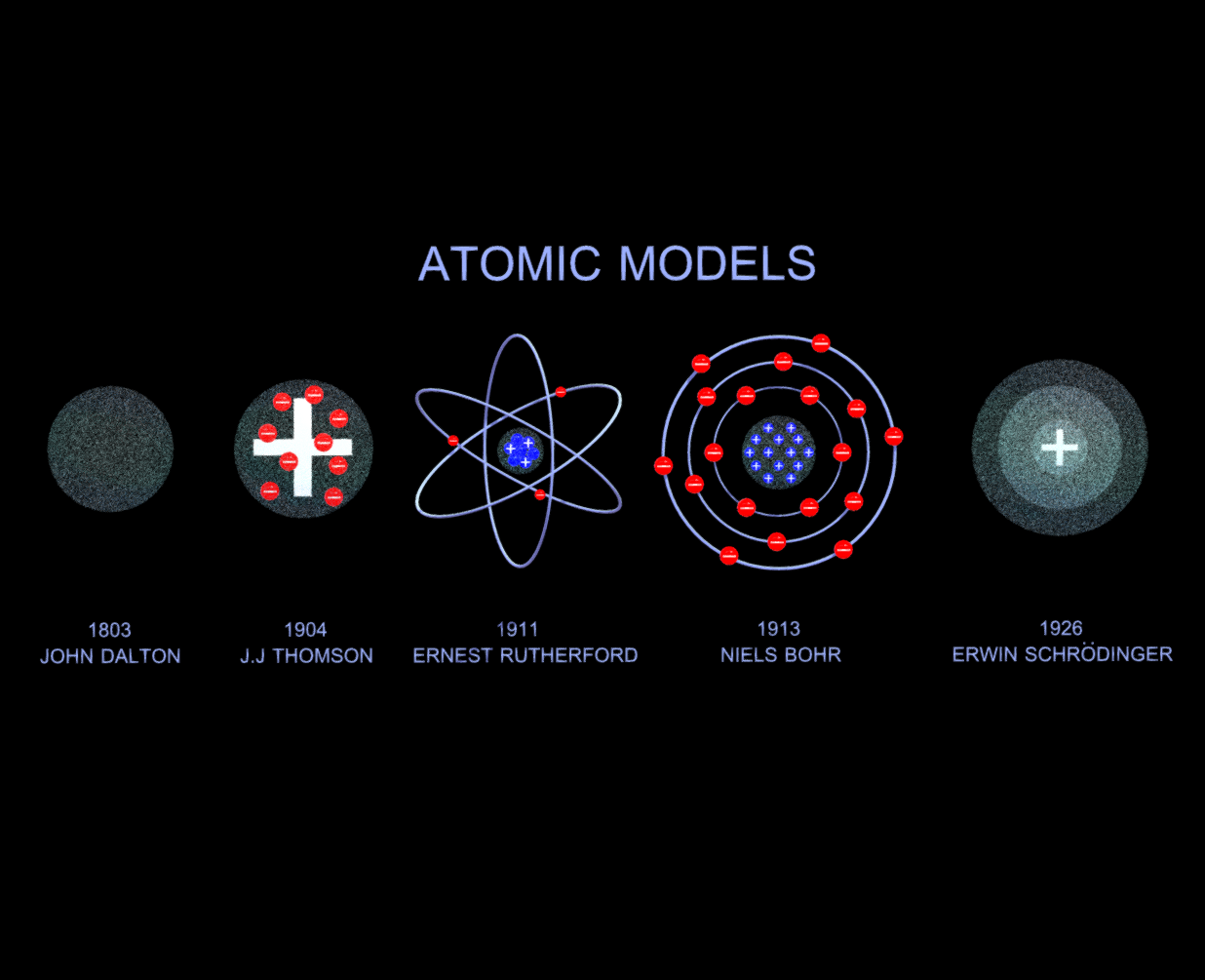
Atomic Models
rare

Atomic Models

Atomic models are theoretical representations of the structure of an atom. Key models include: Dalton’s Model: Atoms are solid, indivisible spheres. Thomson’s Model: The “plum pudding” model, where electrons are embedded in a positively charged sphere. Rutherford’s Model: Atoms have a small, dense, positively charged nucleus, with electrons orbiting around it. Bohr’s Model: Electrons orbit the nucleus in fixed energy levels or shells. Erwin Schrödinger Model: Electrons exist in probability clouds called orbitals, without definite paths, and their positions are described by quantum mechanics.

Vedi su ARLOOPA
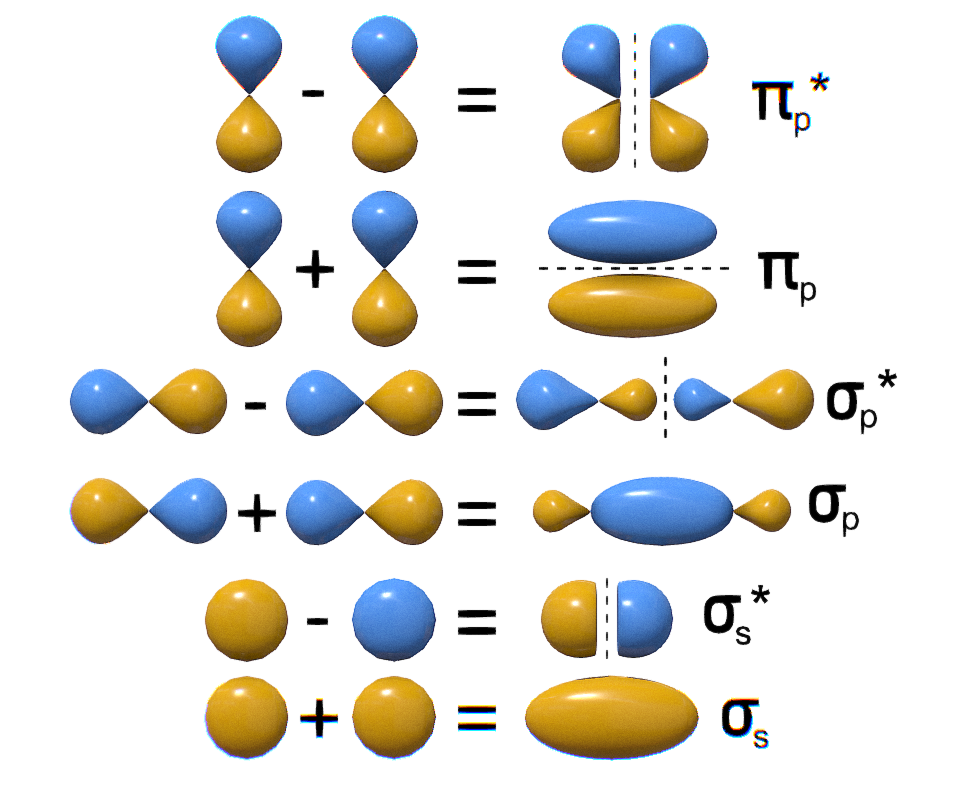
Molecular Orbital Theory
rare

Molecular Orbital Theory

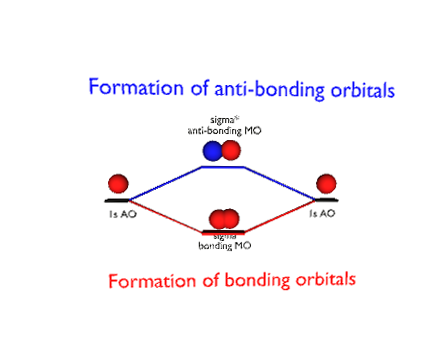
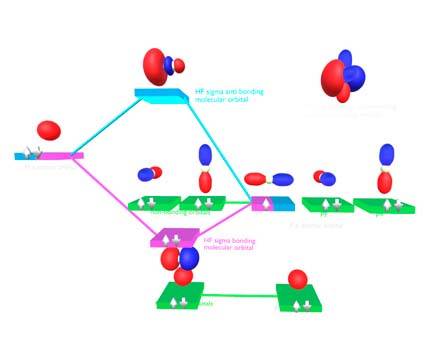
Molecular Orbital Theory is a method in chemistry for describing the electronic structure of molecules. It posits that atomic orbitals combine to form molecular orbitals, which are spread over the entire molecule and can be occupied by electrons. These molecular orbitals are classified as bonding, antibonding, or non-bonding, influencing the stability and properties of the molecule. The theory helps explain molecular bonding, the arrangement of electrons, and predicts the magnetic and spectral properties of molecules, providing a more comprehensive understanding than earlier models like Valence Bond Theory.

Vedi su ARLOOPA
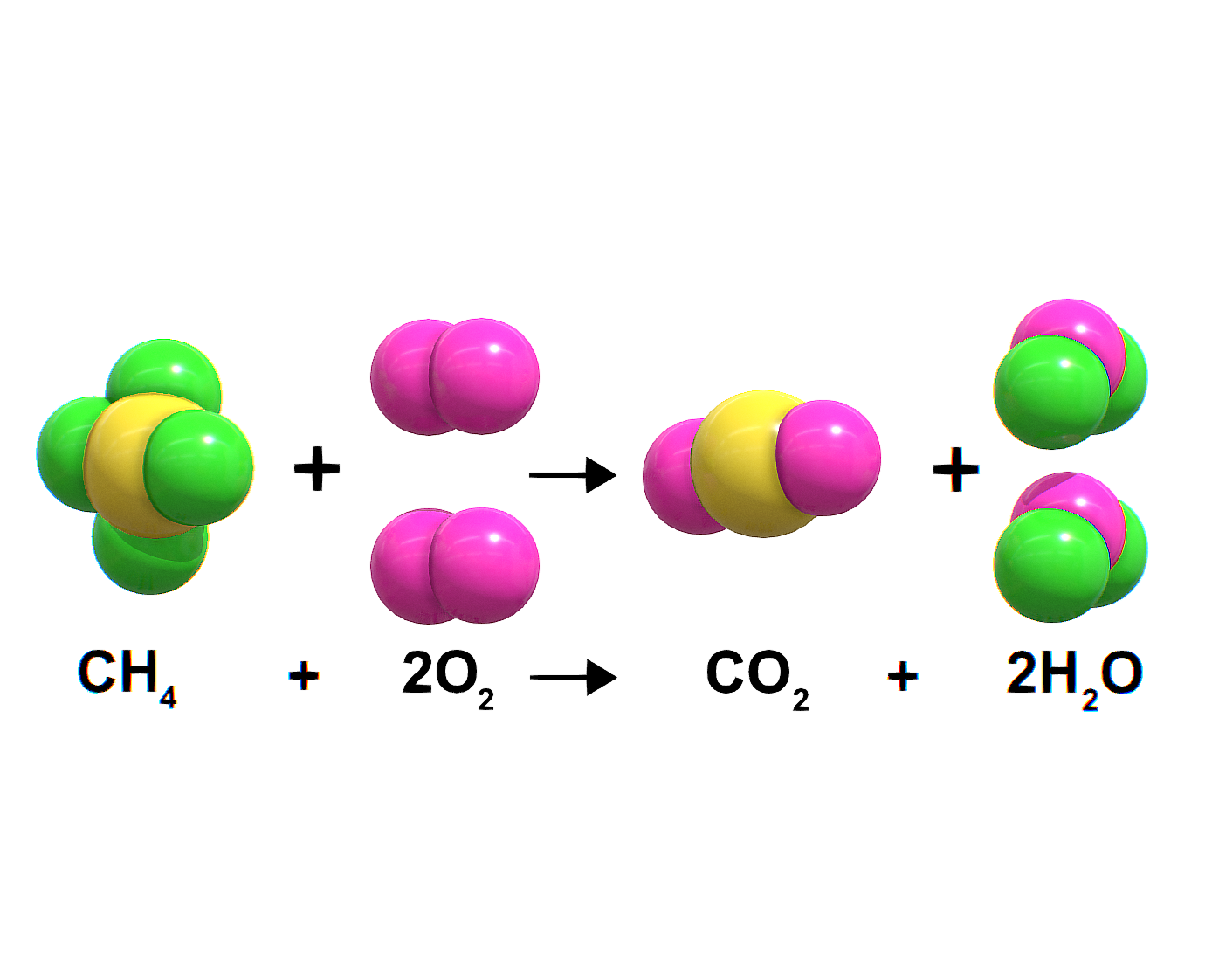
Chemical reaction
rare

Chemical reaction

Chemical reactions involve the transformation of substances through the breaking and forming of chemical bonds, resulting in the creation of new products. These reactions are fundamental to all biological processes and occur when reactants interact to produce one or more different substances, often accompanied by energy changes. They are essential in various fields, including chemistry, biology, medicine, and industry, driving processes like metabolism, combustion, and synthesis.

Vedi su ARLOOPA
The pH scale measures H+ in a solution
rare

The pH scale measures H+ in a solution

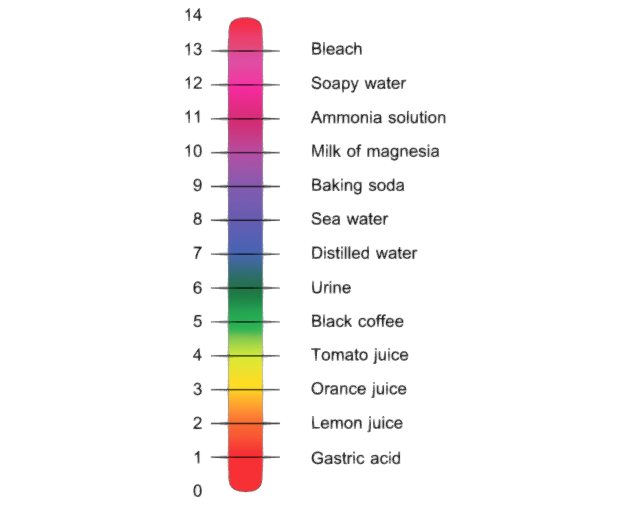
The pH scale measures the concentration of hydrogen ions (H⁺) in a solution, indicating its acidity or alkalinity. Ranging from 0 to 14, a pH of 7 is neutral, values below 7 are acidic, and values above 7 are basic (alkaline). Lower pH values correspond to higher H⁺ concentration, while higher pH values correspond to lower H⁺ concentration.

Vedi su ARLOOPA
The polarity of water
rare

The polarity of water

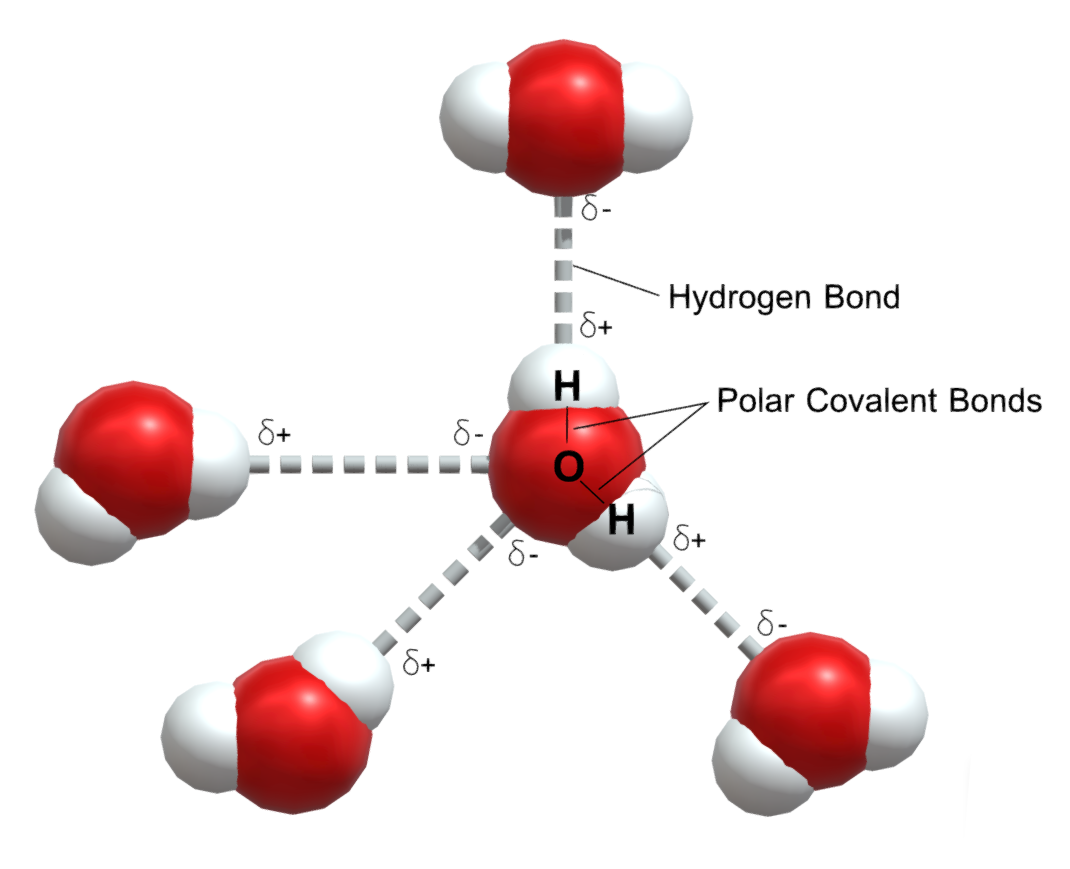
Water (H₂O) is a polar molecule because it has a bent shape and an unequal distribution of electrons. Oxygen is more electronegative than hydrogen, causing the electrons to be more concentrated around the oxygen atom. This results in a partial negative charge on the oxygen and partial positive charges on the hydrogen atoms, creating a dipole moment. This polarity allows water to form hydrogen bonds and dissolve many substances, making it a versatile solvent.

Vedi su ARLOOPA
Polar and nonpolar covalent bonds
rare

Polar and nonpolar covalent bonds

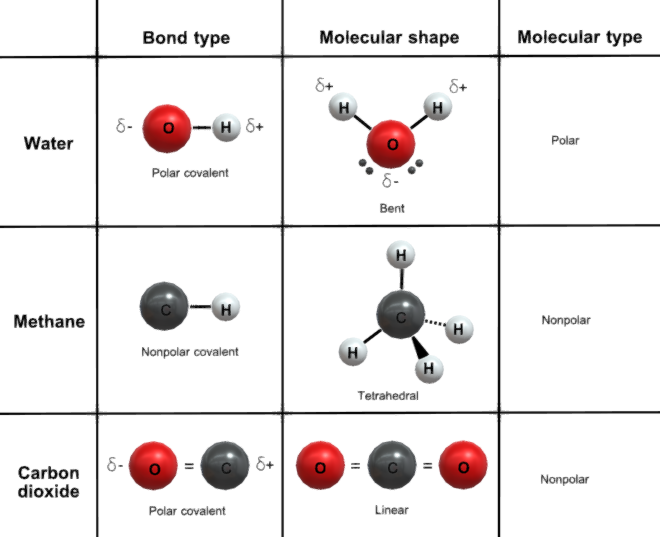
Polar covalent bonds involve unequal sharing of electrons between atoms due to different electronegativities, creating partial charges. Example: water (H₂O). Nonpolar covalent bonds involve equal sharing of electrons between atoms with similar electronegativities, resulting in no charge separation. Examples: nitrogen (N₂), methane (CH₄).

Vedi su ARLOOPA
Weak vs Strong acid
rare

Weak vs Strong acid

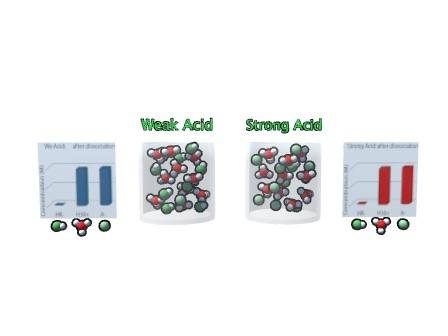
A strong acid is an acid which is completely ionized in an aqueous solution. Hydrogen chloride (HCl) ionizes completely into hydrogen ions and chloride ions in water. A weak acid is an acid that ionizes only slightly in an aqueous solution. Acetic acid (found in vinegar) is a very common weak acid.

Vedi su ARLOOPA
Geometry Metal Complexes
rare

Geometry Metal Complexes

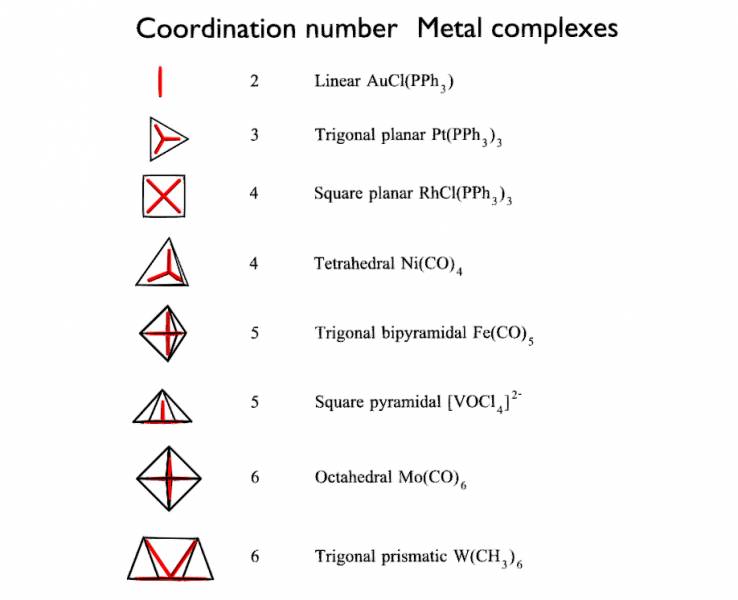
In coordination chemistry, the coordination number is the number of ligands attached to the central ion (more specifically, the number of donor atoms). Coordination numbers are normally between two and nine. The number of bonds depends on the size, charge, and electron configuration of the metal ion and the ligands. Different ligand structural arrangements result from the coordination number. Most structures follow the pattern as if the central atom were in the middle and the corners of that shape are the locations of the ligands. These shapes are defined by orbital overlap between ligand and metal orbitals and ligand-ligand repulsions, which tend to lead to certain regular geometries. However, there are many cases that deviate from regular geometry.

Vedi su ARLOOPA
Sodium Chloride
rare

Sodium Chloride

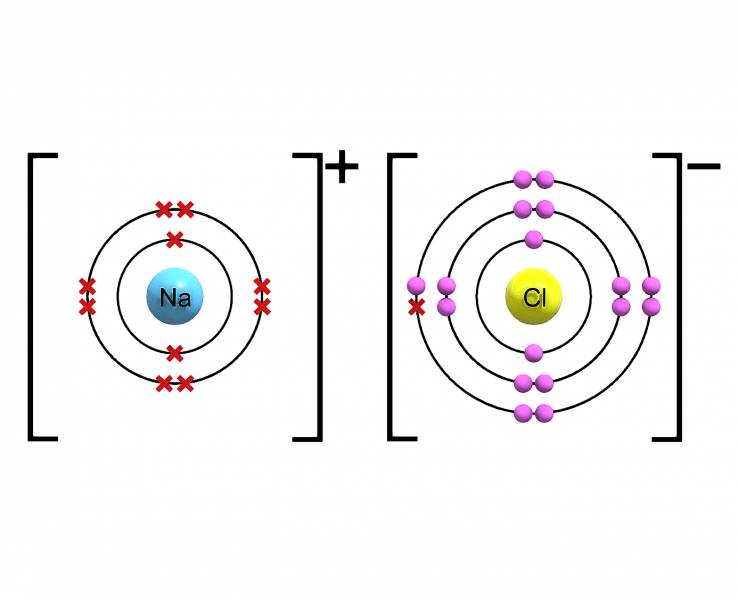
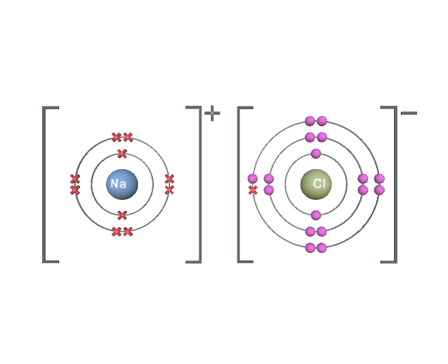
Sodium chloride commonly known as salt , is an ionic compound with the chemical formula NaCl, representing a 1:1 ratio of sodium and chloride ions. Sodium chloride is the salt most responsible for the salinity of seawater and of the extracellular fluid of many multicellular organisms. In its edible form, salt is commonly used as a condiment and food preservative. Large quantities of sodium chloride are used in many industrial processes, and it is a major source of sodium and chlorine compounds used as feedstocks for further chemical syntheses. Another major application of sodium chloride is de-icing of roadways in sub-freezing weather. Salt is used, directly or indirectly, in the production of many chemicals, which consume most of the world’s production.

Vedi su ARLOOPA
Facilitated Diffusion
common

Facilitated Diffusion

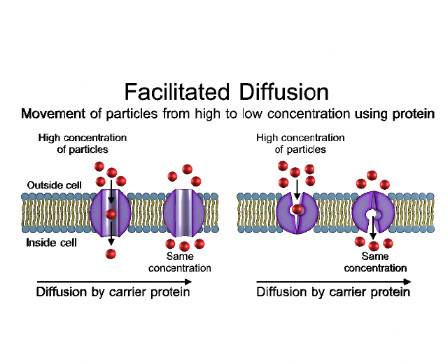
Facilitated diffusion is the diffusion of solutes through transport proteins in the plasma membrane. Facilitated diffusion is a type of passive transport. Even though facilitated diffusion involves transport proteins, it is still passive transport because the solute is moving down the concentration gradient.

Vedi su ARLOOPA
Periodic table
rare

Periodic table

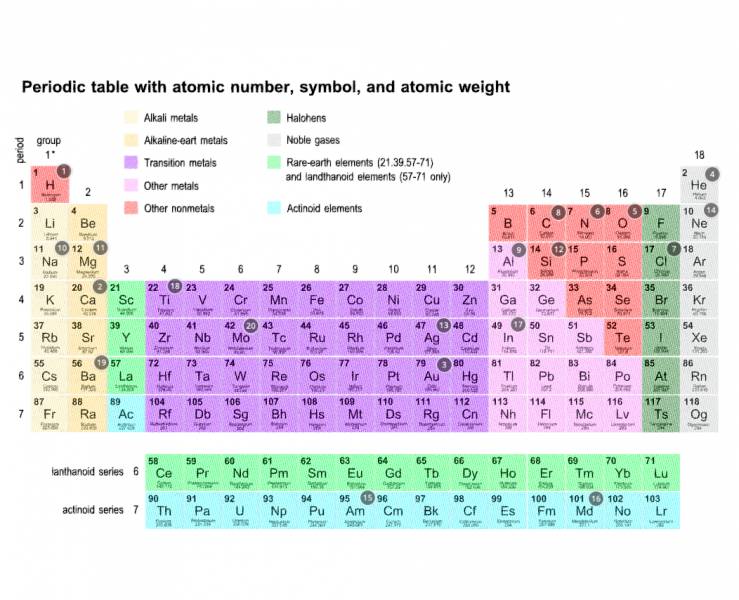
A table of the chemical elements arranged in order of atomic number, usually in rows, so that elements with similar atomic structure (and hence similar chemical properties) appear in vertical columns.

Vedi su ARLOOPA
Vitamin A
rare

Vitamin A

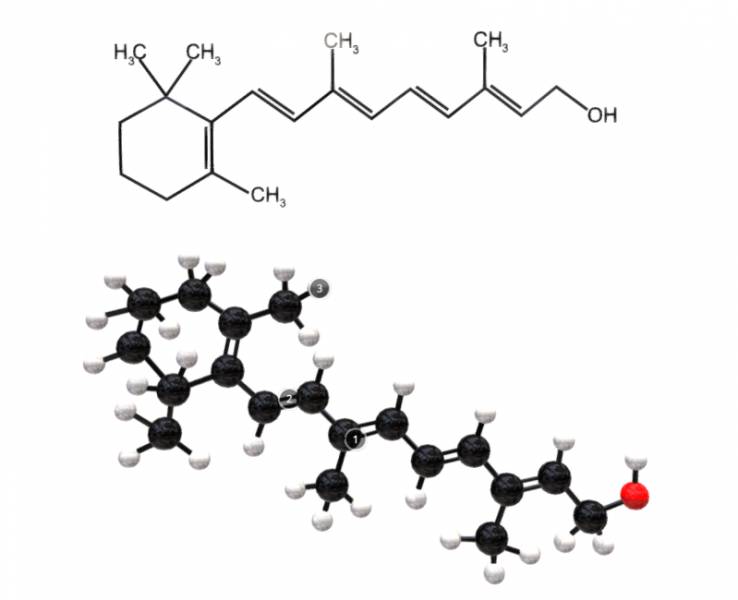
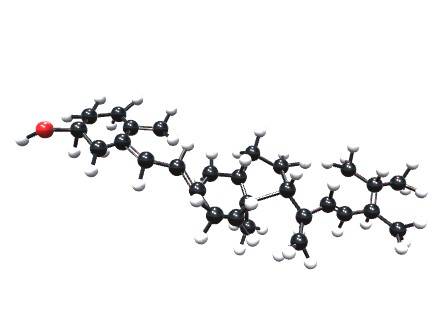
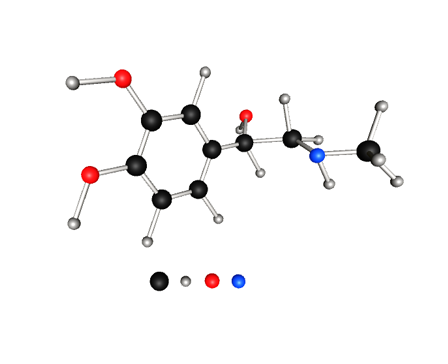
Vitamin A is required for healthy skin and mucus membranes, and for night vision. Its absence from diet leads to a loss in weight and failure of growth in young animals, to the eye diseases; xerophthalmia, and night blindness, and to a general susceptibility to infections. Vitamin A is structurally related to carotene. Carotene is converted into vitamin A in the liver, two molecules of vitamin A are formed from on molecule of beta carotene, hence good sources of carotene, such as green vegetables are good potential sources of vitamin A. Vitamin A is manufactured by extraction from fish-liver oil and by synthesis from beta-ionone.

Vedi su ARLOOPA
Vitamin B1
rare

Vitamin B1

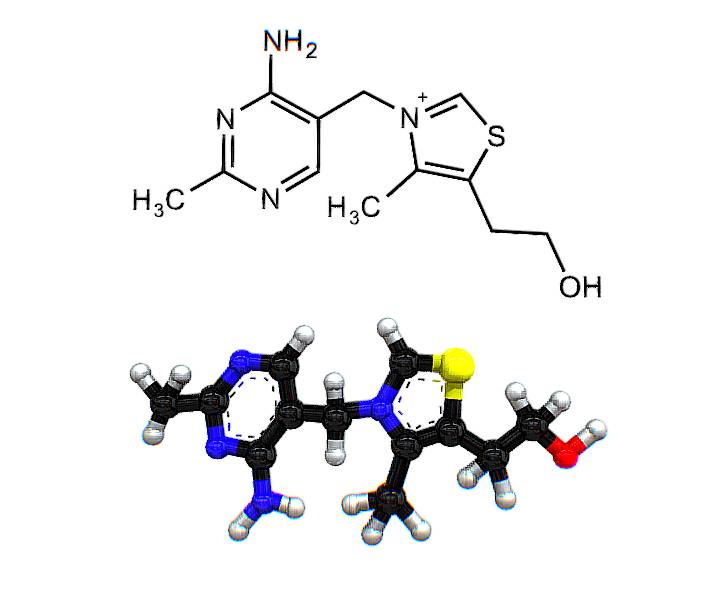
Vitamin B1, thiamin, or thiamine, enables the body to use carbohydrates as energy. It is essential for glucose metabolism, and it plays a key role in nerve, muscle, and heart function. Vitamin B1 is a water-soluble vitamin, as are all vitamins of the B complex. Because thiamin is involved in several basic cell functions and the breakdown of nutrients for energy, a deficiency can lead to various problems in the brain and heart that require a constant supply of energy.

Vedi su ARLOOPA
Vitamin D2
rare

Vitamin D2

Vitamin D2 helps the body absorb and use calcium and phosphate, substances that are the building blocks of bones and important to many other processes in the body, particularly the nervous system. Vitamin D is used to treat and prevent bone disorders (such as rickets, osteomalacia). It is made by the body when skin is exposed to sunlight.

Vedi su ARLOOPA
Electron Density Distribution of Ethyne Molecule Triple Bond
rare

Electron Density Distribution of Ethyne Molecule Triple Bond

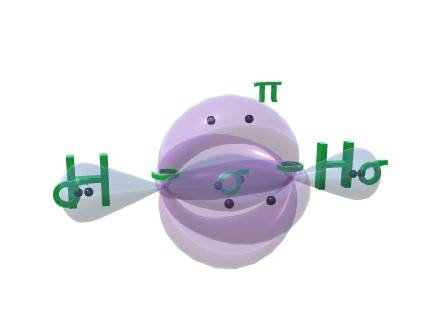
The ethyne molecule features a triple bond between two carbon atoms, each of which is singly bonded to one other hydrogen atom. It can be noted that all four atoms align in a straight line with bond angles of approximately 180o.

Vedi su ARLOOPA
Electron Density Distribution of Ethene Molecule Double Bond
rare

Electron Density Distribution of Ethene Molecule Double Bond

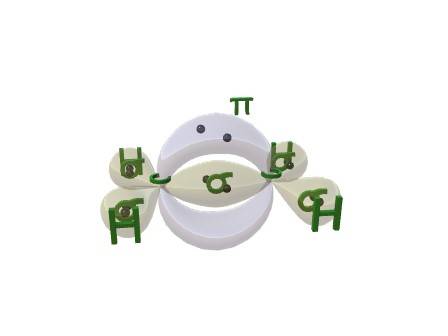
In ethene, each carbon is surrounded by three centers of electron density - note that the double bond counts as a single center of electron density.

Vedi su ARLOOPA
D-Glucose
rare

D-Glucose

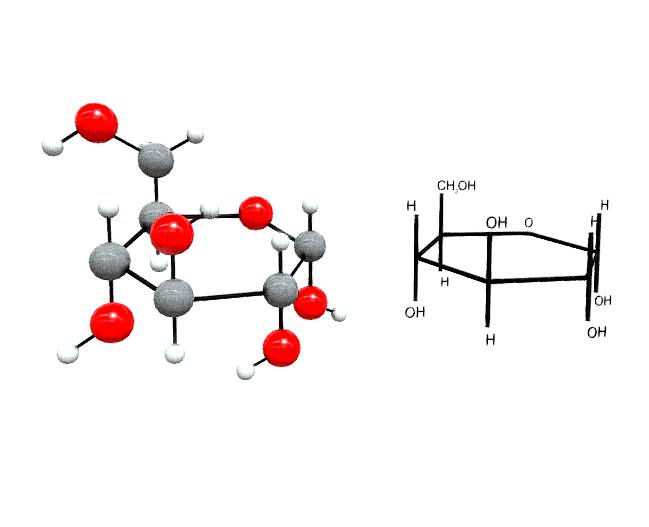
Glucose is a simple sugar with the molecular formula C6H12O6. D-Glucose is the most common naturally occurring simple sugar and is a building block for disaccharides sucrose and lactose and higher oligo- and polysaccharides. It is the only sugar unit in cellulose and starch. Glucose is mainly made by plants and most algae during photosynthesis from water and carbon dioxide, using energy from sunlight, where it is used to make cellulose in cell walls, the most abundant carbohydrate in the world.

Vedi su ARLOOPA
Vitamin C
rare

Vitamin C

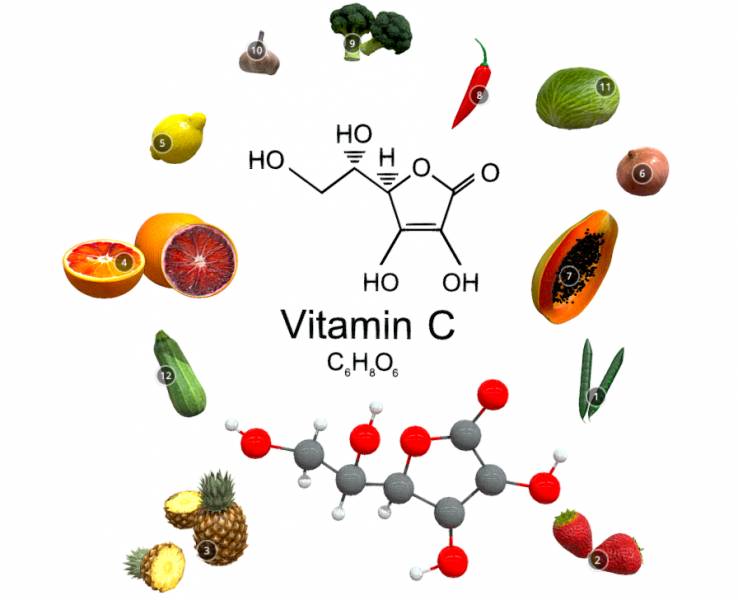
Vitamin C, also known as ascorbic acid, has several important functions. These include: helping to protect cells and keeping them healthy maintaining healthy skin, blood vessels, bones and cartilage helping with wound healing Vitamin C is a water-soluble vitamin. This means that it dissolves in water and is delivered to the body’s tissues but is not well stored, so it must be taken daily through food or supplements. Fruits and vegetables are the best sources of this vitamin: citrus, bell peppers, strawberries, tomatoes, cruciferous vegetables (broccoli, Brussels sprouts, cabbage, cauliflower), etc.

Vedi su ARLOOPA
Phase transition - Condensation
common

Phase transition - Condensation

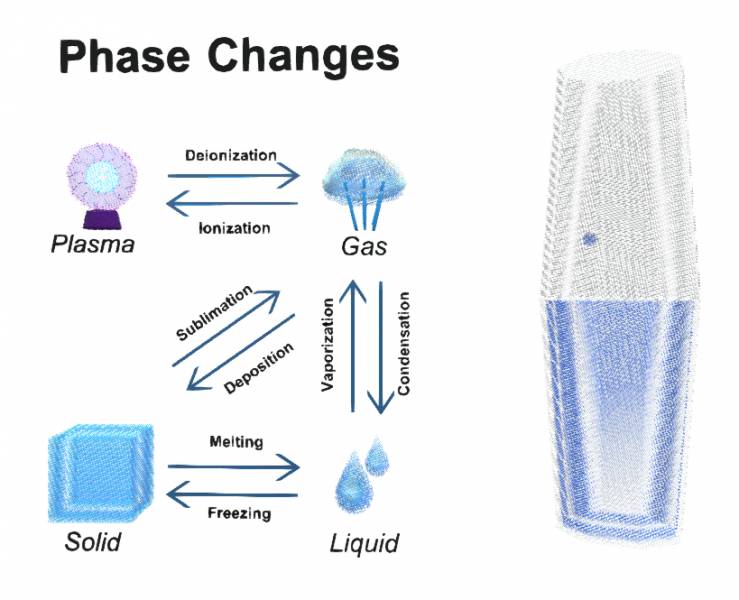
Condensation is a process in which the vapor phase of a substance is changed into the liquid phase by removing and transferring heat from the vapor to a cooling medium. For the process to take place, the vapor must be saturated and the heat of vaporization must be removed from the vapor. The condensation of vapors, like the boiling of liquids, plays a very significant role in a great many commercial and industrial processes.

Vedi su ARLOOPA
Phase transition - melting
rare

Phase transition - melting

Melting, or fusion, is a physical process that results in the phase transition of a substance from a solid to a liquid. This occurs when the internal energy of the solid increases, typically by the application of heat or pressure, which increases the substance’s temperature to the melting point.

Vedi su ARLOOPA
Phase transition - Freezing
rare

Phase transition - Freezing

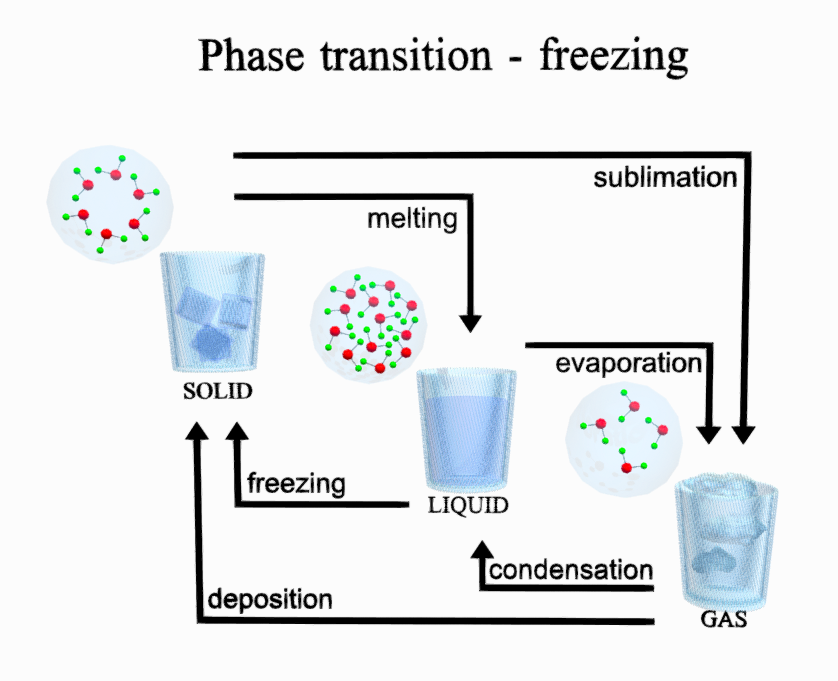
Freezing is a phase transition where a liquid turns into a solid when its temperature is lowered below its freezing point.

Vedi su ARLOOPA
Phase transition - Sublimation and Desublimation
common

Phase transition - Sublimation and Desublimation

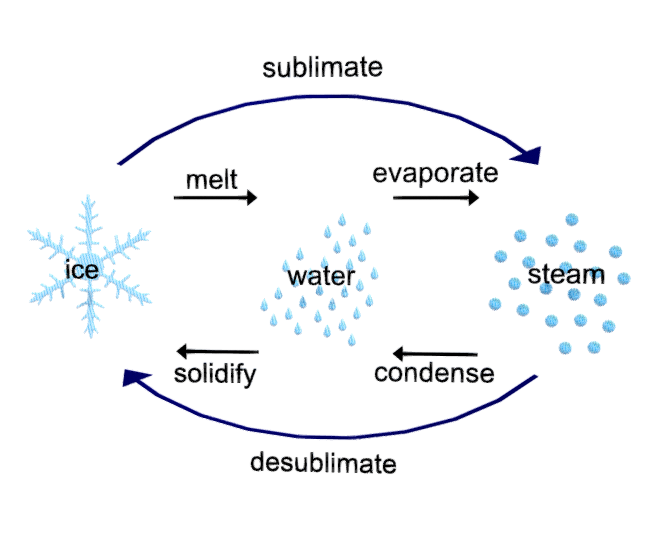
Sublimation is the transition of a substance from the solid phase directly to the vapor state such that it does not pass through the intermediate liquid phase while desublimation is (physics) deposition (transformation of gas into solid without an intermediate liquid phase).

Vedi su ARLOOPA
Maltose
rare

Maltose

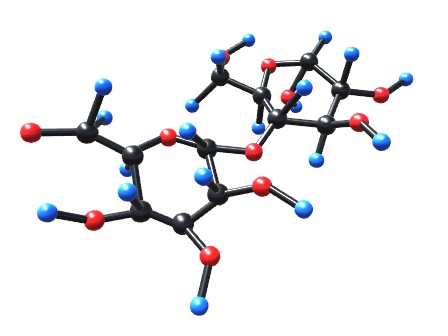
Maltose, also known as maltobiose or malt sugar, is a disaccharide formed from two units of glucose joined with an α bond. In the isomer isomaltose, the two glucose molecules are joined with an α bond. Maltose is the two-unit member of the amylose homologous series, the key structural motif of starch.

Vedi su ARLOOPA
Sucrose
common

Sucrose

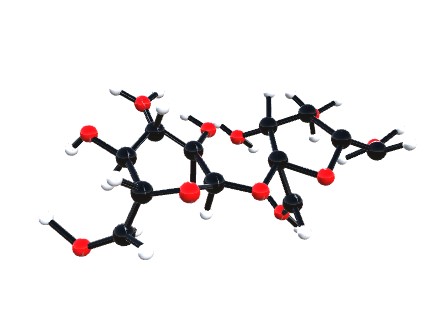
Sucrose, a disaccharide, is a sugar composed of glucose and fructose subunits. It is produced naturally in plants and is the main constituent of white sugar. It has the molecular formula C ₁₂H ₂₂O ₁₁. For human consumption, sucrose is extracted and refined from either sugarcane or sugar beet.

Vedi su ARLOOPA
Salt dissolving in water
rare

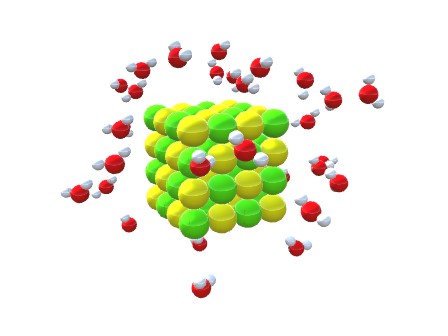
Salt dissolving in water

Water molecules pull the sodium and chloride ions apart, breaking the ionic bond that held them together. After the salt compounds are pulled apart, the sodium and chloride atoms are surrounded by water molecules, as this animation shows. Once this happens, the salt is dissolved, resulting in a homogeneous solution.

Vedi su ARLOOPA
Reducing and Non Reducing Sugars
rare

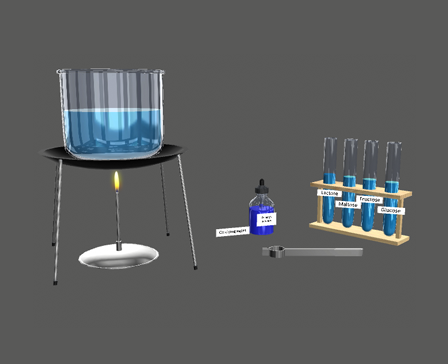
Reducing and Non Reducing Sugars

Reducing sugars are carbohydrates with a free aldehyde or ketone group that can undergo oxidation reactions. Examples include glucose and fructose. Non-reducing sugars lack these functional groups and are formed by condensation reactions, such as sucrose. The classification is based on their ability to reduce certain chemical reagents.

Vedi su ARLOOPA
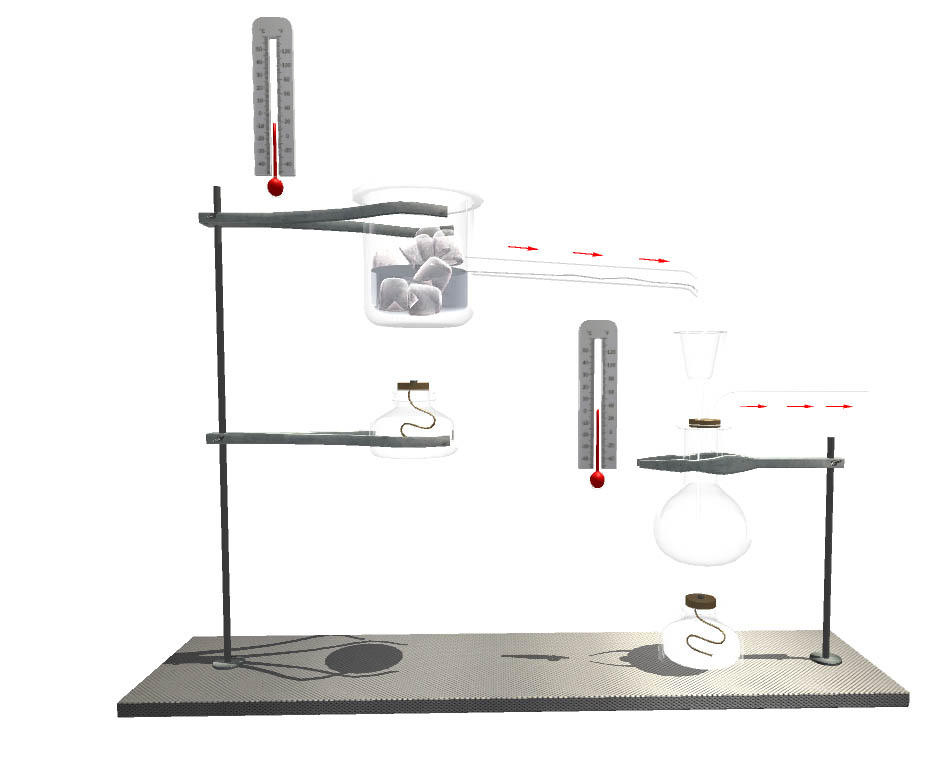
Chemical reaction
rare

Chemical reaction

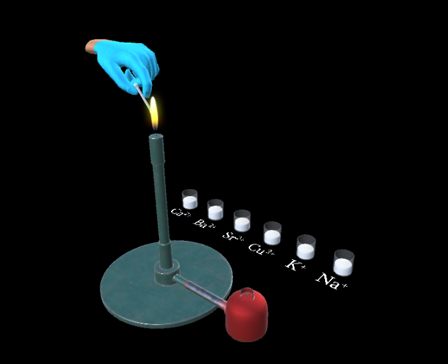
This demonstration experiment can be used to show the flame colors given by alkali metals.

Vedi su ARLOOPA
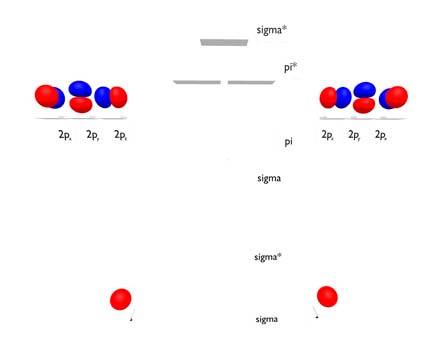
Molecular Orbital Diagram by Michael Aristov
rare

Molecular Orbital Diagram by Michael Aristov

Michael Aristov

Vedi su ARLOOPA
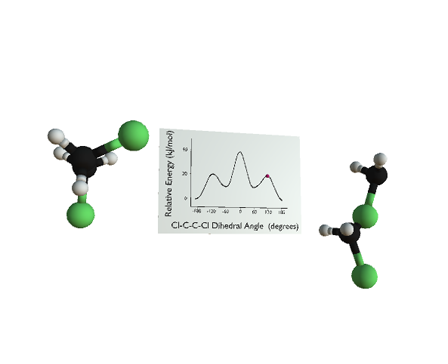
1,2-Dichloroethane Twist by Michael Aristov
rare

1,2-Dichloroethane Twist by Michael Aristov

Michael Aristov

Vedi su ARLOOPA
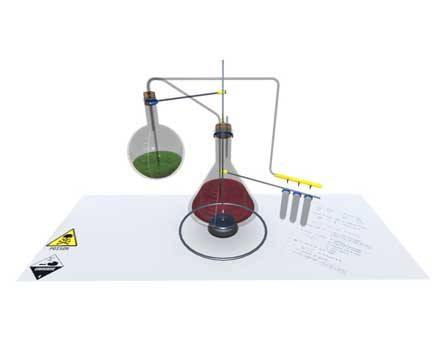
Chemistry Dangerous by Canary Games
rare

Chemistry Dangerous by Canary Games

քիմիա

Canary Games

Vedi su ARLOOPA

ARLOOPA Studio

Crea la tua esperienza AR
Usa ARLOOPA Studio per creare e pubblicare un’esperienza simile per la tua campagna, il tuo spazio, il tuo prodotto o il tuo pubblico.


ARLOOPA Inc. 2026