Explorar por categoria

Anatomia Experiências AR

Explore experiências AR públicas em Anatomia e abra as experiências que parecerem interessantes para si.

Subcategorias

0

Experiências

74

Experiências

Abra qualquer experiência interessante e veja como este formato é usado na prática.
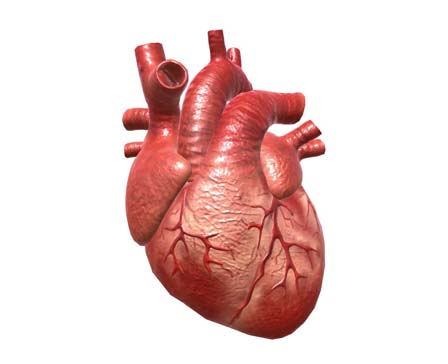
Human Heart
legendary

Human Heart

The human heart is a vital organ responsible for pumping blood throughout the body. It has four chambers, two atria, and two ventricles. The right side receives deoxygenated blood and sends it to the lungs, while the left side receives oxygenated blood and pumps it to the rest of the body. Valves ensure one-way blood flow, and the heart is nourished by coronary arteries. Its rhythmic contractions maintain circulation, supplying oxygen and nutrients to the body's cells. The human heart is an intricate and essential organ for sustaining life.

Ver na ARLOOPA
Structure of Flagella
rare

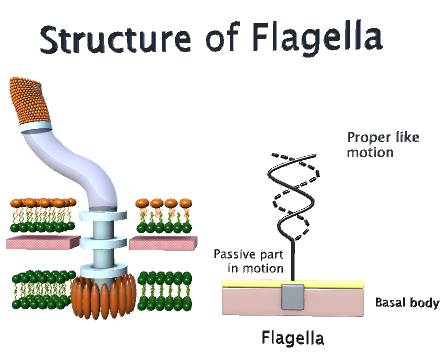
Structure of Flagella

Flagella are long, whip-like structures that enable cell movement. In eukaryotes, they have a “9+2” microtubule core (axoneme) and are anchored by a basal body. Dynein proteins use ATP to create movement. Prokaryotic flagella are simpler, made of flagellin, and rotated by a motor protein. Both types help cells swim through liquids.

Ver na ARLOOPA
Molecular signaling of osteoporosis
rare

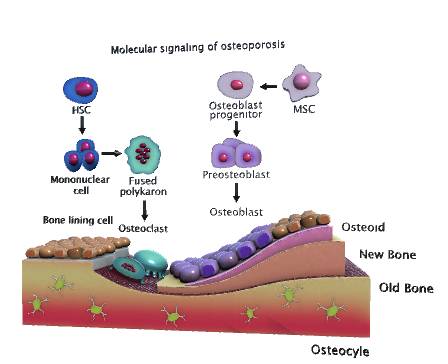
Molecular signaling of osteoporosis

Molecular signaling in osteoporosis involves pathways that regulate bone remodeling. Key players include RANKL, which promotes bone resorption by activating osteoclasts, and OPG, which inhibits this process. An imbalance, often due to hormonal changes or aging, leads to increased bone resorption and decreased bone formation, resulting in weakened bones. Understanding these molecular signals helps in developing treatments for osteoporosis.

Ver na ARLOOPA
Structure of Nephron
rare

Structure of Nephron

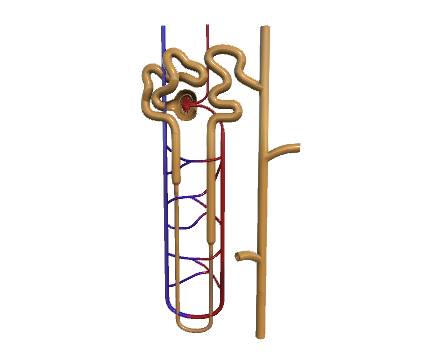
A nephron is the kidney’s functional unit, filtering blood and forming urine. It includes a glomerulus for filtration, Bowman’s capsule to collect fluid, the proximal convoluted tubule for reabsorption, the Loop of Henle for concentration, the distal convoluted tubule for further adjustment, and the collecting duct to transport urine to the renal pelvis. Each part helps maintain fluid and electrolyte balance.

Ver na ARLOOPA
Structure of Neuron
rare

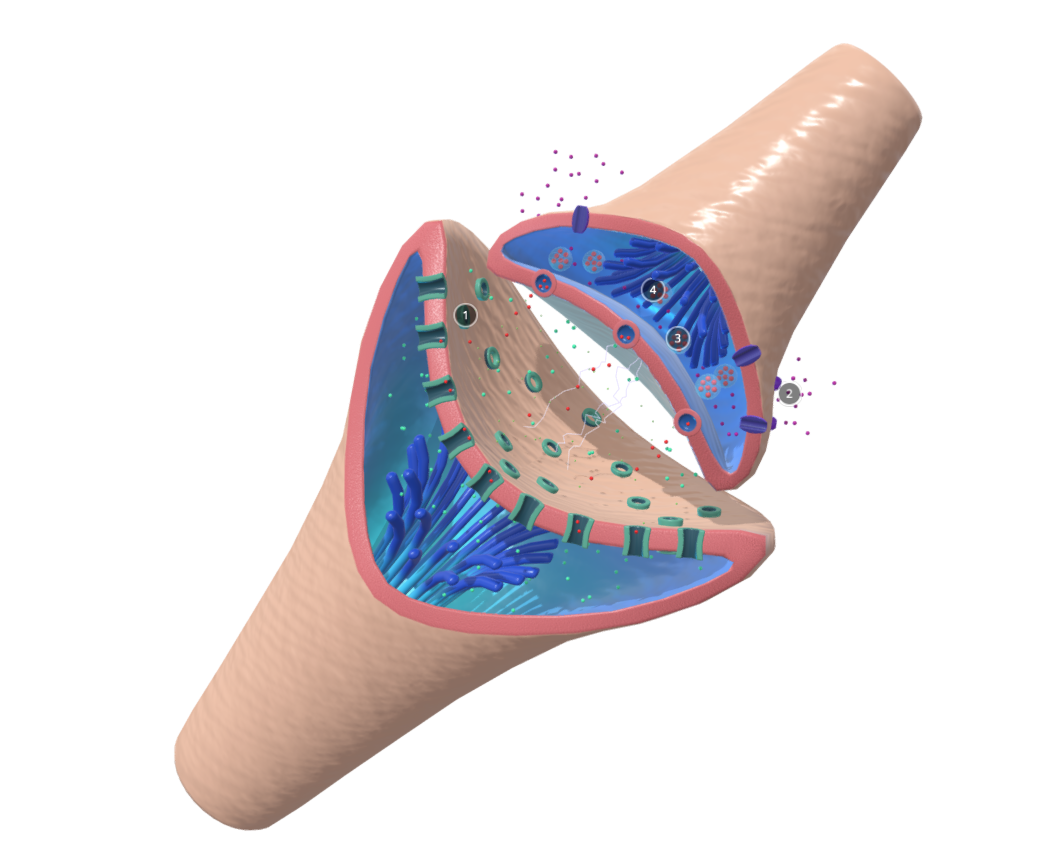
Structure of Neuron

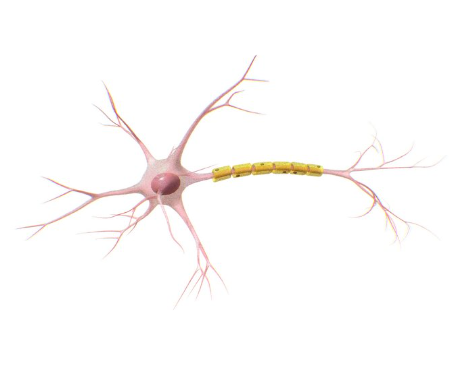
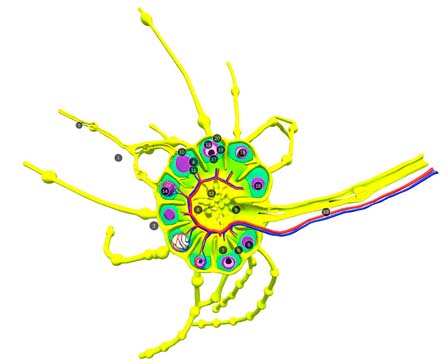
A neuron is a specialized cell that transmits nerve impulses. It consists of a cell body (soma) containing the nucleus, dendrites that receive signals, and a long axon that sends impulses to other neurons or muscles. The axon may be covered with a myelin sheath to speed up signal transmission. Neurons connect through synapses, where neurotransmitters relay signals to the next cell.

Ver na ARLOOPA
Human mouth
epic

Human mouth

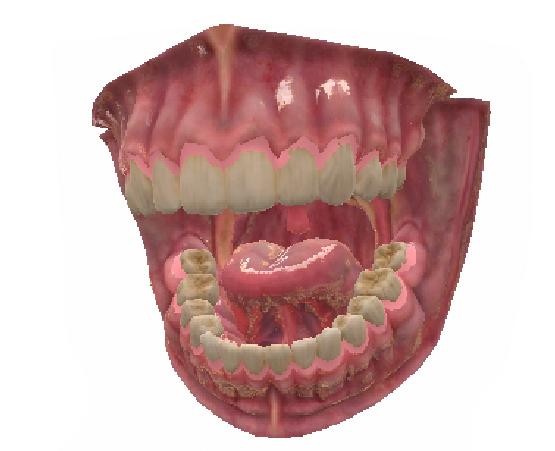
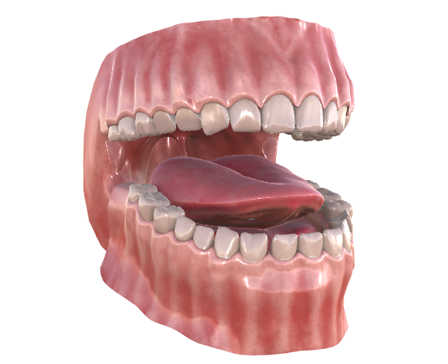
The human mouth is the opening through which food and air enter the body, playing a crucial role in digestion and speech. It contains teeth for chewing, a tongue for tasting and manipulating food, and salivary glands that produce saliva to aid in digestion and maintain oral health. The mouth also functions in vocalization, enabling speech by working in coordination with the throat, vocal cords, and lungs. It is the starting point of the digestive system, where mechanical and chemical digestion begins.

Mince

Ver na ARLOOPA
The extraocular muscles
rare

The extraocular muscles

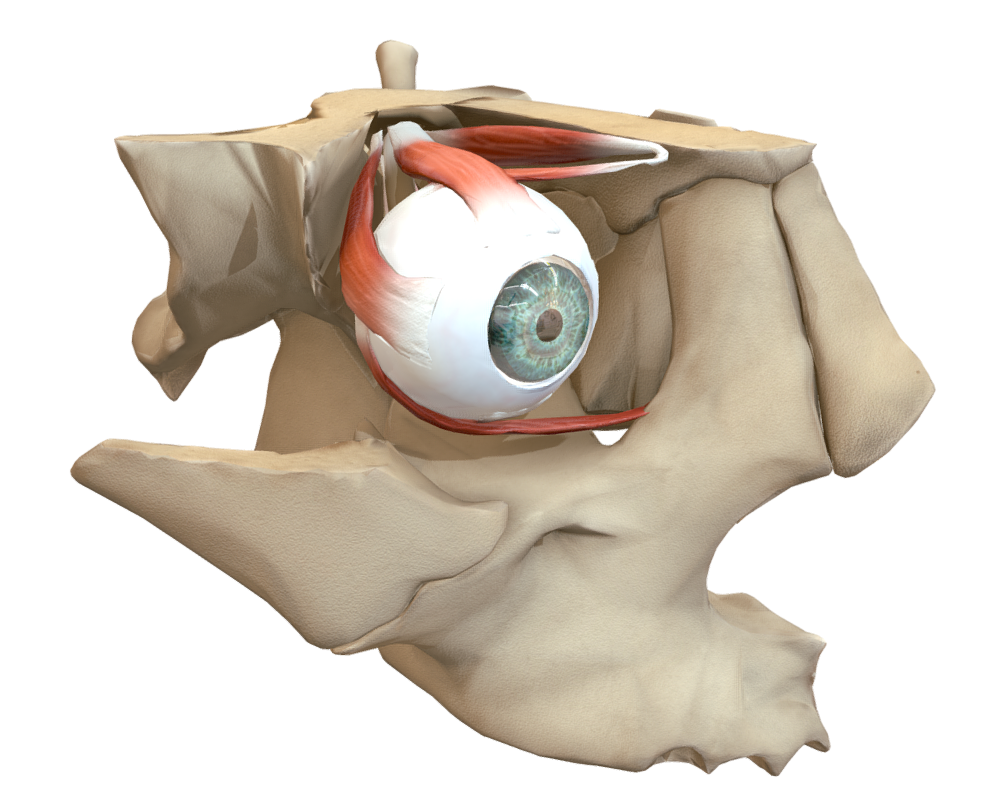
The extraocular muscles are a group of six muscles that control the movement of the eyes. They work together to move the eyes in different directions, allowing for smooth and accurate eye movements. These muscles include the medial rectus, lateral rectus, superior rectus, inferior rectus, superior oblique, and inferior oblique. They play a crucial role in maintaining proper eye alignment and coordination.

Ver na ARLOOPA
Danger Of Smoking
rare

Danger Of Smoking

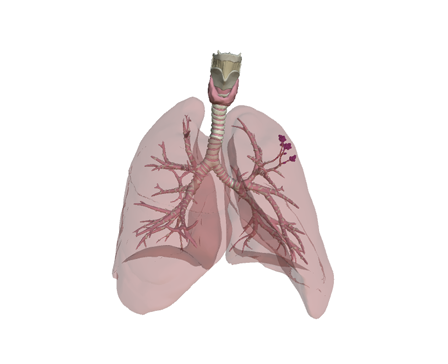
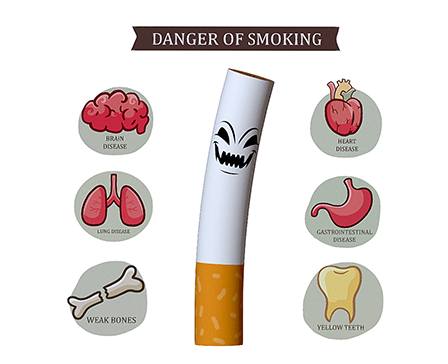
Smoking has detrimental effects on multiple organs and systems throughout the body, leading to serious health complications and a reduced quality of life. Smoking affects multiple aspects of health, including the brain, lungs, heart, gastrointestinal system, bones, and dental health. Quitting smoking is essential for improving overall health and reducing the risk of developing smoking-related diseases.

Ver na ARLOOPA
Cerebellum
epic

Cerebellum

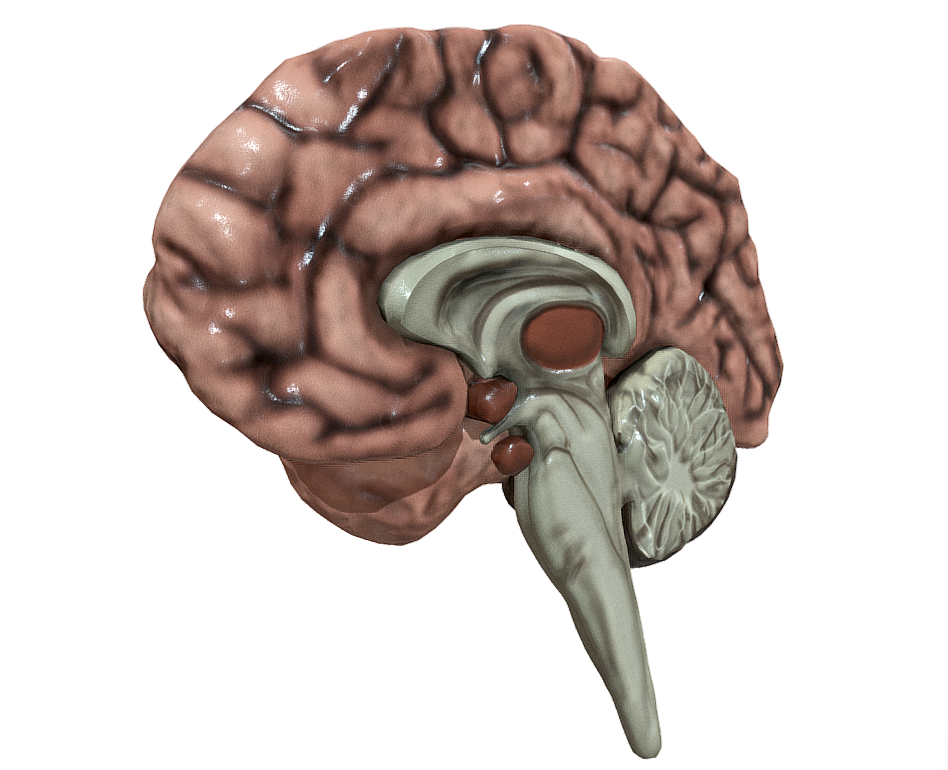
The cerebellum is a major part of the brain located at the back of the skull, beneath the cerebrum. It plays a crucial role in coordinating voluntary movements, balance, posture, and motor learning. Despite its smaller size compared to the cerebrum, the cerebellum contains a significant number of neurons and is essential for smooth and coordinated movement. It receives input from various sensory systems and integrates this information to fine-tune motor commands sent from the brain to the muscles. Additionally, the cerebellum is involved in cognitive functions such as attention, language, and emotional regulation.

Ver na ARLOOPA
Skull Anatomy Comparison
rare

Skull Anatomy Comparison

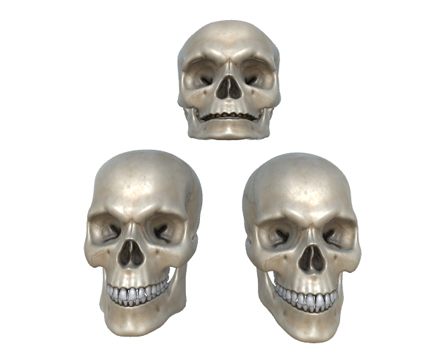
Male, female, and baby skulls exhibit several anatomical differences. Male skulls are generally larger and more robust, with prominent brow ridges and square jawlines. Female skulls are smaller and smoother, with rounder features. Baby skulls are smaller and softer, with less defined features overall. These differences help distinguish between the sexes and age groups in forensic anthropology and medical diagnostics.

Ver na ARLOOPA
Shoulder joint
rare

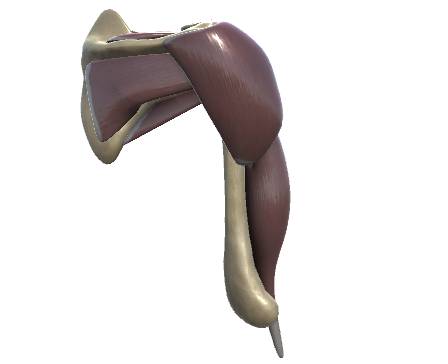
Shoulder joint

The shoulder joint, also known as the glenohumeral joint, is a ball-and-socket joint formed by the articulation between the head of the humerus (the upper arm bone) and the glenoid cavity of the scapula (the shoulder blade). This joint allows for a wide range of motion in various directions, including flexion, extension, abduction, adduction, internal rotation, and external rotation. It plays a crucial role in the mobility and function of the upper limb.

Ver na ARLOOPA
Knee Anatomy
rare

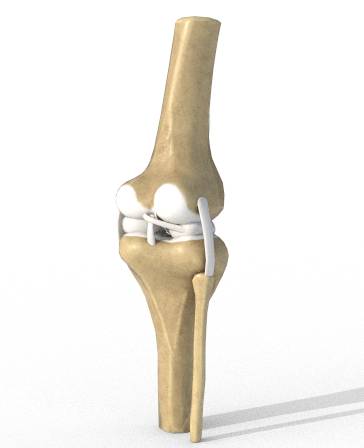
Knee Anatomy

This comprehensive model illustrates key bones, ligaments, and tendons of the knee joint, offering an immersive exploration of its intricate structure. Perfect for educational purposes, medical presentations, and orthopedic consultations.

Ver na ARLOOPA
Anatomy of a hand fractures
rare

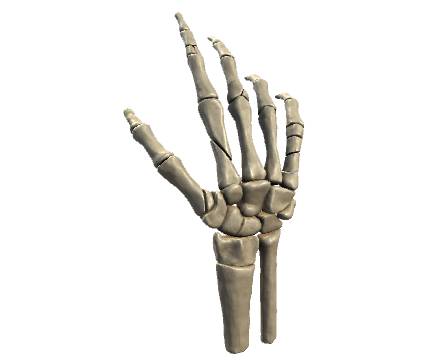
Anatomy of a hand fractures

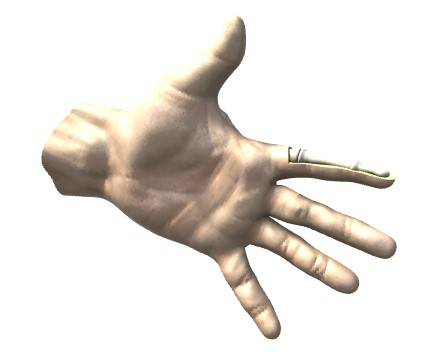
The model not only showcases the intricate structure of the hand but also highlights common fractures and their impact. The model displays the delicate bones, tendons, and ligaments of the hand, providing a comprehensive view of its complexity.

Ver na ARLOOPA
Mammary gland
rare

Mammary gland

Exocrine glands release (secrete) substances through openings (ducts) onto your body surfaces. Exocrine glands secrete sweat, tears, saliva, milk and digestive juices. The three mechanisms by which exocrine glands release their secretions include merocrine, apocrine, and holocrine.

Ver na ARLOOPA
The Stages of Caries Development 3D Model
rare

The Stages of Caries Development 3D Model

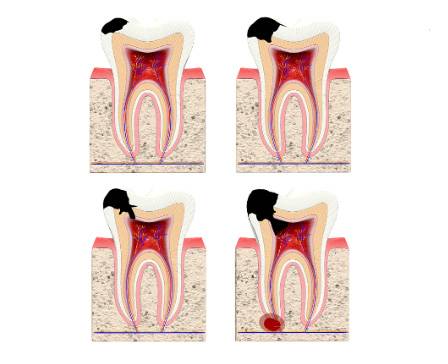
The Stages of Caries Development 3D Model is an interactive tool that visually depicts the progression of tooth decay. It showcases the different stages of caries, from initial demineralization to advanced decay, using a rotating and zoomable three-dimensional tooth model. This educational tool aids dental professionals, students, and patients in understanding the consequences of untreated caries and emphasizes the importance of oral hygiene and preventive measures.

Ver na ARLOOPA
Human finger structure
rare

Human finger structure

The bones in our fingers and thumb are called phalanges. Each finger has 3 phalanges separated by two interphalangeal joints, except for the thumb, which only has 2 phalanges and one interphalangeal joint.

Ver na ARLOOPA
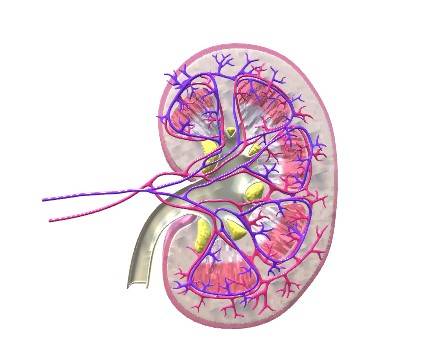
Human Kidney Cross Section
epic

Human Kidney Cross Section

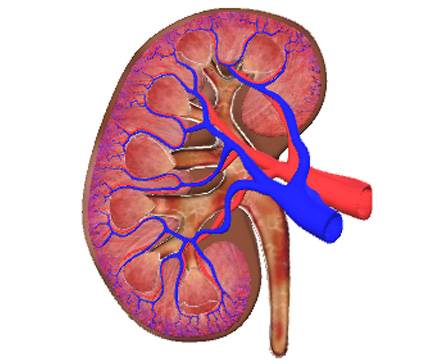
The kidneys remove waste and extra water from the blood (as urine) and help keep chemicals (such as sodium, potassium, and calcium) balanced in the body. The kidneys also make hormones that help control blood pressure and stimulate bone marrow to make red blood cells.

Ver na ARLOOPA
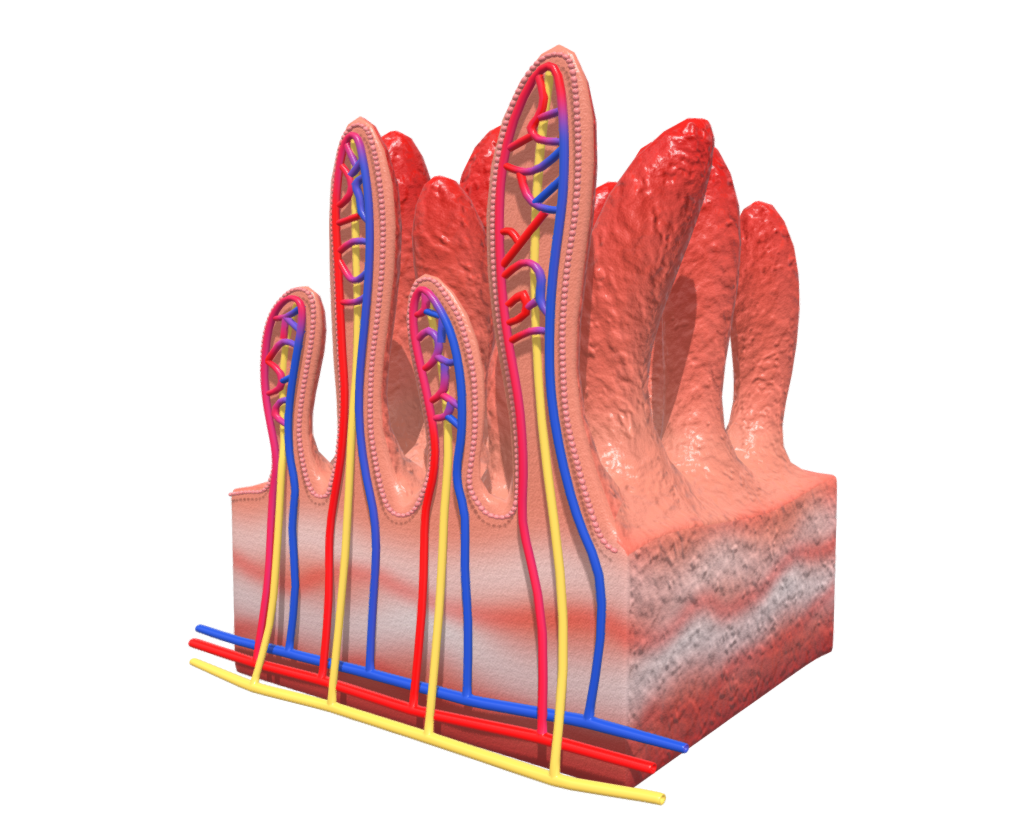
Small intestine wall cross section
rare

Small intestine wall cross section

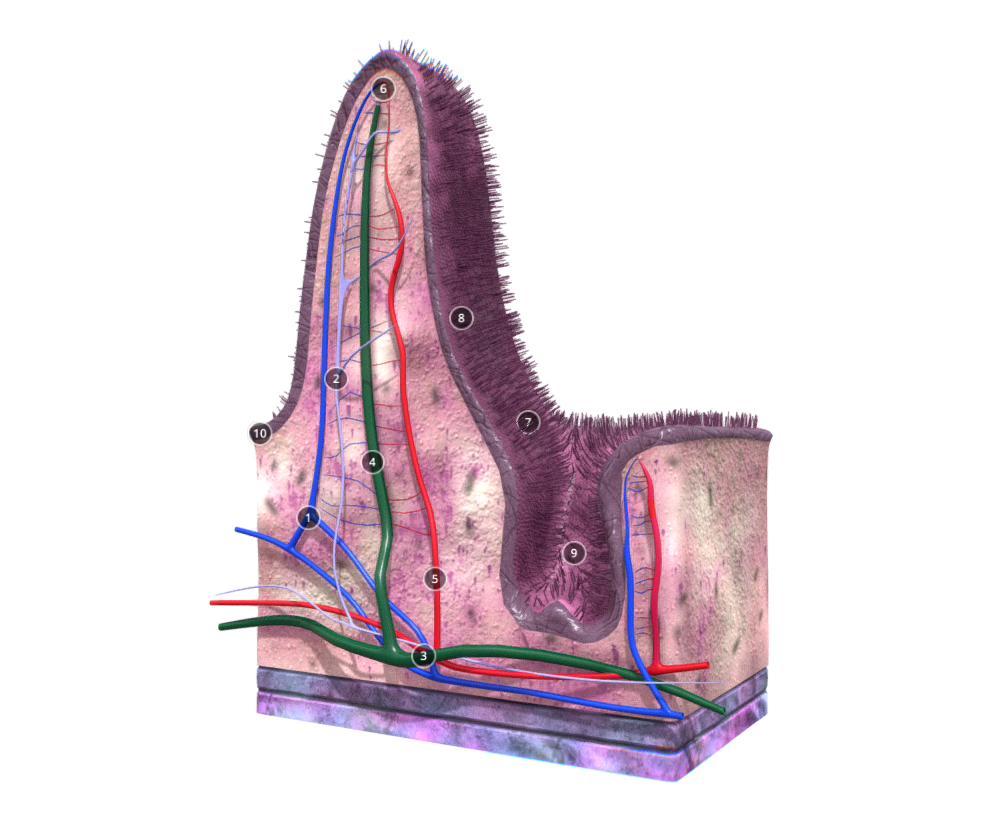
The walls of the small intestine are lined with a dense mucosa with many glands that both secrete and absorb. In the jejunum and the ileum, the mucosa secretes small amounts of digestive enzymes and lubricating mucus while absorbing nutrients from your food.

Ver na ARLOOPA
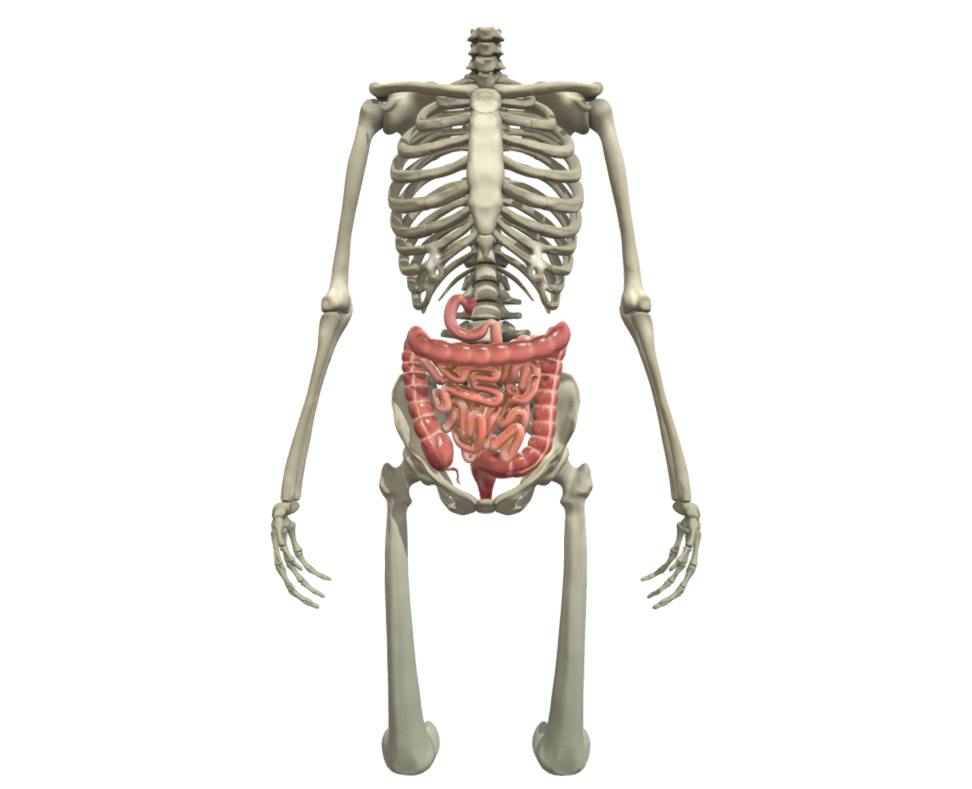
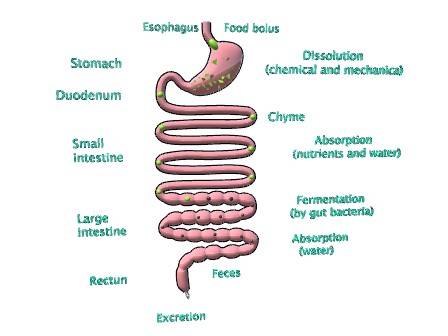
Small and large intestine
epic

Small and large intestine

Unlike the small intestine, the large intestine produces no digestive enzymes. Chemical digestion is completed in the small intestine before the chyme reaches the large intestine. Functions of the large intestine include the absorption of water and electrolytes and the elimination of feces.

Ver na ARLOOPA
Human Pancreas Cross section
rare

Human Pancreas Cross section

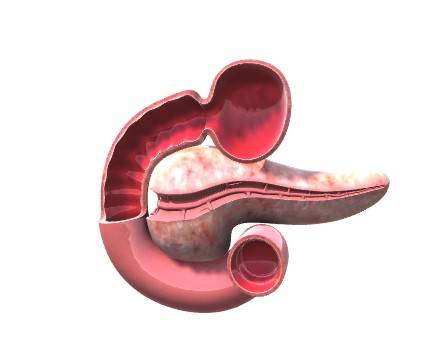
The pancreas (meaning all flesh) lies in the upper abdomen behind the stomach. The pancreas is part of the gastrointestinal system that makes and secretes digestive enzymes into the intestine, and also an endocrine organ that makes and secretes hormones into the blood to control energy metabolism and storage throughout the body.

Ver na ARLOOPA
Gallbladder with Gallstones
rare

Gallbladder with Gallstones

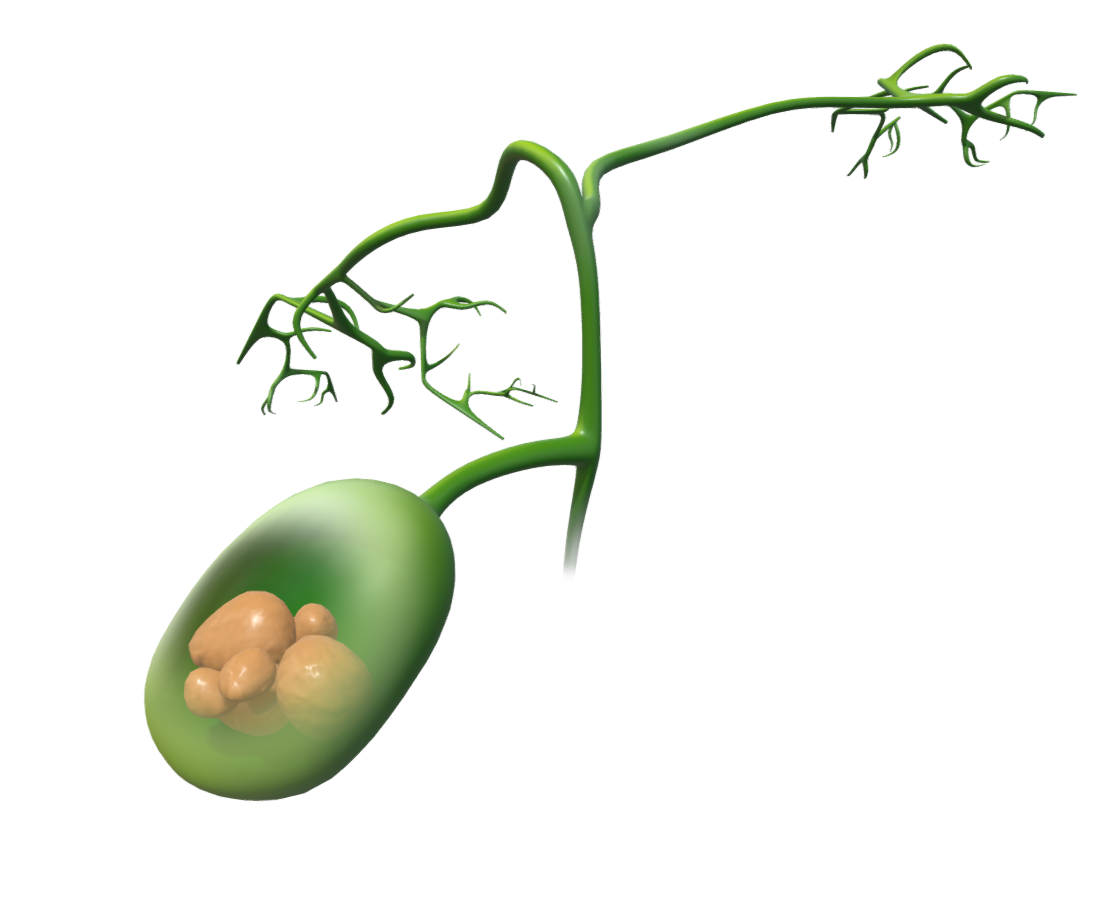
Gallstones are hardened deposits of digestive fluid that can form in your gallbladder. Your gallbladder is a small, pear-shaped organ on the right side of your abdomen, just beneath your liver. The gallbladder holds a digestive fluid called bile that's released into your small intestine. Gallstones range in size from as small as a grain of sand to as large as a golf ball. Some people develop just one gallstone, while others develop many gallstones at the same time. People who experience symptoms from their gallstones usually require gallbladder removal surgery. Gallstones that don't cause any signs and symptoms typically don't need treatment.

Ver na ARLOOPA
Wound healing
rare

Wound healing

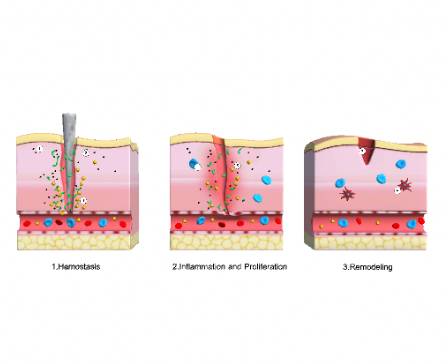
Wound healing, as a normal biological process in the human body, is achieved through four precisely and highly programmed phases: hemostasis, inflammation, proliferation, and remodeling.

Ver na ARLOOPA
Lacrimal Gland Anatomy
rare

Lacrimal Gland Anatomy

The lacrimal gland is a bilobed, tear-shaped gland with the primary function of secreting the aqueous portion of the tear film, thereby maintaining the ocular surface. It is primarily located in the anterior, superotemporal orbit within the lacrimal fossa of the frontal bone.

Ver na ARLOOPA
Eyeball section
rare

Eyeball section

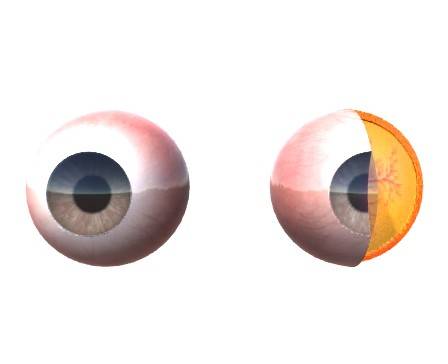
The eye has many parts, including the cornea, pupil, lens, sclera, conjunctiva and more. They all work together to help us see clearly.

Ver na ARLOOPA
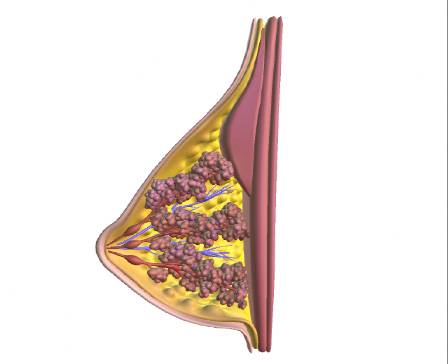
Mammary Gland Cross Section
rare

Mammary Gland Cross Section

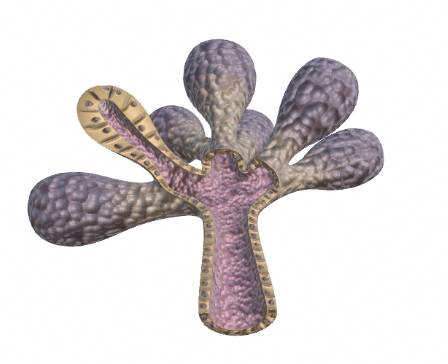
A 3D model of a mammary gland cross-section represents a detailed and accurate visualization of the internal structure of the mammary gland in the human breast. The mammary gland is a complex organ responsible for producing and secreting milk for infant nutrition. A 3D model allows for a better understanding of the complex anatomy of the mammary gland, including its lobes, ducts, and fatty tissue.

Ver na ARLOOPA
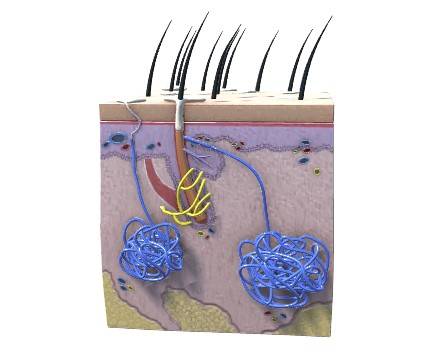
Sweat glands
rare

Sweat glands

Sweat glands are appendages of the integument. There are eccrine and apocrine sweat glands. They differ in embryology, distribution, and function. Eccrine sweat glands are simple, coiled, tubular glands present throughout the body, most numerously on the soles of the feet.

Ver na ARLOOPA
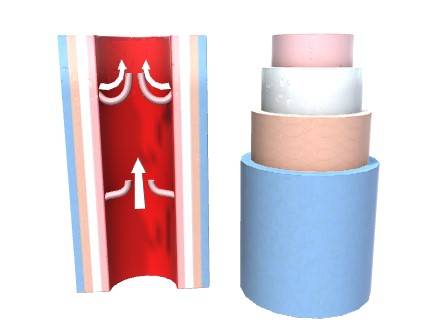
Cross section of artery
rare

Cross section of artery

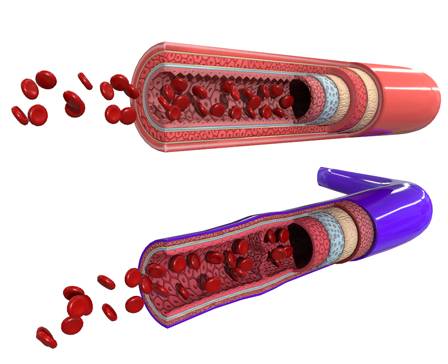
Cross-section of an artery showing inner, middle, and outer layers. The intima is a layer of endothelial cells and connective tissue which covers the luminal surface of the arteries. The media consists of connective tissue (tissue full of collagen, elastin, and other elastic fibers) and smooth muscle cells.

Ver na ARLOOPA
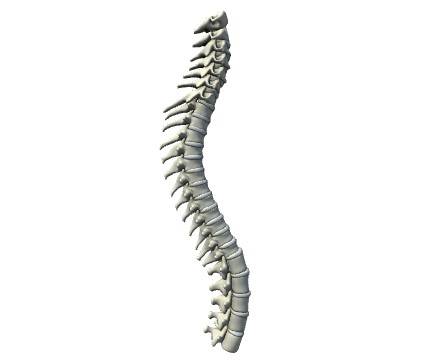
Spine Segments Structure
rare

Spine Segments Structure

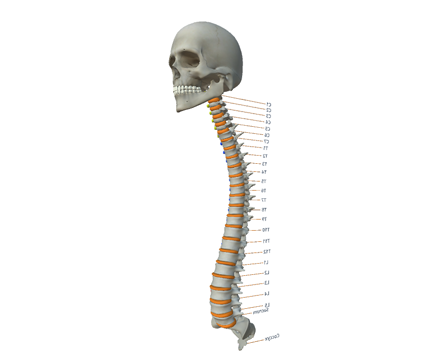
The spine itself has three main segments: the cervical spine, the thoracic spine, and the lumbar spine. The cervical is the upper part of the spine, made up of seven vertebrae (bones). The thoracic is the center portion of the spine, consisting of 12 vertebrae. The lower portion of the spine is called the lumbar spine.

Ver na ARLOOPA
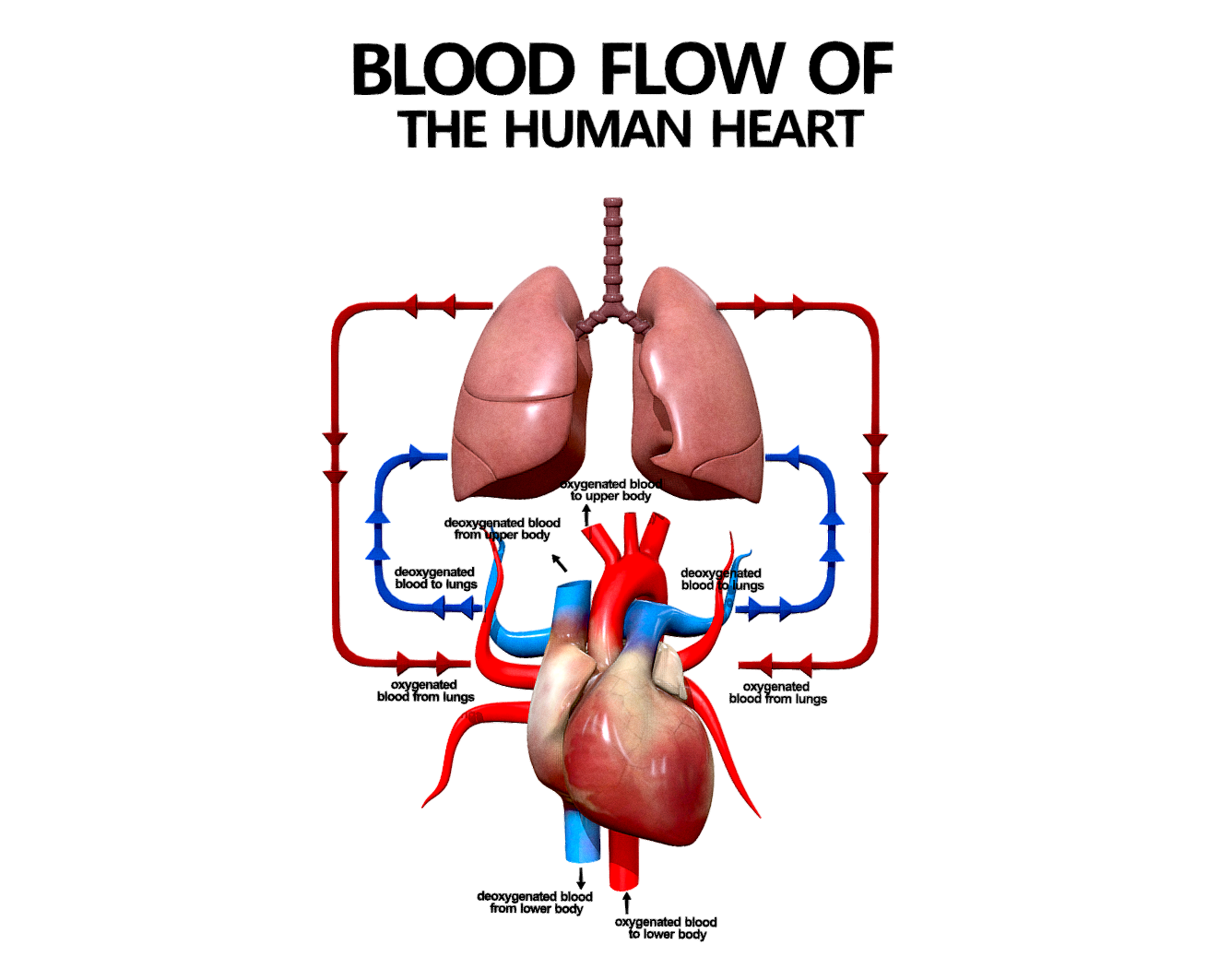
Systemic Blood Flow
epic

Systemic Blood Flow

Systemic circulation carries oxygenated blood from the left ventricle, through the arteries, to the capillaries in the tissues of the body. From the tissue capillaries, the deoxygenated blood returns through a system of veins to the right atrium of the heart.

Ver na ARLOOPA
Cross section of vein
rare

Cross section of vein

Arteries and veins have the same layers of tissues in their walls, but the proportions of these layers differ. Lining the core of each is a thin layer of endothelium, and covering each is a sheath of connective tissue, but an artery has thick intermediate layers of elastic and muscular fiber while in the vein, these are much thinner and less developed. With the exception of pulmonary and umbilical veins and arteries, arteries carry oxygenated blood from the heart, while veins return CONTINUE SCROLLING TO READ MORE BELOW...

Ver na ARLOOPA
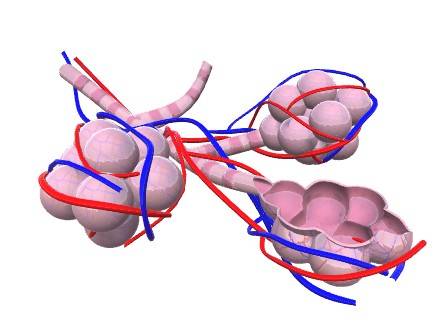
Alveolar Sacs
rare

Alveolar Sacs

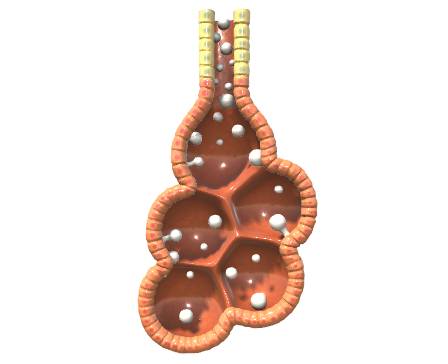
(al-VEE-oh-ly) Tiny air sacs at the end of the bronchioles (tiny branches of air tubes in the lungs). The alveoli are where the lungs and the blood exchange oxygen and carbon dioxide during the process of breathing in and breathing out.

Ver na ARLOOPA
Digestion
rare

Digestion

The process of breaking down food into substances the body can use for energy, tissue growth, and repair.

Ver na ARLOOPA
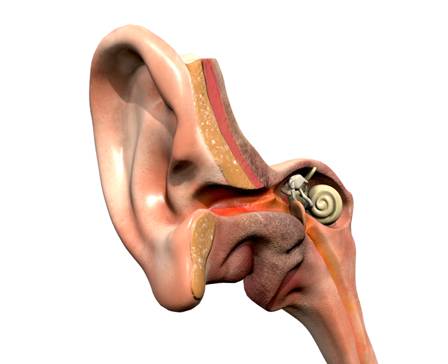
Ear Cross Section
epic

Ear Cross Section

A cross section of the ear reveals its three main parts: the outer ear, middle ear, and inner ear. The outer ear collects sound waves, which travel through the ear canal to the eardrum. In the middle ear, the eardrum vibrates and transfers sound to the three tiny bones (ossicles). These bones amplify and transmit the sound to the inner ear. The inner ear contains the cochlea for hearing and the vestibular system for balance. Hair cells in the cochlea convert sound into electrical signals, while the vestibular system detects movement and maintains balance.

Ver na ARLOOPA
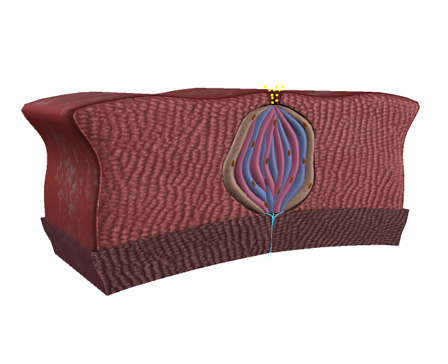
Taste bud
rare

Taste bud

Taste buds are tiny sensory organs on your tongue that send taste messages to your brain. These organs have nerve endings that have chemical reactions to the food you eat. With how many taste buds humans have, you’re able to sense a range of flavors across five categories: sweet, sour, salty, bitter, and savory. Humans have about 10,000 taste buds that get replaced after every two weeks. As you age, some taste buds stop regrowing, so older people may have closer to 5,000 working taste buds. Because of this, foods may taste stronger when you are younger.

Ver na ARLOOPA
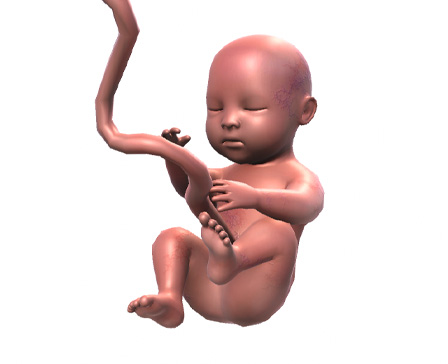
Human Fetus/ Stages of fetal development
epic

Human Fetus/ Stages of fetal development

During fetal development, a fertilized egg progresses through the embryonic period, fetal period, and final stages leading up to birth. In the embryonic period, major organs and body systems form. The fetal period involves growth, refinement of features, and organ maturation. In the final stages, the fetus prepares for birth, with organ adjustments and positioning. The fetus receives oxygen and nutrients through the placenta and umbilical cord.

Ver na ARLOOPA
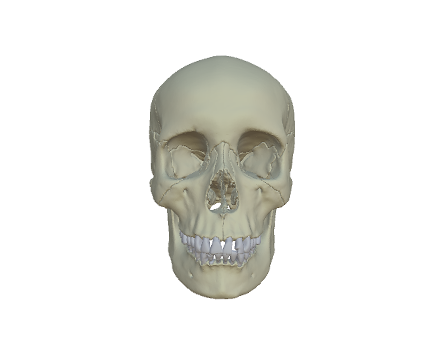
Visible Interactive Human - Exploding skull by WitmerLab at Ohio University
legendary

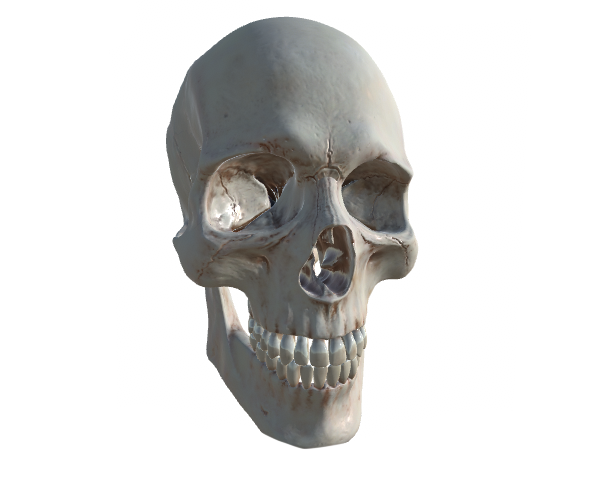
Visible Interactive Human - Exploding skull by WitmerLab at Ohio University

WitmerLab at Ohio University

Ver na ARLOOPA
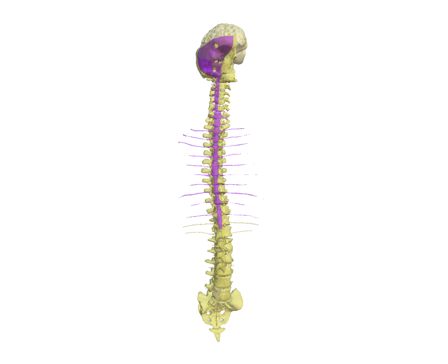
Vertebrae with Spinal Cord
epic

Vertebrae with Spinal Cord

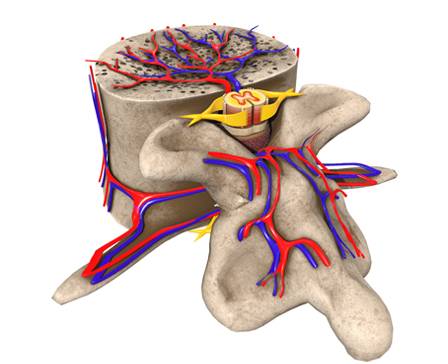
The vertebrae, along with the spinal cord, form the central axis of the body's skeletal and nervous systems. The vertebrae protect and support the spinal cord, which serves as the communication pathway between the brain and body. Together, they play a vital role in bodily movement, posture, and overall neurological function.

Ver na ARLOOPA
Blood Vessels Anatomy
epic

Blood Vessels Anatomy

Blood vessels are vital tubular structures that form a network throughout the body. Arteries carry oxygenated blood away from the heart, while veins transport deoxygenated blood back to the heart. Capillaries enable the exchange of substances between blood and tissues. Together, they ensure the proper circulation of blood, delivering oxygen and nutrients while removing waste products. Blood vessel health is essential for overall body function.

Ver na ARLOOPA
Human Tooth Anatomy
epic

Human Tooth Anatomy

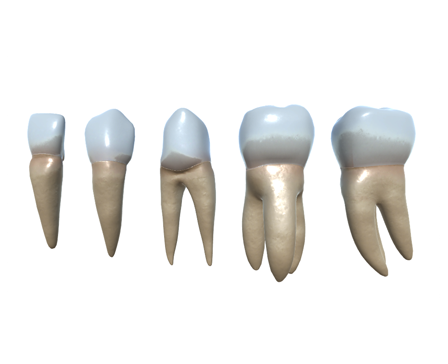
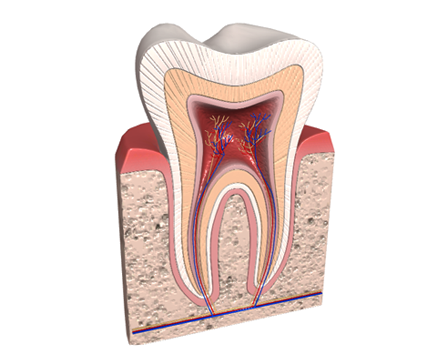
The human tooth is a hard structure found in the mouth, consisting of layers such as enamel, dentin, and pulp. The crown is the visible part, while the roots anchor the tooth in the jawbone. Teeth play a vital role in biting, chewing, and speech, and proper oral hygiene is crucial for their maintenance.

Ver na ARLOOPA
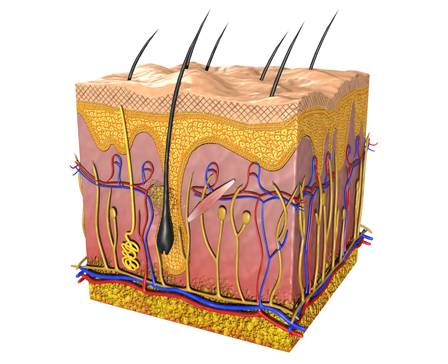
Skin Section
epic

Skin Section

The skin has three layers: the epidermis, dermis, and hypodermis. The epidermis is the outermost layer, while the dermis provides support and houses glands and follicles. The hypodermis is the innermost layer made up of fat cells. Together, they protect, regulate sensation, and maintain body temperature.

Ver na ARLOOPA
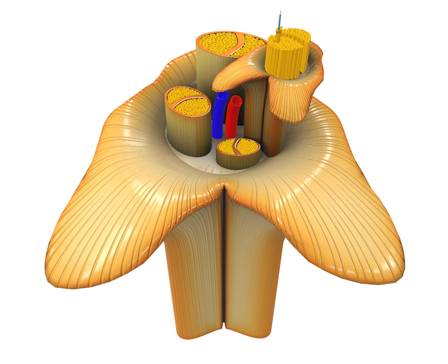
Human Nerve Tissue
rare

Human Nerve Tissue

Human nerve tissue is a vital part of the nervous system, composed of neurons and glial cells. Neurons transmit electrical impulses and facilitate communication, while glial cells provide support and maintenance. This intricate network extends throughout the body, with the central and peripheral nervous systems working together to process information, control movement, and coordinate bodily functions. Human nerve tissue is essential for sensory perception, motor control, and overall physiological regulation.

Ver na ARLOOPA
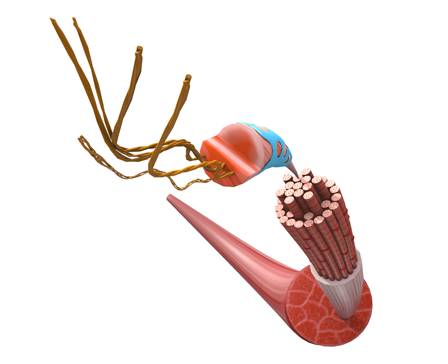
Human Muscle Tissue
rare

Human Muscle Tissue

Human muscle tissue is specialized tissue responsible for movement and support in the body. It is composed of muscle fibers that contract and relax, allowing us to perform physical activities. There are three main types: skeletal, smooth, and cardiac. Skeletal muscle enables voluntary movements, while smooth muscle controls involuntary functions in organs and blood vessels. Cardiac muscle is unique to the heart and ensures continuous pumping of blood.

Ver na ARLOOPA
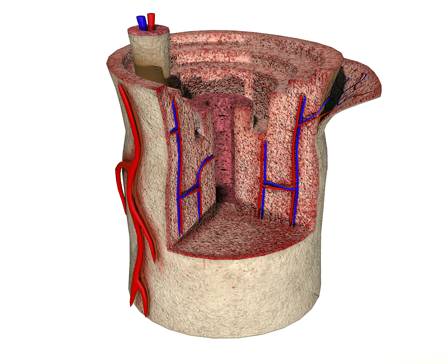
Human Bone Tissue
rare

Human Bone Tissue

Human bone tissue is a specialized connective tissue that forms the skeletal structure of the body. It provides strength, support, and protection for organs. Composed of living cells and a mineralized matrix, bone tissue is strong and adaptable. It consists of compact bone, which forms the outer layer of bones, and spongy bone, which is found inside. Bone tissue undergoes constant remodeling, replacing old tissue with new, and plays a role in mineral storage and blood cell production. It is crucial for overall skeletal integrity and bodily functions.

Ver na ARLOOPA
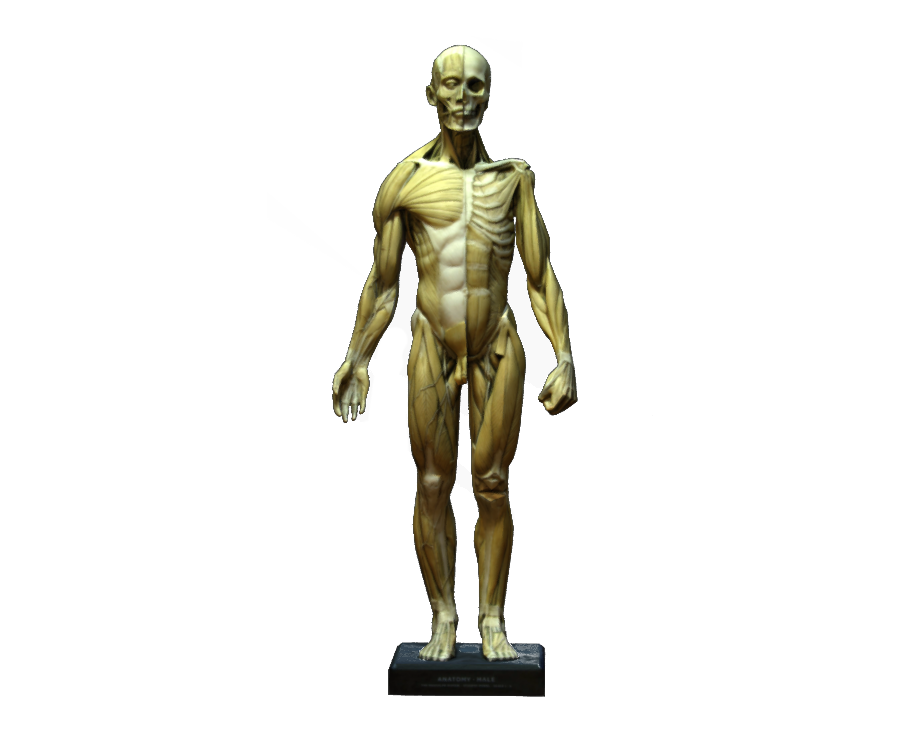
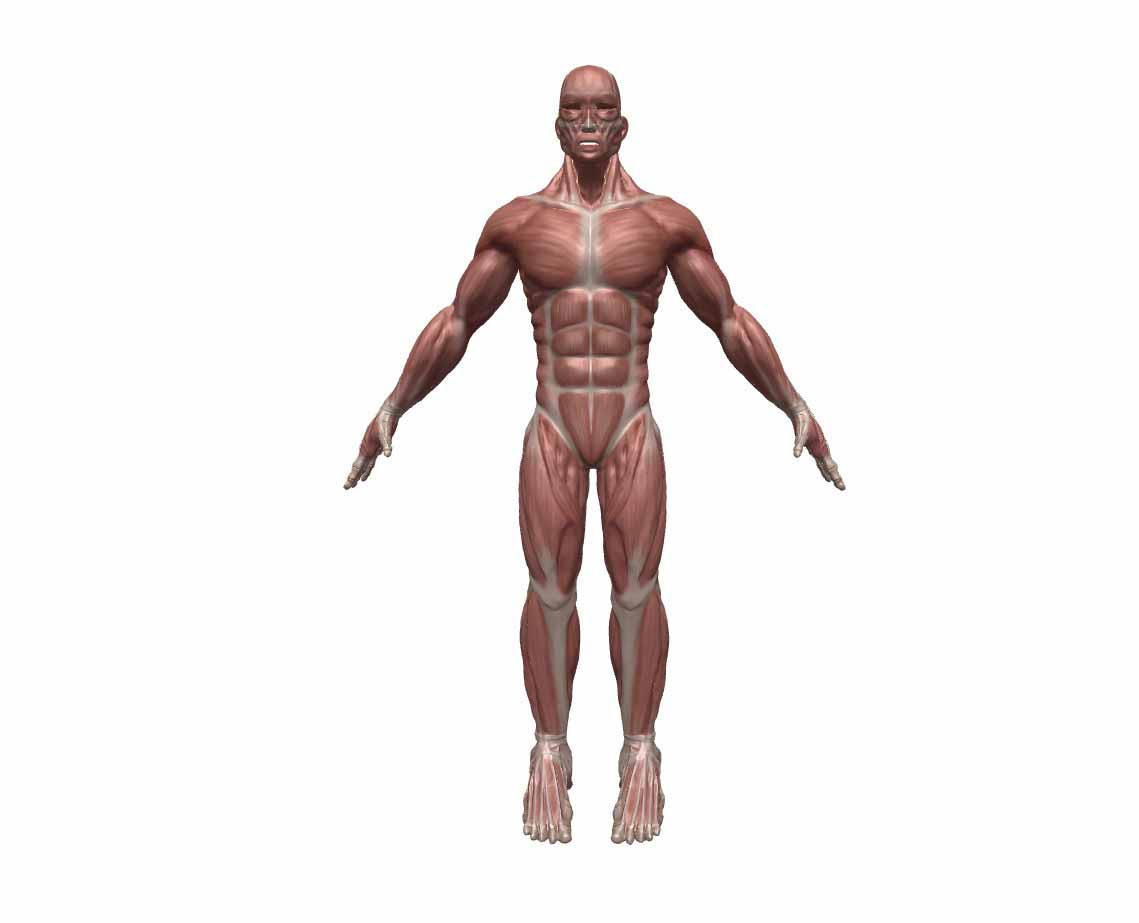
Human Anatomy
rare

Human Anatomy

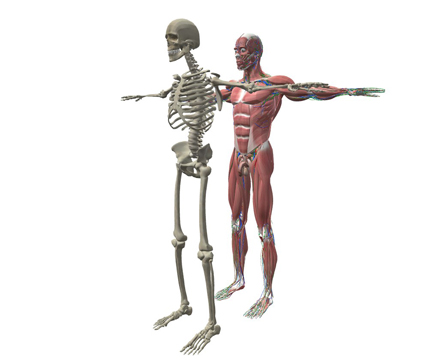
Human anatomy is the scientific study of the structure, composition, and organization of the human body. It involves the exploration and analysis of the body's bones, muscles, organs, and other anatomical structures. By studying anatomy, we gain a deeper understanding of how our bodies are built, how they function, and how they are interconnected.

Ver na ARLOOPA
Blood Supply of Brain
common

Blood Supply of Brain

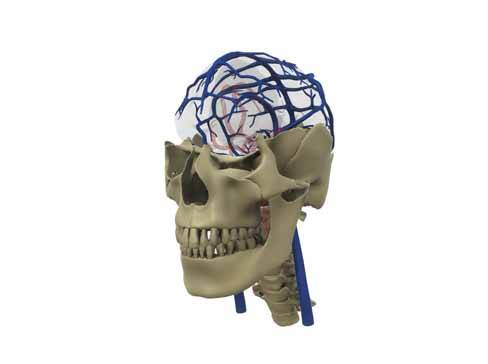
The blood supply of the brain is a network of blood vessels that delivers oxygen, nutrients, and essential substances to the brain tissue. It consists of major arteries such as the internal carotid and vertebral arteries, which branch into smaller vessels. The circle of Willis provides an alternative pathway for blood flow. Disruptions in blood supply can lead to serious conditions like stroke. Maintaining a healthy blood supply to the brain is crucial for optimal brain function and overall well-being.

Ver na ARLOOPA

ARLOOPA Studio

Crie a sua própria experiência AR
Use o ARLOOPA Studio para criar e publicar uma experiência semelhante para a sua campanha, espaço, produto ou público.

ARLOOPA Inc. 2026