Explorar por categoría

Biología Experiencias AR

Explora experiencias AR públicas en Biología y abre las experiencias que te resulten interesantes.

Subcategorías

0

Experiencias

59

Experiencias

Abre cualquier experiencia interesante y mira cómo se usa este formato en la práctica.
Osmosis in a plant cell
epic

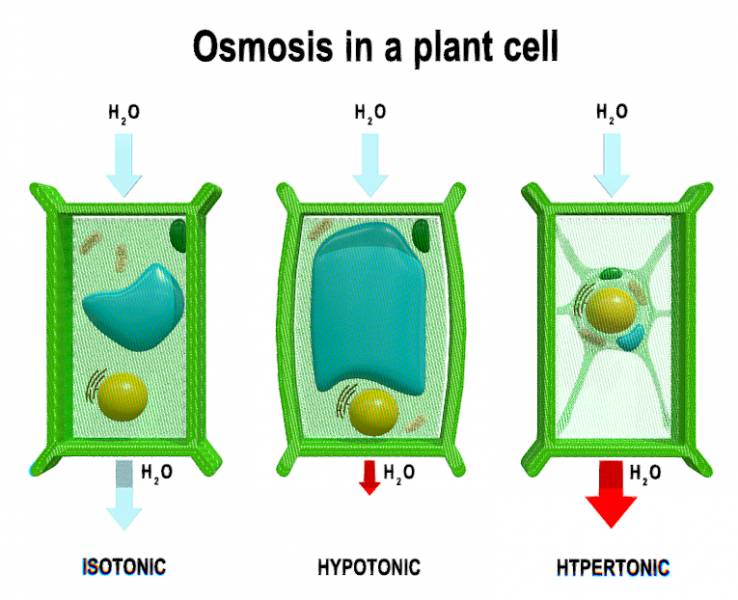
Osmosis in a plant cell

In plants, water enters the root cells by osmosis and moves into tubes called xylem vessels to be transported to the leaves. Water molecules inside the xylem cells are strongly attracted to each other because of hydrogen bonding (this is called cohesion).

Ver en ARLOOPA
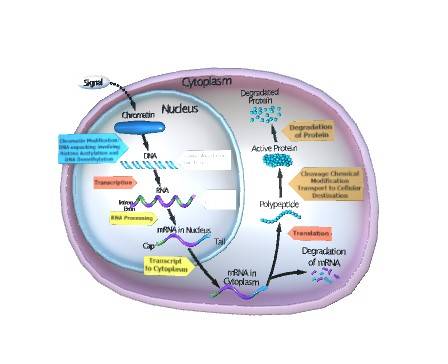
Regulation of Gene Expression
rare

Regulation of Gene Expression

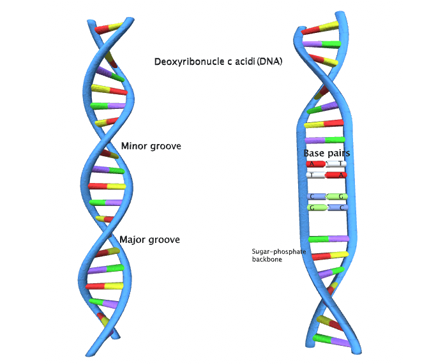
Regulation of gene expression involves controlling the timing, location, and amount of a gene’s product (protein or RNA) that is produced. This regulation can occur at various stages, including transcription, RNA processing, translation, and post-translation. It ensures that genes are expressed in the right cells at the right time and in the appropriate amounts, allowing cells to respond to their environment and maintain homeostasis.

Ver en ARLOOPA
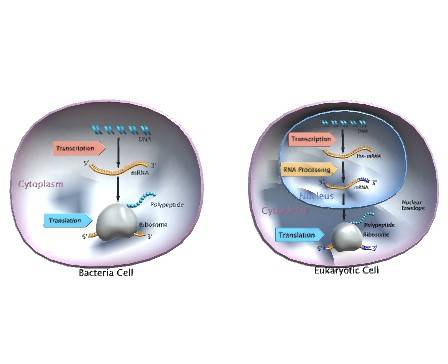
Regulation in prokaryotes and eukaryotes
rare

Regulation in prokaryotes and eukaryotes

Regulation in prokaryotes and eukaryotes controls gene expression for proper cell function. In prokaryotes, it typically occurs at the transcriptional level using operons, which coordinate the expression of related genes. In eukaryotes, regulation is more complex and occurs at multiple levels, including transcriptional, post-transcriptional, translational, and post-translational. Mechanisms include transcription factors, enhancers, silencers, and RNA splicing, allowing for precise control of gene expression.

Ver en ARLOOPA
Tree Trunk anatomy
rare

Tree Trunk anatomy

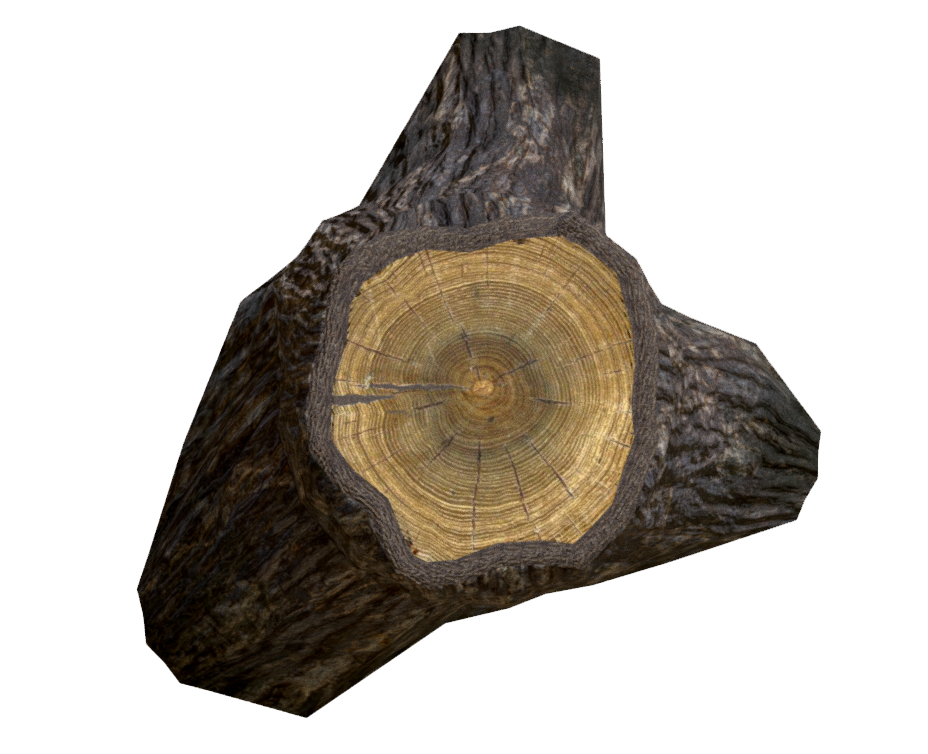
Internally, the trunk consists of several layers, including the bark, cambium layer, sapwood, and heartwood. The bark serves as the protective outer layer, while the cambium layer is responsible for producing new cells for growth. The sapwood transports water and nutrients from the roots to the leaves, while the heartwood provides structural support and stores waste materials. Externally, the trunk may exhibit features such as lenticels, which are small pores that allow for gas exchange, as well as scars from previous branches or injuries.

Ver en ARLOOPA
Life Cycle of a Frog
rare

Life Cycle of a Frog

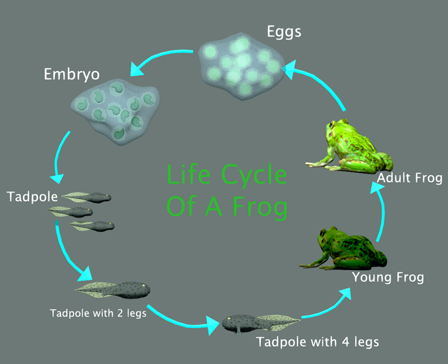
The life cycle of a frog is a fascinating journey from egg to tadpole, then to a fully grown frog. Starting as tiny eggs laid in water, they hatch into tadpoles with gills for breathing. As they grow, they develop legs and lose their tails, eventually becoming adult frogs that can live on land or in water. It's a remarkable transformation worth exploring!

Ver en ARLOOPA
Internal Root Structure
rare

Internal Root Structure

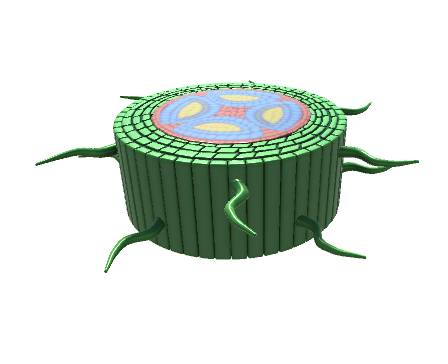
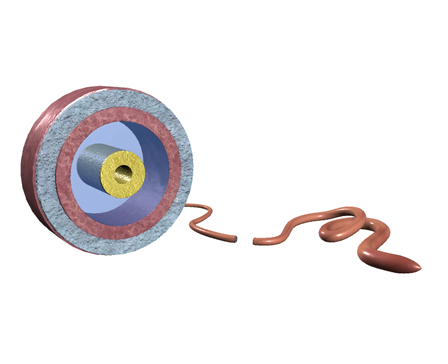
The internal root structure refers to the anatomical arrangement and organization of tissues within a plant’s root system. This structure is essential for various functions, including anchoring the plant in the soil, absorbing water and nutrients, and conducting them throughout the plant. The internal root structure typically consists of several layers of specialized tissues, including the epidermis, cortex, endodermis, pericycle, and vascular tissues (xylem and phloem). These tissues work together to support the plant’s growth, development, and physiological processes.

Ver en ARLOOPA
Root Structure
rare

Root Structure

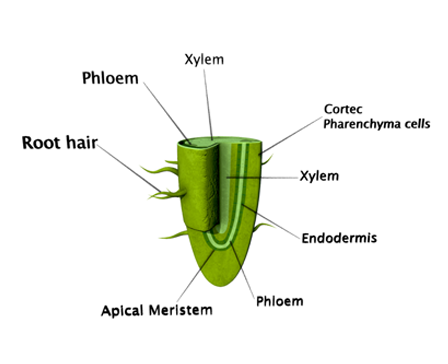
The root structure refers to the arrangement and organization of roots within a plant. Roots play a vital role in anchoring the plant in the soil, absorbing water and nutrients, and providing support for above-ground growth.

Ver en ARLOOPA
Types of Wetlands: Marsh, Swamp, Bog
rare

Types of Wetlands: Marsh, Swamp, Bog

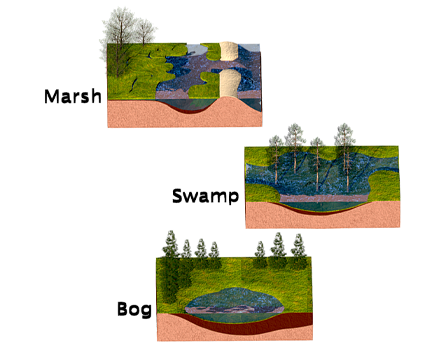
Swamps - have slow-moving water and reside near rivers or other moving bodies of water. Marsh - Also near a moving body of water, but tends to not have much water movement. Also forms a transition between bodies of water and dry land. Bogs - These have a hard sealed clay soil bottom that prevents water from seeping out. Water collects in bogs usually from rain and sticks around. The water here is often acidic, bad for most plants, mostly moss grows here.

Ver en ARLOOPA
Organelle Dynamics
rare

Organelle Dynamics

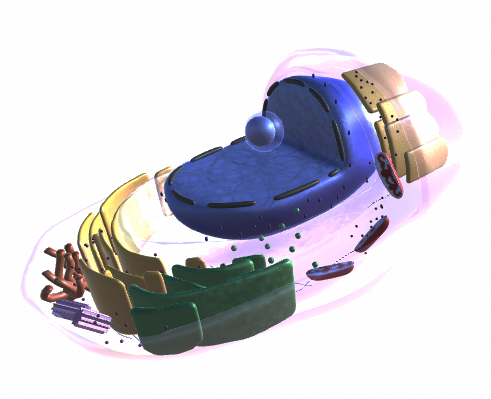
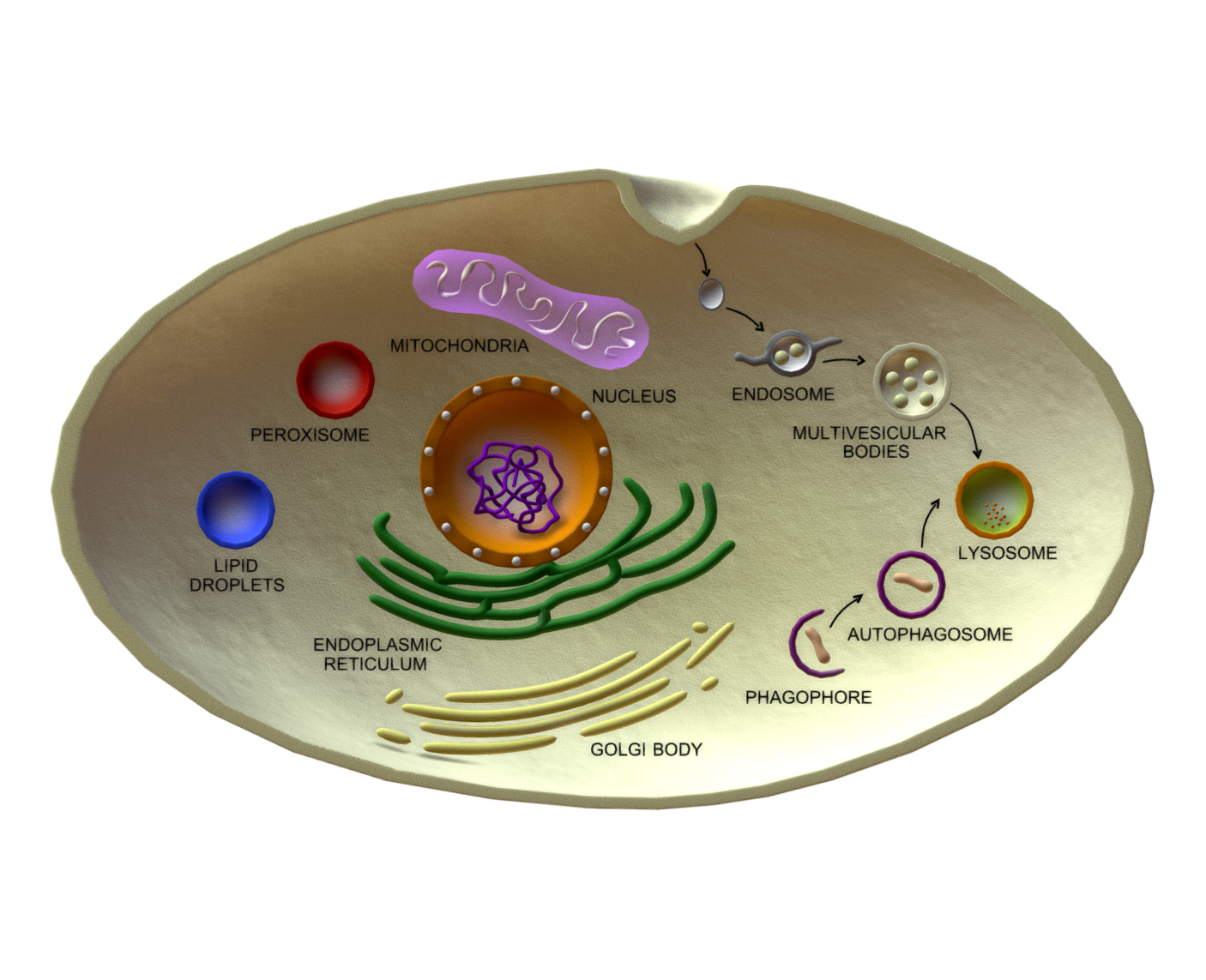
Organelle dynamics involve the continuous movement, rearrangement, and interactions of cellular organelles within a cell. This includes intracellular transport, organelle positioning, fusion and fission events, remodeling, and interactions between organelles. These dynamic processes are essential for cellular function and adaptability to changing conditions.

Ver en ARLOOPA
Organelle Interactions
common

Organelle Interactions

Organelle interactions refer to the dynamic communication and coordination between different cellular organelles within a cell. This includes the exchange of materials, signals, and molecules necessary for various cellular processes such as metabolism, protein synthesis, energy production, and cellular homeostasis.

Ver en ARLOOPA
Life cycle of a butterfly
epic

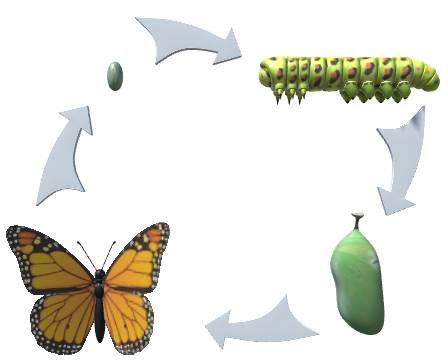
Life cycle of a butterfly

Butterflies and moths undergo a complete metamorphosis, which means there are four separate stages in the life cycle (egg, larva, pupa, and adult). Each stage looks completely different and serves a different purpose in the life of the insect.

Ver en ARLOOPA
Arrau Turtle Skeleton
rare

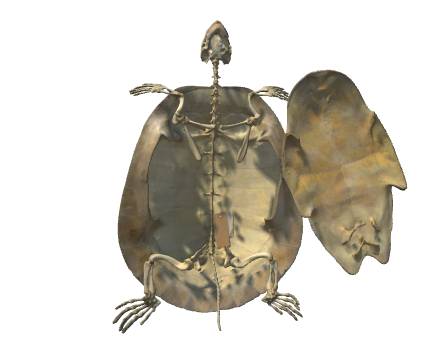
Arrau Turtle Skeleton

3D scan of a skeleton of an Arrau turtle (Podocnemis expansa). Arrau turtles live in the wetland areas of South America and are among the largest freshwater turtles in the world. The skeleton belongs to the Siebenrock collection of the museum. This skeleton cannot be found in the exhibition halls. Another Arrau turtle is Number 73 of the NHM Top 100 and can be found in Hall 28 of the NHM Vienna.

Ver en ARLOOPA
Giant Deer
rare

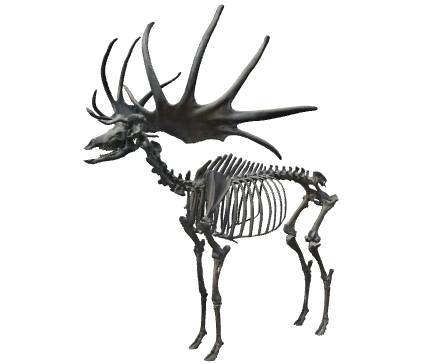
Giant Deer

3D scan of an original fossilized skeleton of a giant deer (Megaloceros giganteus) found in Ireland from the Late Pleistocene (ca. 12,000 years old). The males had a shoulder height of around 2.1 meters and their antlers are the largest known in any deer with a width up to 4 meters. The giant deer disappeared around 11,700 years ago in Europe, like many other animals from the Ice Age. The skeleton of the giant deer can be found in the Ice Age (Eiszeit) corridor of the NHM Vienna. Specimen: Giant deer or Irish elk, Megaloceros giganteus (Blumenbach, 1799) Inventory number: NHMW-Geo 1876/0030/0003 Collection: Natural History Museum Vienna, Geology & Paleontology Dept., Vertebrate Coll. (curator: Ursula Göhlich) Find out more about the NHMW here. Scanned and edited by Nikola Brodtmann, Anna Haider & Viola Winkler (NHMW) Scanner: Artec Leo. Infrastructure funded by the FFG.

Ver en ARLOOPA
Hoe Tusker
rare

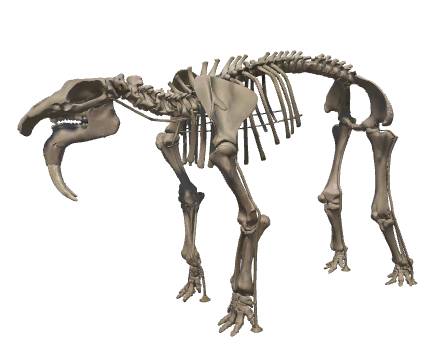
Hoe Tusker

3D scan of a skeleton of the extinct Deinotherium (translates to “terrible beast”) or hoe tusker, that came to the Natural History Museum Vienna in 1885. The bones of this prehistoric elephant were found in Franzensbad, Czech Republic and originates from the Middle Miocene. The Deinotherium is Number 25 of the NHM Top 100 and can be found in Hall 9 of the NHM Vienna. Specimen: Deinotherium or hoe tusker, Prodeinotherium bavaricum (Meyer 1831) Inventory number: NHMW-Geo 2000z0047/0000 Collection: Natural History Museum Vienna, Geology & Paleontology Dept., Vertebrate Coll. (curator: Ursula Göhlich) Find out more about the NHMW here. Scanned and edited by Nikola Brodtmann & Viola Winkler (NHM Wien) Scanner: Artec Leo. Infrastructure funded by the FFG.

Ver en ARLOOPA
Structure of wheat grain
rare

Structure of wheat grain

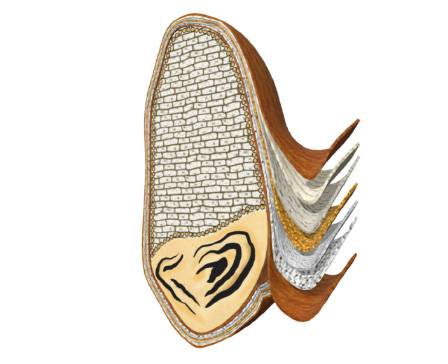
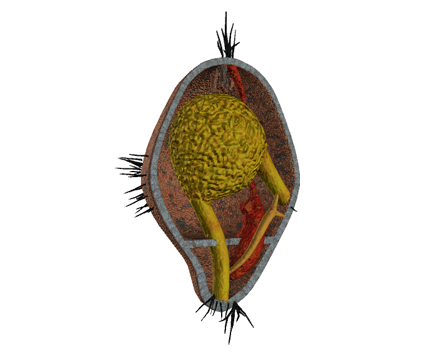
The 3D model of the structure of a wheat grain is a detailed representation of the internal and external components of this important cereal crop. The model displays the various layers of the grain, including the bran, endosperm, and germ, as well as the aleurone layer and pericarp. Each component is clearly labeled, providing a comprehensive understanding of the anatomy of a wheat grain. This model can be used for educational purposes, such as in biology or agriculture classes, and is a useful tool for anyone interested in the science of cereal crops.

Ver en ARLOOPA
Leaf Anatomy
rare

Leaf Anatomy

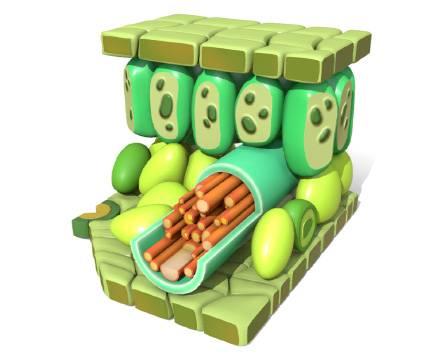
Тypically, a leaf consists of a broad expanded blade (the lamina), attached to the plant stem by a stalklike petiole. In angiosperms leaves commonly have a pair of structures known as stipules, which are located on each side of the leaf base and may resemble scales, spines, glands, or leaflike structures.

Ver en ARLOOPA
Chloroplast
rare

Chloroplast

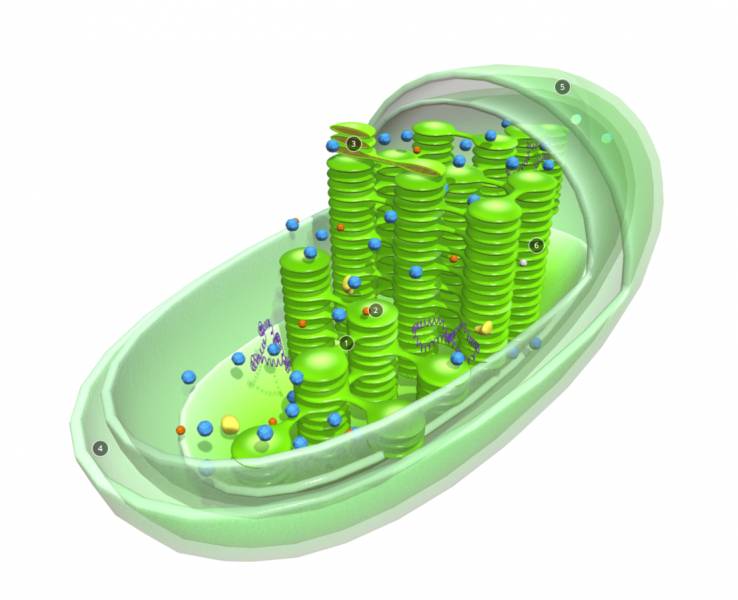
Chloroplasts are chlorophyll-containing organelles in plant cells; they play a vital role for life on Earth since photosynthesis takes place in chloroplasts. Chloroplasts develop from proplastids, as do chromoplasts, leucoplasts, and other plastids.

Ver en ARLOOPA
Acoelomates - Flatworms
rare

Acoelomates - Flatworms

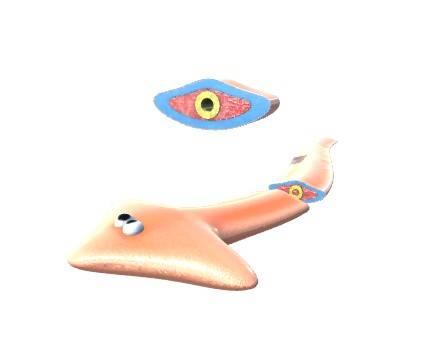
Flatworms are unsegmented, bilaterally symmetrical worms that lack a coelom (acoelomate) but that do have three germ layers. Some forms are free living but many are parasitic.

Ver en ARLOOPA
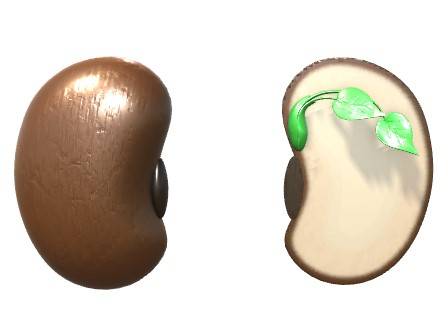
Anatomy of a seed
rare

Anatomy of a seed

The seed is the embryonic stage of the plant life cycle. Seeds have some basic parts in common. Every seed has a protective coat, some stored food, and an embryo that is the beginning of a new plant. Most seed embryos have a tiny root (radicle), a stem (plumule), and one or more leaf-like parts called cotyledons.

Ver en ARLOOPA
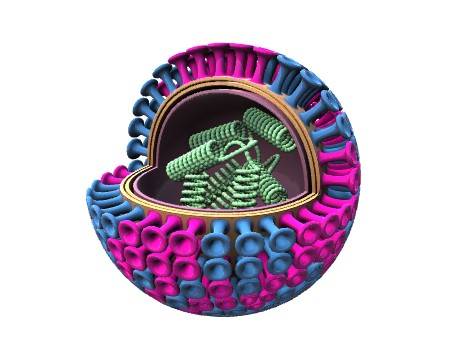
Influenza (Flu virus)
rare

Influenza (Flu virus)

Seasonal flu is caused by influenza viruses which circulate in all parts of the world. Who is most at risk of seasonal influenza? Learn about prevention, symptoms & more. Recommendation from WHO. Official WHO website. Advice for the public.

Ver en ARLOOPA
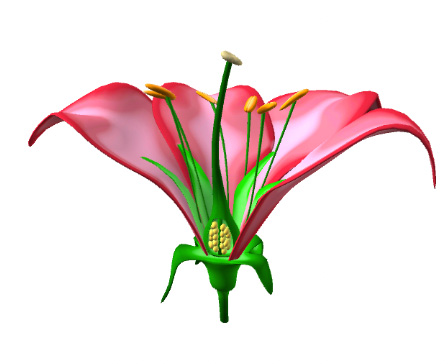
Anatomy of a Flower
epic

Anatomy of a Flower

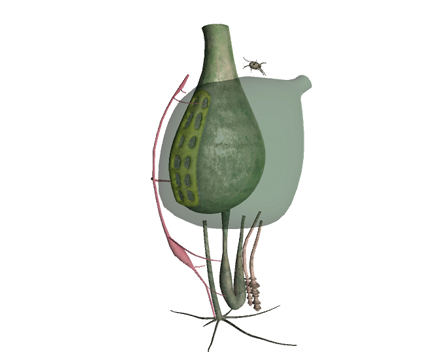
The morphology of a flower, or its form and structure, can be considered in two parts: the vegetative part, consisting of non-reproductive structures such as petals; and the reproductive or sexual parts. A stereotypical flower is made up of four kinds of structures attached to the tip of a short stalk or axis, called a receptacle. Each of these parts or floral organs is arranged in a spiral called a whorl. The four main whorls (starting from the base of the flower or lowest node and working upwards) are the calyx, corolla, androecium, and gynoecium. Together the calyx and corolla make up the non-reproductive part of the flower called the perianth, and in some cases may not be differentiated. If this is the case, then they are described as tepals.

Ver en ARLOOPA
Red Cushion Sea Star - Anatomy
rare

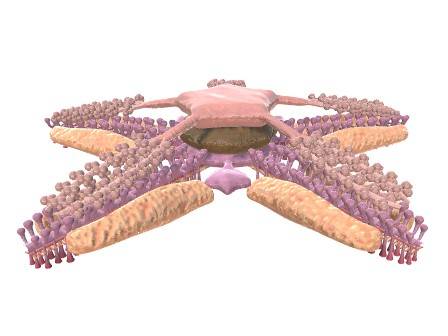
Red Cushion Sea Star - Anatomy

The red cushion star is the largest sea star found within its range, sometimes growing to about 50 centimetres (20 in) in diameter. It usually has five thick, broad arms projecting from a broad cushioned disc but some specimens have four, six or seven. The upper surface is hard and is covered with blunt spines.

Ver en ARLOOPA
Seed Germination
epic

Seed Germination

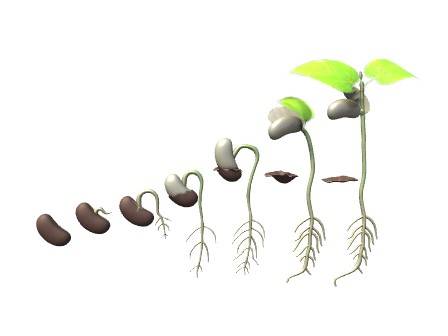
What is Seed Germination? Seed germination may be defined as the fundamental process by which different plant species grow from a single seed into a plant. This process influences both crop yield and quality. A common example of seed germination is the sprouting of a seedling from a seed of an angiosperm or gymnosperm.

Ver en ARLOOPA
Trocophore
rare

Trocophore

A trochophore is a type of a free-swimming ciliate larva occurring in several invertebrate groups (such as the polychaete worms and mollusks) By moving their cilia rapidly, they make a water eddy, to control their movement, and to bring their food closer, to capture it more easily.

Ver en ARLOOPA
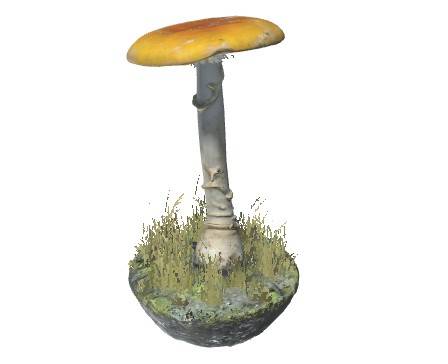
Mushroom
rare

Mushroom

The anatomy of every mushroom is different. Some mushrooms have gills, some have pores, others have teeth, some have a ring, and others a volva. These are a few components of the mushroom fruiting body.

Ver en ARLOOPA
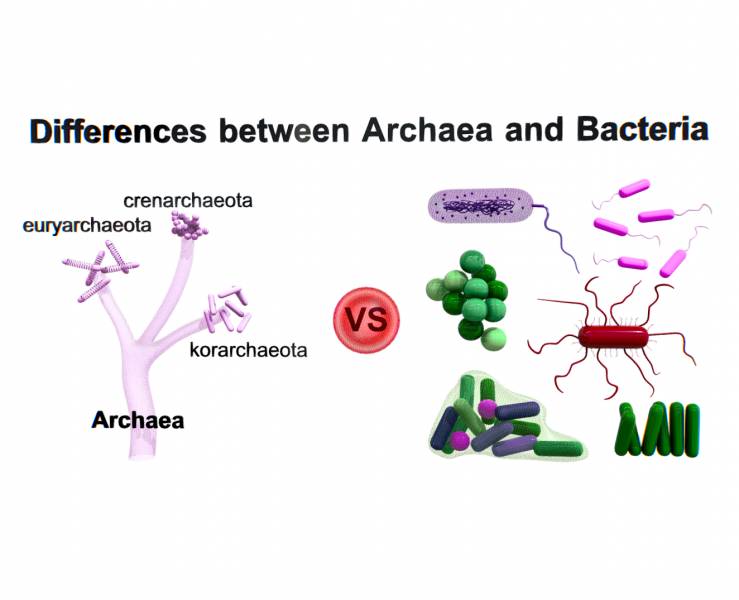
Differences Between Archaea and Bacteria
rare

Differences Between Archaea and Bacteria

Archaea and Bacteria are two kinds of microorganisms that fall under the category of prokaryotes. Earlier, archaea were classified as bacteria, but now it is outdated as it has been found that they both have different biochemistry and different evolutionary history. Archea is a domain of living organisms containing unicellular prokaryotic organisms. Cell wall in arechea is made up of Pseudopeptidoglycan, whereas in bacteria, it is made up of either Lipopolysaccharide or Peptidoglycan.

Ver en ARLOOPA
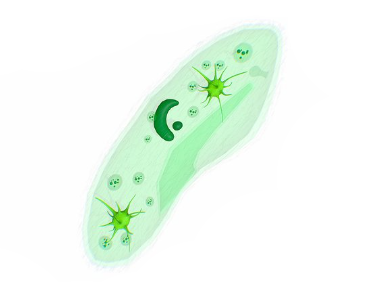
Paramecium
rare

Paramecium

Paramecium is a genus of unicellular ciliated protozoa. They are characterised by the presence of thousands of cilia covering their body. They are found in freshwater, marine and brackish water. They are also found attached to the surface. Reproduction is primarily through asexual means (binary fission).

Ver en ARLOOPA
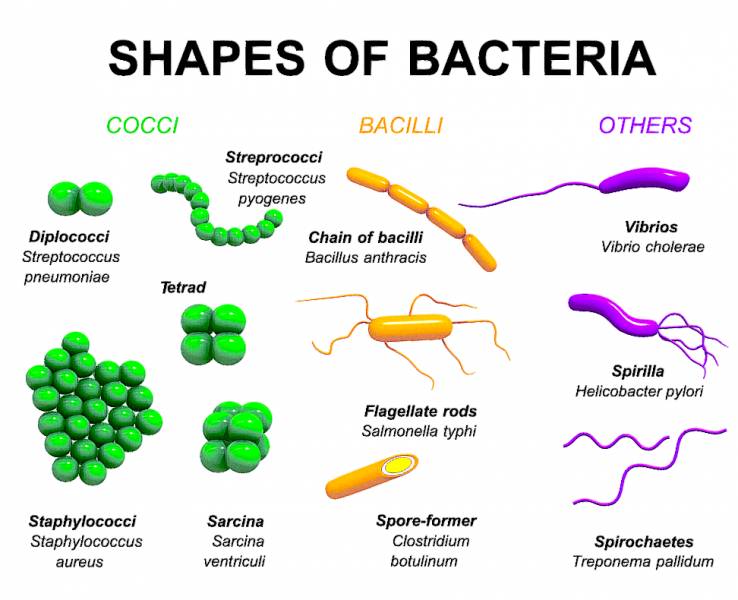
Shapes of bacteria
rare

Shapes of bacteria

The three basic shapes of bacteria are bacillus (rod-shaped), coccus (spherical-shaped), and spirillum (spiral-shaped). Preparation Prepare a chenille stem (formerly pipe cleaner) and a small bowl of play dough for each student. After instruction on the 3 cell shapes of bacteria, prepare play dough and a chenille stem for each student. Before the students begin, review the shapes by asking the students to recall the 3 shapes. Also, ask students how many cells a bacterium has. Remind them that all bacteria are one-celled organisms. Variations Different colors of play dough could be used if more visible to students with low vision.

Ver en ARLOOPA
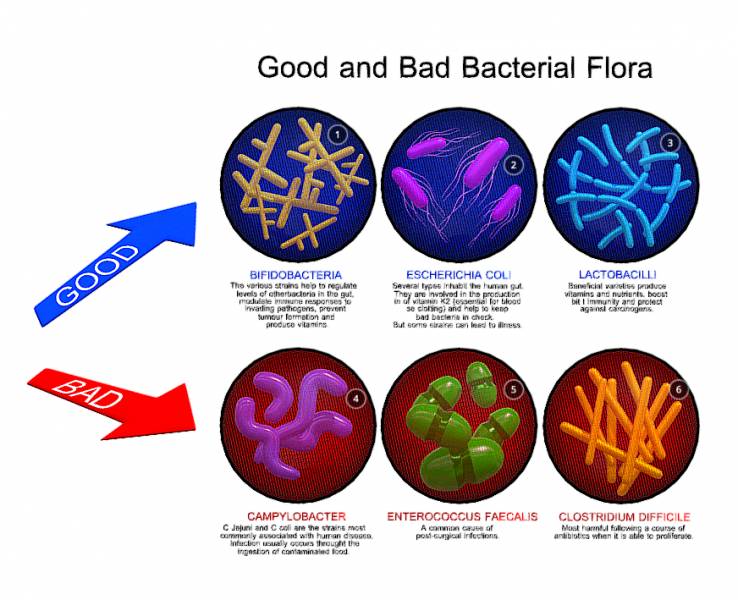
Good and bad bacterial flora
rare

Good and bad bacterial flora

Good bacteria have health maintenance and anti-aging effects such as aiding digestion and absorption, and stimulating immunity. Representative examples are bifidobacteria and lactic acid bacteria. In contrast, bad bacteria have adverse effects on the body.

Ver en ARLOOPA
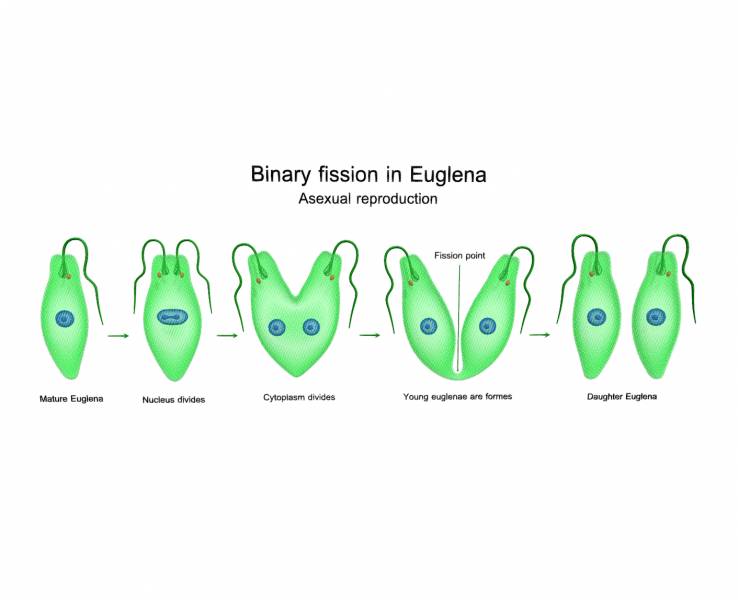
Binary fission in Euglena
common

Binary fission in Euglena

Euglena reproduces through asexual reproduction by the process of binary fission. In Euglena, binary fission is longitudinal, here division occurs along the longitudinal axis. Binary fission is a process of mitosis, where cell organelles are duplicated and two separate sets of daughter cells are formed.

Ver en ARLOOPA
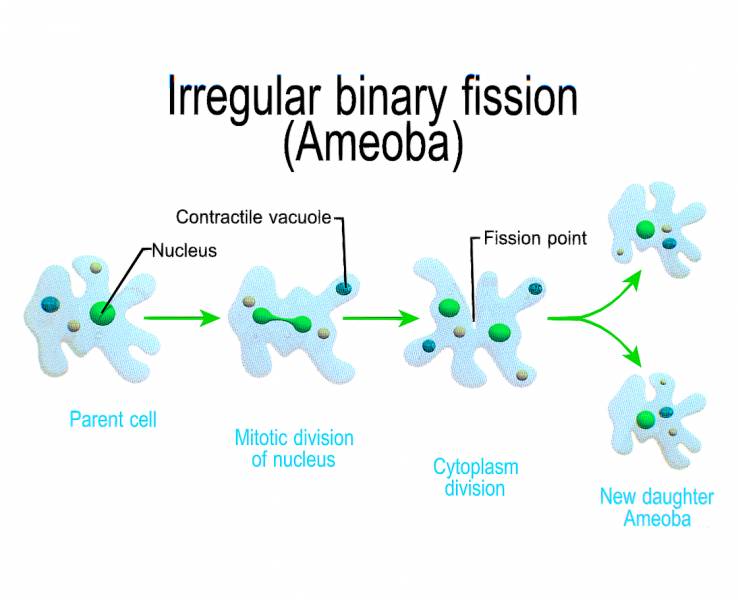
Irregular binary fission
common

Irregular binary fission

This is the type of binary fission in which cytokinesis (the division of the cytoplasm) occurs along a plane perpendicular to that of Karyokinesis. Here, the plane of cytokinesis is always perpendicular to plane on which Karyokinesis occurred.

Ver en ARLOOPA
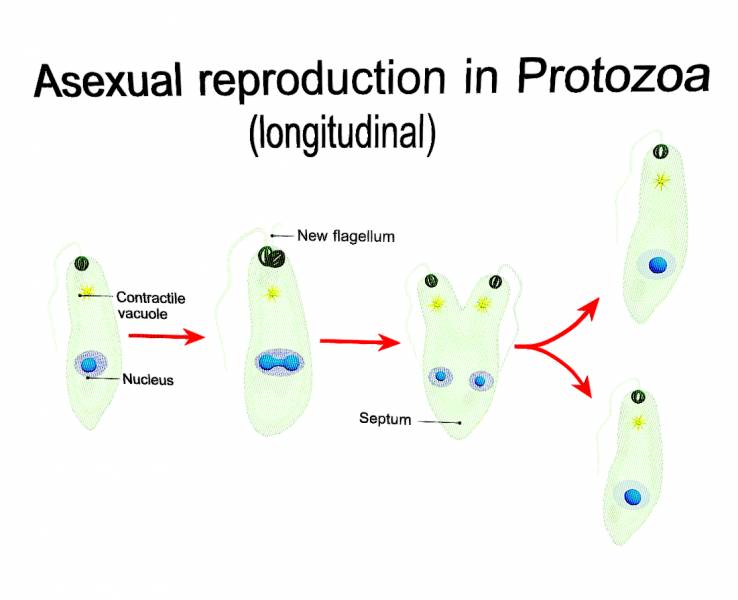
Asexual reproduction in Protozoa
common

Asexual reproduction in Protozoa

The most common form of reproduction in protozoa is asexual binary fission. In other words, a single organism will divide into two equal organisms. A slight modification of this binary fission, called budding, is when one of the newly formed cells is smaller than the other.

Ver en ARLOOPA
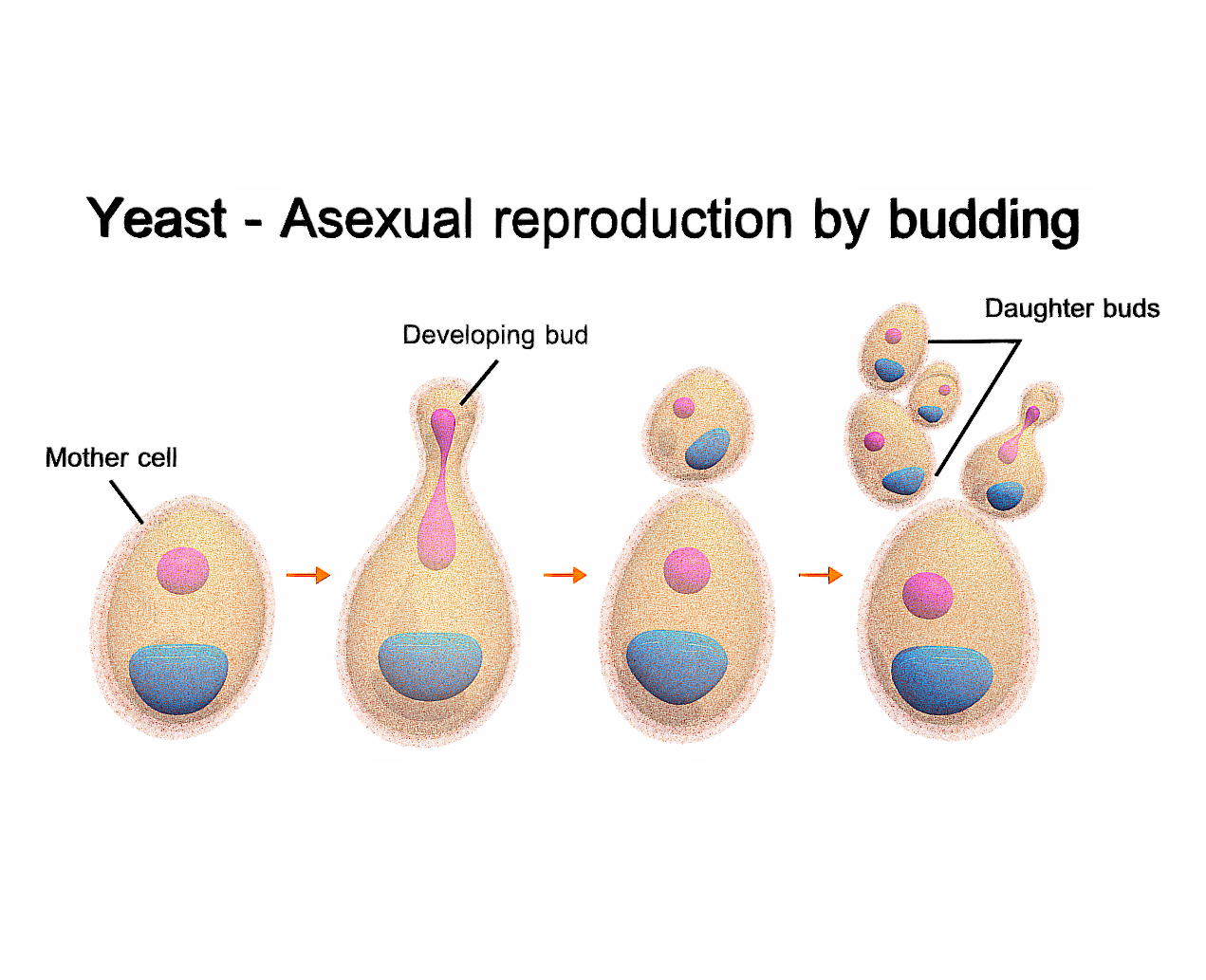
Yeast. Asexual reproduction by budding
rare

Yeast. Asexual reproduction by budding

Yeast usually asexually reproduce by a method called budding. A small knob or bud forms on the parent cell, grows, and finally separates to become a new yeast cell. This new yeast cell is genetically identical to the parent cell.

Ver en ARLOOPA
Mitochondria
rare

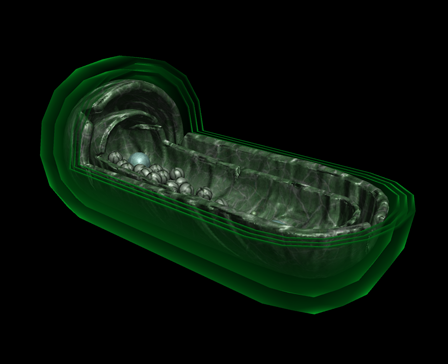
Mitochondria

A mitochondrion is an organelle found in the cells of most Eukaryotes, such as animals, plants and fungi. Mitochondria have a double membrane structure and use aerobic respiration to generate adenosine triphosphate, which is used throughout the cell as a source of chemical energy.

Ver en ARLOOPA
Fermentation
common

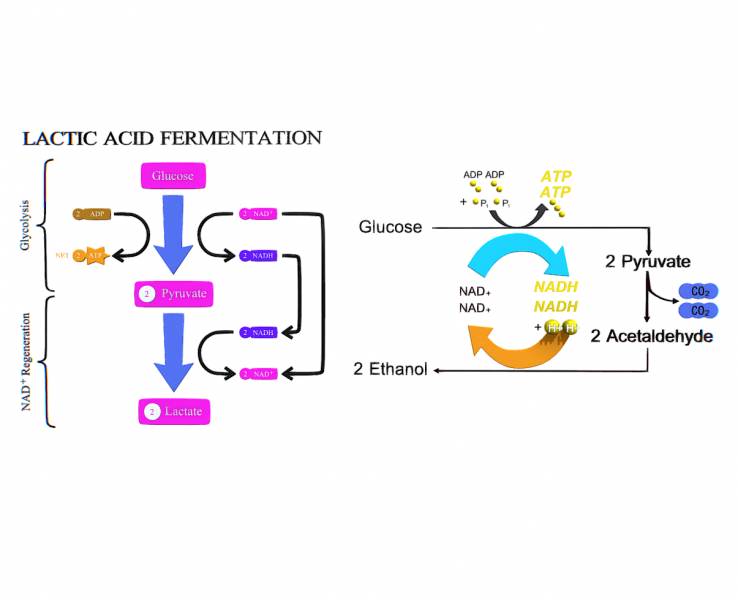
Fermentation

Fermentation is an enzyme catalysed, metabolic process whereby organisms convert starch or sugar to alcohol or an acid anaerobically releasing energy. The science of fermentation is called “zymology”

Ver en ARLOOPA
Central Dogma
rare

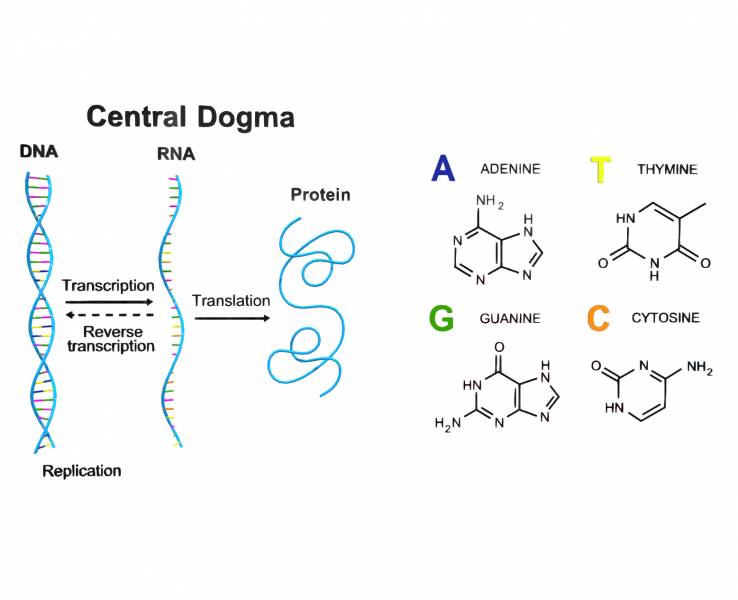
Central Dogma

Central dogma is the process in which the genetic information flows from DNA to RNA, to make a functional product protein.

Ver en ARLOOPA
Cyanobacteria
rare

Cyanobacteria

Cyanobacteria are aquatic and photosynthetic, that is, they live in the water, and can manufacture their own food. Because they are bacteria, they are quite small and usually unicellular, though they often grow in colonies large enough to see. They have the distinction of being the oldest known fossils, more than 3.5 billion years old, in fact! It may surprise you then to know that the cyanobacteria are still around; they are one of the largest and most important groups of bacteria on earth.

Ver en ARLOOPA
Mitosis stages. cell division
common

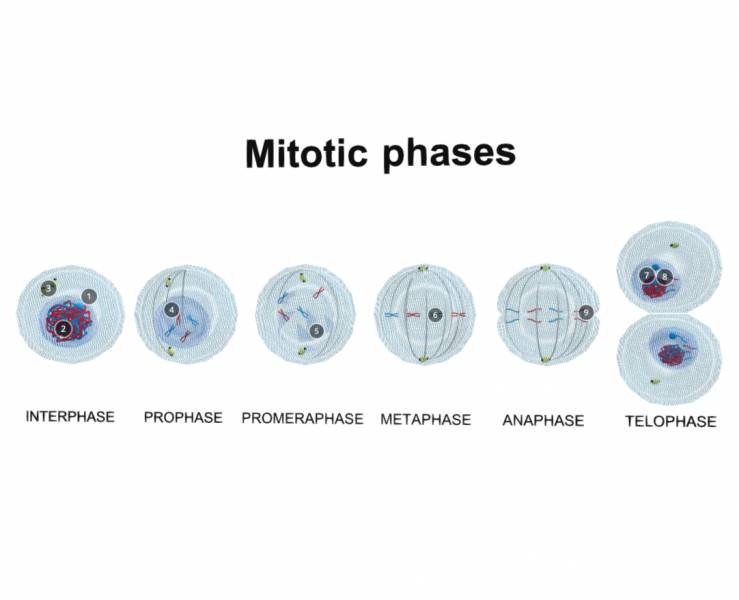
Mitosis stages. cell division

Mitosis is a process where a single cell divides into two identical daughter cells (cell division). During mitosis, one cell divides once to form two identical cells. The major purpose of mitosis is for growth and to replace worn-out cells. If not corrected in time, mistakes made during mitosis can result in changes in the DNA that can potentially lead to genetic disorders.

Ver en ARLOOPA
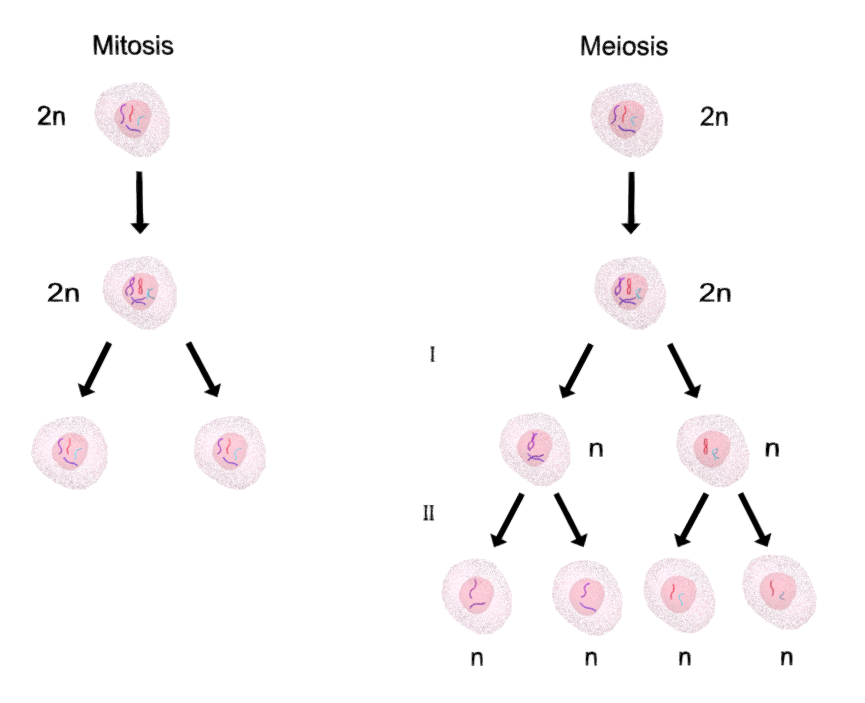
Mitosis versus meiosis
rare

Mitosis versus meiosis

Cells divide and reproduce in two ways, mitosis and meiosis. Mitosis results in two identical daughter cells, whereas meiosis results in four sex cells.

Ver en ARLOOPA
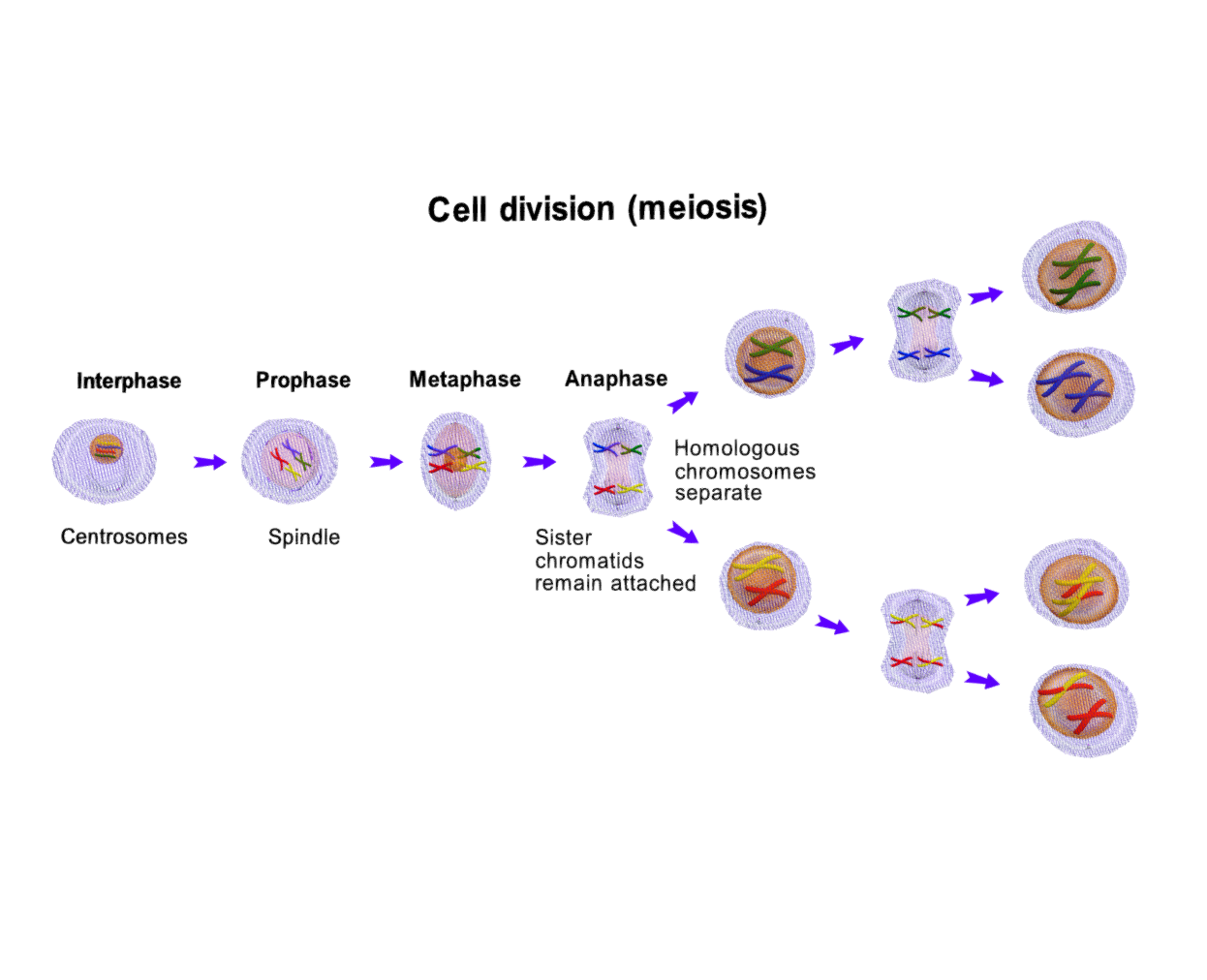
Meiosis Cell division Vector diagram
rare

Meiosis Cell division Vector diagram

Meiosis is a process where a single cell divides twice to produce four cells containing half the original amount of genetic information. These cells are our sex cells – sperm in males, eggs in females. During meiosis, one cell divides twice to form four daughter cells. These four daughter cells only have half the number of chromosomes of the parent cell – they are haploid.

Ver en ARLOOPA
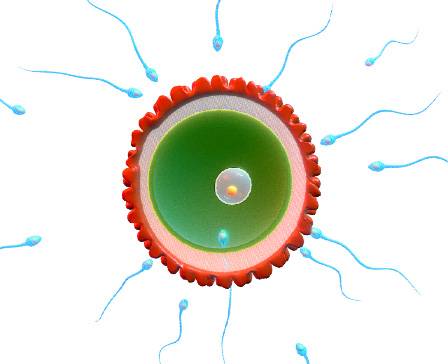
Egg and Sperm Fertilization
rare

Egg and Sperm Fertilization

During fertilization, the sperm and egg unite in one of the fallopian tubes to form a zygote. Then the zygote travels down the fallopian tube, where it becomes a morula. Once it reaches the uterus, the morula becomes a blastocyst. The blastocyst then burrows into the uterine lining — a process called implantation.

Ver en ARLOOPA
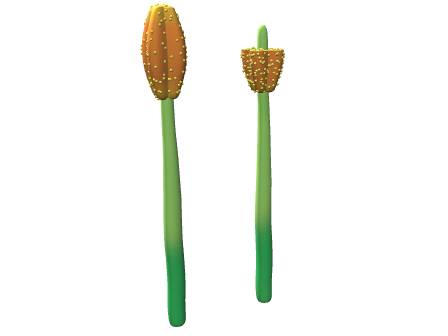
Stamen
rare

Stamen

The stamen of a flower is the male reproductive part of a flowering plant (also known as an angiosperm). Angiosperms need a male and female cell in order to produce a fruit or seed. Through a process of cellular division, stamen create a granular substance called pollen and display it on its outermost region or the anther. The pollen grains house the male gamete. From the anther, wind or pollinators, like birds, bees, bats, butterflies and insects, can carry pollen to the female reproductive part of a plant, or the pistil. When pollen reaches the outermost region of the female reproductive part, the stigma, it goes through a process of bringing it inside and down to the flower's ovules to produce seeds. Stamen are vital in seed propagation and the life cycle of angiosperms.

Ver en ARLOOPA
Trochophore
rare

Trochophore

A trochophore is a type of a free-swimming ciliate larva occurring in several invertebrate groups (such as the polychaete worms and mollusks) By moving their cilia rapidly, they make a water eddy, to control their movement, and to bring their food closer, to capture it more easily.

Ver en ARLOOPA
Ascidian
rare

Ascidian

Ascidians or sea squirts, are the largest and most diverse class of the sub-phylum Tunicata (also known as Urochordata). They comprise approximately 3000 described species found in all marine habitats from shallow water to the deep sea.

Ver en ARLOOPA
Pseudocoelomates - Nematodes
rare

Pseudocoelomates - Nematodes

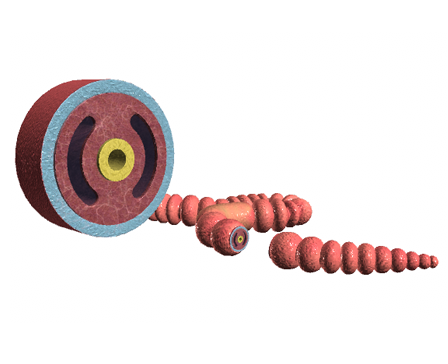
Pseudocoelomate animals have a pseudocoel, (literally “false cavity”) which is a fully functional body cavity. Tissue derived from mesoderm only partly lines the fluid filled body cavity of these animals. Thus, although organs are held in place loosely, they are not as well organized as in a coelomate. All pseudocoelomates are protostomes; however, not all protostomes are pseudocoelomates.

Ver en ARLOOPA
Coelomates - Annelids
rare

Coelomates - Annelids

Coelomates (also known as eucoelomates--"true coelom") have a fluid filled body cavity called a coelom with a complete lining called peritoneum derived from mesoderm (one of the three primary tissue layers). The complete mesoderm lining allows organs to be attached to each other so that they can be suspended in a particular order while still being able to move freely within the cavity. Most bilateral animals, including all the vertebrates, are coelomates.

Ver en ARLOOPA
Euglena
rare

Euglena

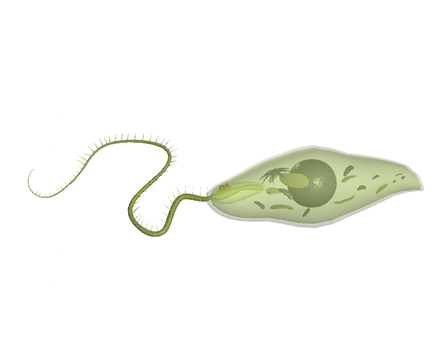
Euglena is a type of euglenoid. Euglenoids are unicellular microorganisms, that have a flexible body. They possess the characteristic features of plants and animals. Euglena has plastids and performs photosynthesis in light, but moves around in search of food using its flagellum at night.

Ver en ARLOOPA
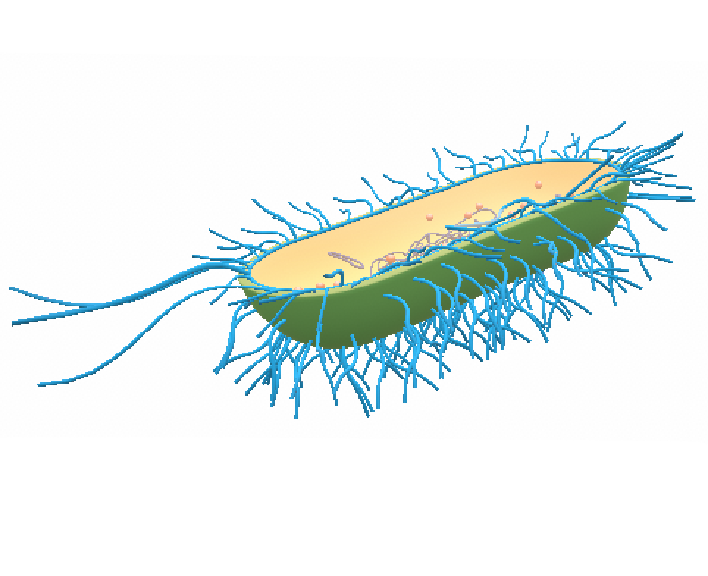
Prokaryote
epic

Prokaryote

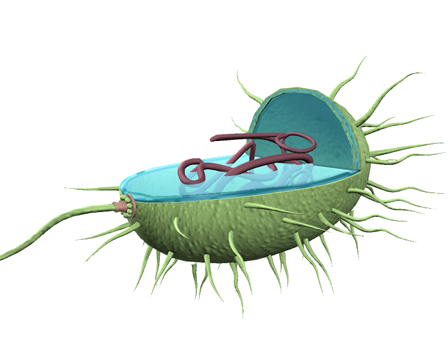
Prokaryotes are organisms whose cells lack a nucleus and other organelles. Prokaryotes are divided into two distinct groups: the bacteria and the archaea, which scientists believe have unique evolutionary lineages. Most prokaryotes are small, single-celled organisms that have a relatively simple structure.

Ver en ARLOOPA
Photosynthesis Leaf
rare

Photosynthesis Leaf

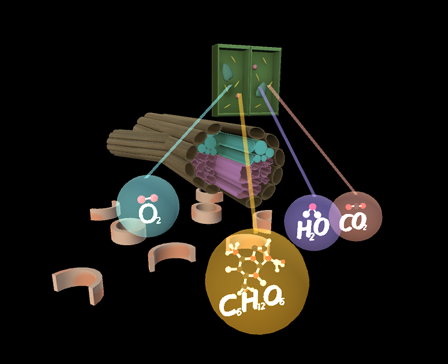
The main function of a leaf is to produce food for the plant by photosynthesis. Chlorophyll, the substance that gives plants their characteristic green colour, absorbs light energy.

Ver en ARLOOPA
Photosynthesis Tree
rare

Photosynthesis Tree

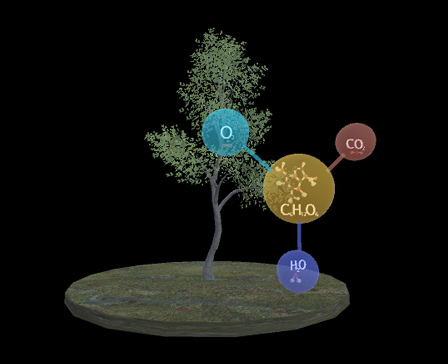
Photosynthesis is the process by which green plants and certain other organisms transform light energy into chemical energy. During photosynthesis in green plants, light energy is captured and used to convert water, carbon dioxide, and minerals into oxygen and energy-rich organic compounds.

Ver en ARLOOPA
Bird Egg Anatomy
epic

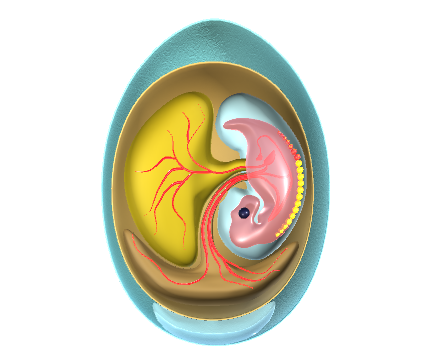
Bird Egg Anatomy

A bird's egg is a complex structure that houses the growing embryo and contains all the nutrition that is needed before the chick is ready to hatch. Each component of the egg performs specific functions in the development of the embryo. The embryo is the immature developing chick. The amnion is a membrane that initially covers the embryo and eventually fills with amniotic fluid, provides the embryo with protection against shock from movement. The allantois helps the embryo obtain oxygen and handles metabolic waste. The chorion, together with the amnion, forms the amniotic sac and encloses the amnion, vitellus, and the embryo. The vitellus, or yolk, is the nutrient-bearing portion of the egg, containing most of its fat, minerals, and many of its proteins and blood vessels. The air cell usually rests between the outer and inner membranes at the egg's larger end.

Ver en ARLOOPA
Horse Hoof Anatomy by Hong Nguyen
rare

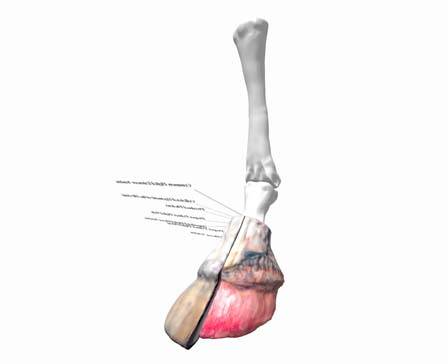
Horse Hoof Anatomy by Hong Nguyen

The exterior layer of a horse's hoof is made of keratin—just like our fingernails and a rhino's horn. Within it, the hoof contains a structural base made up of bones, tendons and ligaments that facilitate equine locomotion.

Hong Nguyen

Ver en ARLOOPA

ARLOOPA Studio

Crea tu propia experiencia AR
Usa ARLOOPA Studio para crear y publicar una experiencia similar para tu campaña, espacio, producto o audiencia.

ARLOOPA Inc. 2026