Explore by category

Microscopic Collection AR Experiences

Browse public AR experiences in Microscopic Collection and open the ones that look interesting to you.

Subcategories

0

Experiences

13

Experiences

Open any experience that looks interesting and see how this section is used in practice.

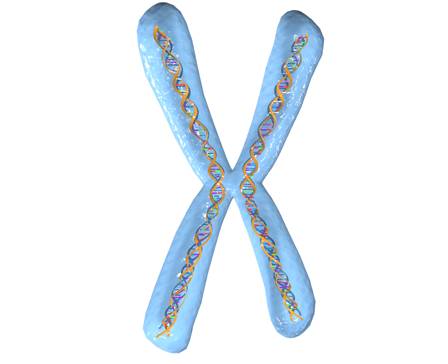
Chromosome
epic

Chromosome

A chromosome is a long DNA molecule with part or all of the genetic material of an organism. Most eukaryotic chromosomes include packaging proteins called histones which, aided by chaperone proteins, bind to and condense the DNA molecule to maintain its integrity. These chromosomes display a complex three-dimensional structure, which plays a significant role in transcriptional regulation.

View on ARLOOPA
Structure of Centrosome
rare

Structure of Centrosome

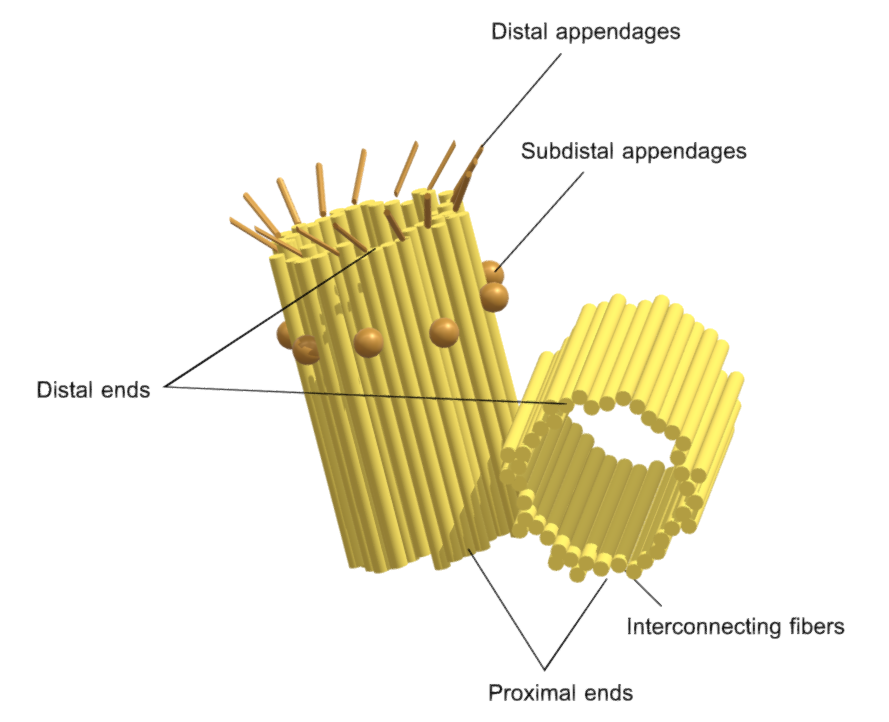
The centrosome is a cellular structure that serves as the main microtubule-organizing center in animal cells. It consists of two centrioles arranged perpendicular to each other, surrounded by a protein-rich matrix called the pericentriolar material (PCM). The centrosome plays a crucial role in cell division by helping to organize the mitotic spindle and ensuring proper chromosome segregation.

View on ARLOOPA
Bacteria and fungal yeast
rare

Bacteria and fungal yeast

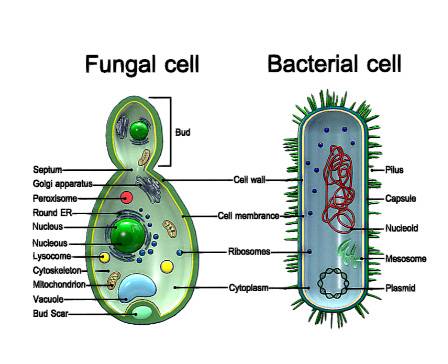
Yeasts, unlike bacteria, are eukaryotic. As a result, they cannot be classified as bacteria and instead belong to the fungi group. Yeast is a fungus that grows as a single cell, not as a mushroom. Despite the fact that each yeast organism is made up of only one cell, yeast cells coexist in multicellular colonies.

View on ARLOOPA
Plant cells
rare

Plant cells

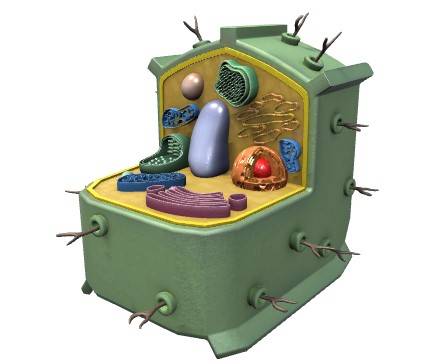
Plant cells have certain distinguishing features, including chloroplasts, cell walls, and intracellular vacuoles. Photosynthesis takes place in chloroplasts; cell walls allow plants to have strong, upright structures; and vacuoles help regulate how cells handle water and storage of other molecules.

View on ARLOOPA
Virus
legendary

Virus

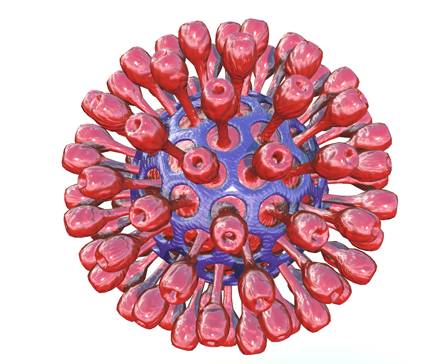
A virus is a submicroscopic infectious agent that replicates only inside the living cells of an organism. Viruses infect all types of life forms, from animals and plants to microorganisms, including bacteria and archaea. Since Dmitri Ivanovsky's 1892 article describing a non-bacterial pathogen infecting tobacco plants and the discovery of the tobacco mosaic virus by Martinus Beijerinck in 1898, more than 9,000 virus species have been described in detail of the millions of types of viruses in the environment. Viruses are found in almost every ecosystem on Earth and are the most numerous type of biological entities. The study of viruses is known as virology, a sub-specialty of microbiology.

View on ARLOOPA
Salmonella
epic

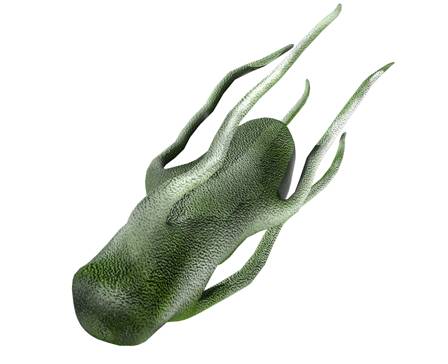
Salmonella

Salmonella infection (salmonellosis) is a common bacterial disease that affects the intestinal tract. Salmonella bacteria typically live in animal and human intestines and are shed through feces. Humans become infected most frequently through contaminated water or food. Typically, people with salmonella infection have no symptoms. Others develop diarrhea, fever, and abdominal cramps within eight to 72 hours. Most healthy people recover within a few days without specific treatment. In some cases, diarrhea associated with a salmonella infection can be so dehydrating as to require prompt medical attention. Life-threatening complications also may develop if the infection spreads beyond your intestines. Your risk of acquiring salmonella infection is higher if you travel to countries with poor sanitation.

View on ARLOOPA
Erythrocytes
epic

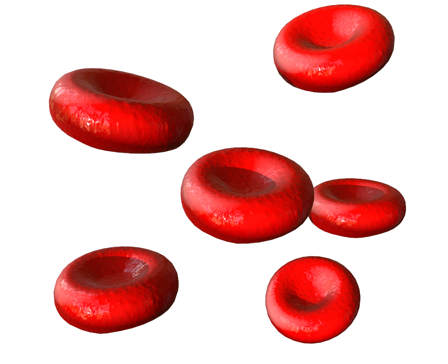
Erythrocytes

Erythrocyte: A cell that contains hemoglobin and can carry oxygen to the body. Also called a red blood cell (RBC). Erythrocytes are biconcave in shape, which increases the cell's surface area and facilitates the diffusion of oxygen and carbon dioxide. The main physiological role of red blood cells (RBCs), or erythrocytes, is to transport gases (O2, CO2) from the lung to the tissues and maintain systemic acid/base equilibria. In addition, RBCs are well equipped with antioxidant systems, which essentially contribute to their function and integrity.

View on ARLOOPA
Bacteria
epic

Bacteria

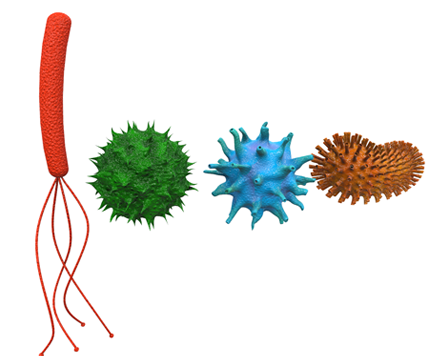
Bacteria are microscopic, single-celled organisms that thrive in diverse environments. These organisms can live in soil, the ocean, and inside the human gut. Humans' relationship with bacteria is complex. Sometimes bacteria lend us a helping hand, such as by curdling milk into yogurt or helping with our digestion. Bacteria (singular: bacterium) are classified as prokaryotes, which are single-celled organisms with a simple internal structure that lacks a nucleus, and contains DNA that either floats freely in a twisted, thread-like mass called the nucleoid, or in separate, circular pieces called plasmids. Ribosomes are the spherical units in the bacterial cell where proteins are assembled from individual amino acids using the information encoded in ribosomal RNA.

View on ARLOOPA
Bacteriophage Virus
epic

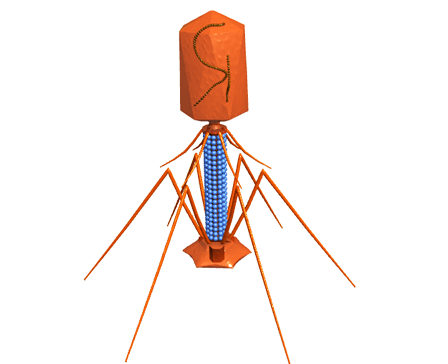
Bacteriophage Virus

A bacteriophage is a type of virus that infects bacteria. In fact, the word "bacteriophage" literally means "bacteria eater," because bacteriophages destroy their host cells. All bacteriophages are composed of a nucleic acid molecule that is surrounded by a protein structure. Bacteriophage structures are diverse, but the vast majority of characterized phages share some common characteristics. Many phages have an icosahedral, head structure made of repeat protein subunits known as the capsid. The primary difference in phage is the presence or absence of a 'tail' structure.

View on ARLOOPA
Human Egg Cell (Ovum)
rare

Human Egg Cell (Ovum)

Human Egg: An egg, or ovum, is the female reproductive cell. An individual ovum is visible to the naked eye and one of the largest single cells in the body. Ova are released during ovulation, occurring around the mid-point of a woman's menstrual cycle. The ovum itself has a central nucleus that contains the female's genetic material; this, with the genetic material in the sperm cell, determines the inherited characteristics of the child. Surrounding the nucleus is a cell plasma or yolk containing nutritional elements essential to the developing egg cell. The main function of the ovum is to carry the set of chromosomes contributed by the female gamete. It creates the right environment to occur fertilization with the help of sperm. And it also provides nutrients to the growing embryo until it sinks into the uterus and further, the placenta takes over.

View on ARLOOPA
Neuron Cell
epic

Neuron Cell

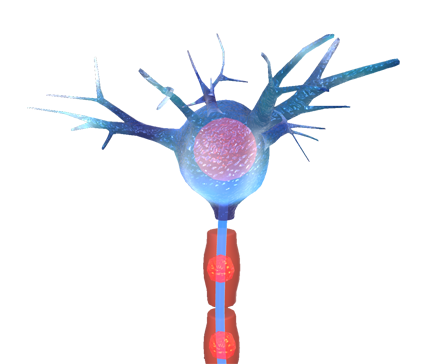
Animated model (double-tap to activate animation) Neurons (also called neurons or nerve cells) are the fundamental units of the brain and nervous system, the cells responsible for receiving sensory input from the external world, sending motor commands to our muscles, and transforming and relaying the electrical signals at every step in between. Neurons have three distinct parts, including a cell body, axon, and dendrites. These parts help them to send and receive chemical and electrical signals.

View on ARLOOPA
Human Sperm Cell
epic

Human Sperm Cell

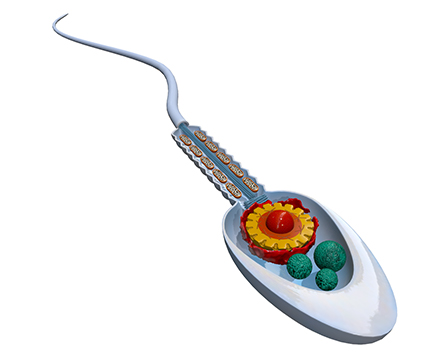
Sperm are the male reproductive cells. In all cases, the sperm meets with the egg of the female and grows into a new organism. The name sperm is taken from the Greek word Sperma meaning seed. An animal sperm cell is capable of movement, as it has to get to the uterus to meet with the ovum. Sperm usually consist of two morphologically and functionally distinct regions enclosed by a single plasma membrane: the tail, which propels the sperm to the egg and helps it to burrow through the egg coat, and the head, which contains a condensed haploid nucleus.

View on ARLOOPA
Human Cell
epic

Human Cell

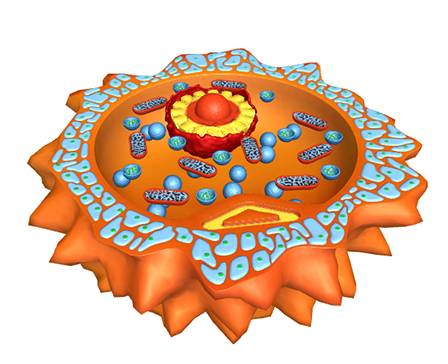
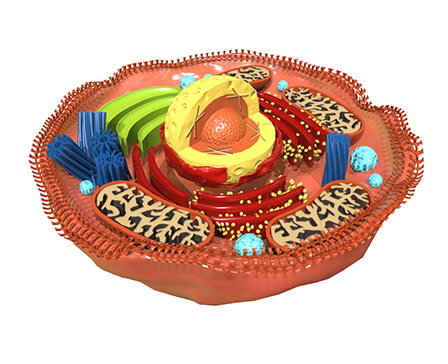
The cell is a basic structural and functional unit of any living thing. Each cell is a small container of chemicals and water wrapped in a membrane. There are 100 trillion cells in a human, and each contains all of the genetic information necessary to manufacture a human being. A cell consists of three parts: the cell membrane, the nucleus, and, between the two, the cytoplasm. ... Within the cytoplasm lie intricate arrangements of fine fibers and hundreds or even thousands of minuscule but distinct structures called organelles.

View on ARLOOPA

ARLOOPA Studio

Create your own AR experience

Use ARLOOPA Studio to build and publish a similar experience for your campaign, venue, product, or audience.


ARLOOPA Inc. 2026